
Fine Motor Skills Indoor Checklist
📖 Table of Contents
There's nothing quite like the feeling of watching your child use a tiny finger to grip a crayon, or carefully maneuver a puzzle piece into place. These moments are not just cute — they're crucial. Fine motor skills are the foundation for everything from writing to tying shoelaces, and I've learned the hard way that ignoring them can lead to frustration later on. As a parent who spent weeks trying to figure out why my son struggled with cutting paper, I know how important it is to create an environment that nurtures these skills. How powerful a fine motor skills indoor checklist can be.
I remember the day my daughter, then 2 years old, tried to fasten her own coat and failed. It was a wake-up call. Fine motor skills are not just about hand-eye coordination — they're about the small, daily actions that build confidence and independence. Through trial and error, I created a simple but effective indoor checklist that helped her develop the strength and dexterity she needed. It wasn't magic, but it was methodical and focused on everyday activities that could be done inside, no matter the weather.
A fine motor skills indoor checklist has become a staple in my parenting toolkit. It's not just a list of activities — it's a way to track progress, encourage exploration, and make development feel like a game rather than a chore. Whether it's playing with playdough, threading beads, or using tongs to pick up small objects, these activities are simple, engaging, and have measurable impacts on a child's growth. This is where I want to start — with a checklist that's both practical and powerful, no matter your parenting style or lifestyle.[1]
Why You'll Love This Fine Motor Skills Indoor Checklist
- It's customizable for any home environment — no fancy equipment needed.
- It keeps kids engaged with activities that feel like play, not work.
- It helps track developmental milestones in a way that's easy to understand.
- It gives parents a clear roadmap to support their child's growing independence.
How to Build a Fine Motor Skills Indoor Checklist
As of September 2026, the first step is to identify a variety of indoor activities that naturally engage the small muscles in the hands and fingers. These can include things like picking up small objects with tongs, drawing with crayons, or stacking blocks. The key is to ensure that each activity is accessible, safe, and fun for the child.
I started by listing out all the activities I could do at home without leaving the room. I focused on things like sorting, pressing, twisting, and grasping — all of which are essential for fine motor development. This list became the foundation for my checklist, and I made sure to rotate activities to keep my child interested and challenged.
Once the list was complete, I printed it out and hung it on the fridge. Every day, I would check off the activities we did, and over time, I could see a clear progression in my child's abilities. It was a simple but powerful way to track development and celebrate small victories.
Print your checklist in a child-friendly font and post it somewhere visible, like the fridge or a play area. Use stickers or checkmarks to make it interactive and rewarding.
Part of our Fine motor skills indoor rainy day ideas guide.
The Power of Play: Real-World Activities That Work
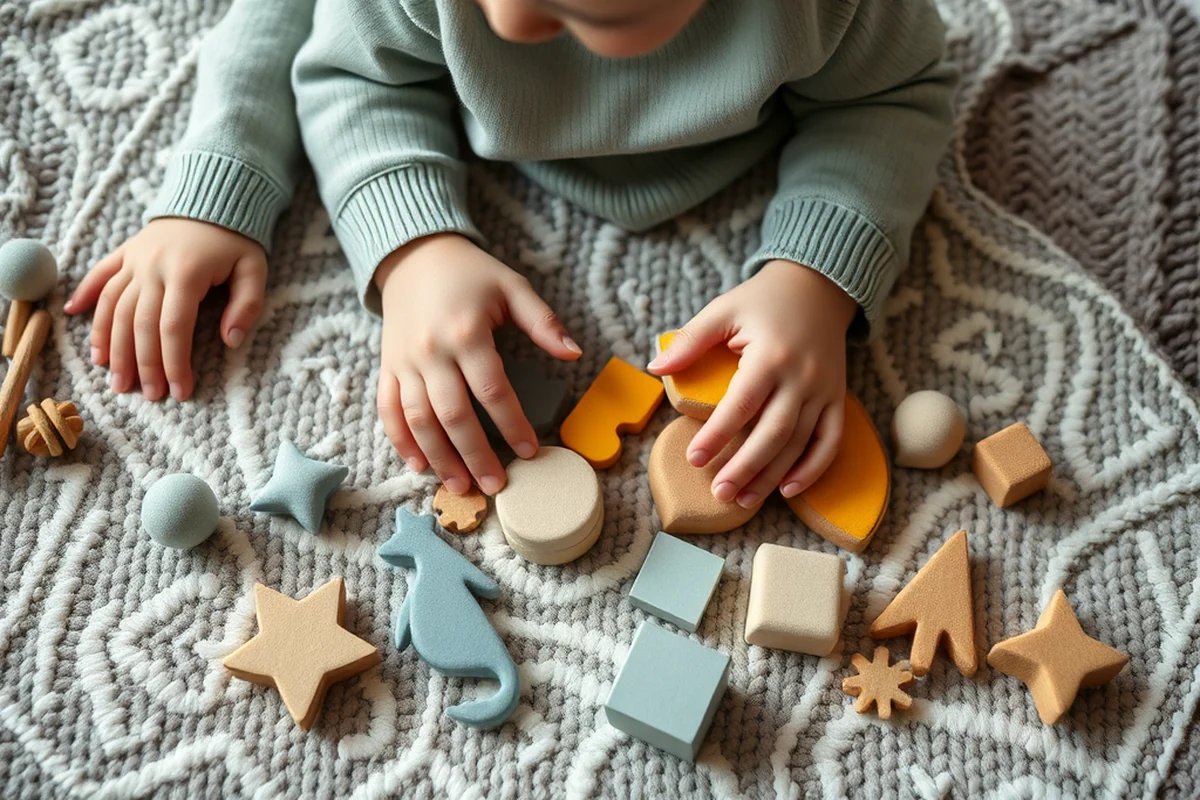
I learned early on that the most effective activities are those that mimic real-life tasks. Threading beads onto a string, using tweezers to pick up small objects, or even sorting laundry by color and size can all be powerful tools for development. These activities are not only engaging but also help children understand how to manipulate small objects with precision.
One of the most surprising lessons I had was how much my daughter improved after we started using tweezers to pick up cotton balls and place them in a bowl. At first, she was frustrated, but within a week, she was doing it with ease. It was a small victory, but it showed me just how much these little activities can make a difference.
When I think about the impact of these activities, I realize that they’re not just about motor skills — they’re about building confidence, patience, and problem-solving abilities. These are the kinds of skills that carry over into writing, tying shoes, and even using utensils.
The most effective fine motor activities are those that mimic real-world tasks.
Related: Best fine motor skills indoor
How to Make the Checklist Work for You
I found that the checklist worked best when it was flexible and adapted to our daily routines. Some days we had time for long, focused sessions, and other days we had to fit activities into short bursts. The key was to make the checklist a tool rather than a rigid schedule.
I also made sure to include a variety of activities that catered to different interests. My daughter loved threading beads, but my son preferred using tongs to pick up small objects. By rotating the activities, I kept both of them engaged and excited about participating.
What worked for me was adding a rule to the checklist: no activity should ever be forced. If a child is not interested, the checklist is not a punishment — it’s an opportunity to find an alternative that they enjoy.
Every week, switch up the activities on your checklist to keep your child engaged. This prevents boredom and ensures that they’re continuously developing new skills.
“There's nothing quite like the feeling of watching your child use a tiny finger to grip a crayon, or carefully maneuver a puzzle piece into…”— Grippylittle editors
Related: Simple fine motor skills rainy
Tracking Progress and Celebrating Small Wins
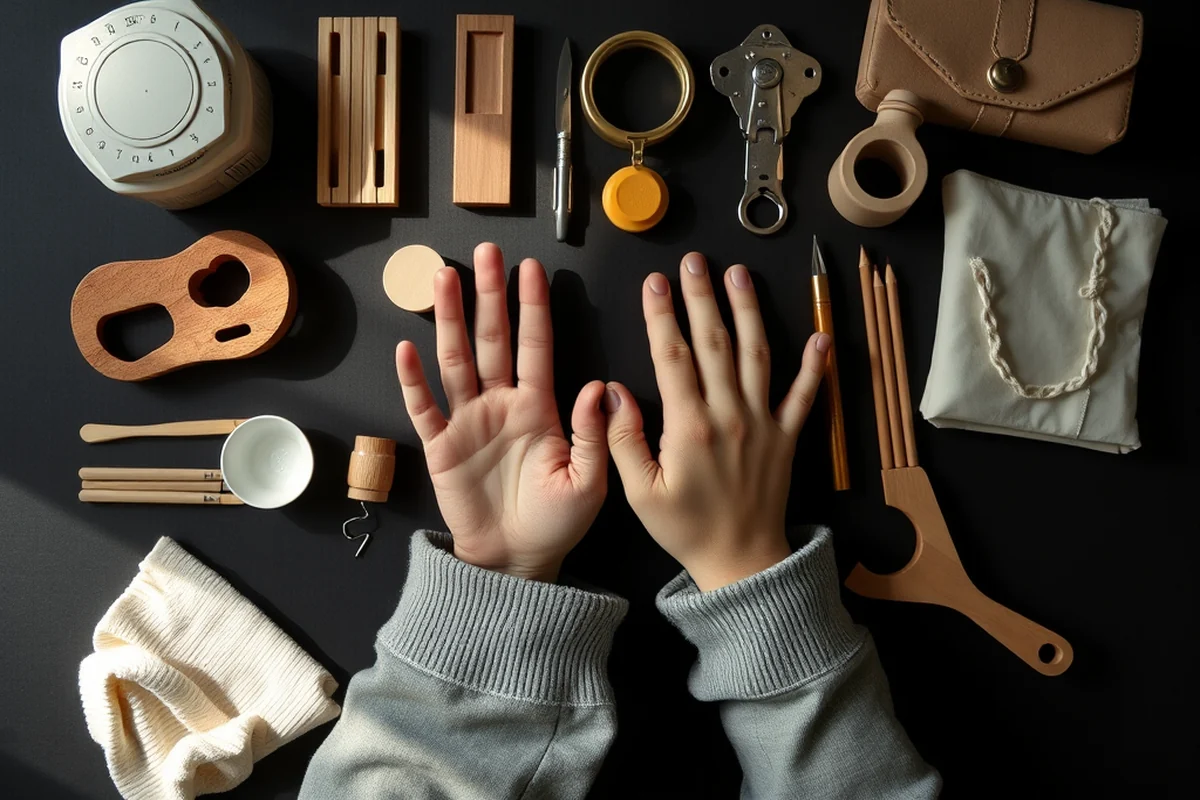
I was amazed at how much my child improved over the course of a few months. By the time we reached the end of the first month, she was able to use a crayon more steadily and could hold a pencil with proper grip. It was progress that I would have missed if I hadn’t been tracking it.
I made a habit of reviewing the checklist with my child each week and pointing out the activities she had mastered. This not only gave her a sense of accomplishment but also motivated her to try new things. Even small victories, like picking up a cotton ball with tweezers, were celebrated with stickers and praise.
This tracking system helped me stay involved in my child’s development and gave me a clear picture of where we were and where we needed to go. It was a way to ensure that we weren’t just passing time, but actually making progress.
Related: Quick fine motor skills indoor
Staying Consistent Without Feeling Overwhelmed
I learned that even 10 minutes a day of focused activity made a difference. I didn’t need to spend hours on the checklist — just a few minutes of intentional practice each day was enough to see results. Consistency was more important than intensity.[2]
I made sure to keep the checklist simple and easy to follow. I would pick out one or two activities each day that aligned with our schedule and our child’s interest. This helped us maintain a routine without feeling like we were on a mission.
One of the most important things I did was to be flexible. If we had a busy day or if my child was in a bad mood, I didn’t force the checklist. I let it be a tool for us, not a source of stress. It was about progress, not perfection.
🌿 Gentle Approach
Focus on low-pressure, exploratory activities like playing with sand or water, with no time constraints.
🚀 Fast-Track Method
A short, high-impact session with 10-15 minutes of focused fine motor exercises, ideal for busy days.
✈️ Travel/away-from-home
Use everyday items like straws, paper clips, and elastic bands to keep fine motor skills developing on the go.
👯♀️ Multiples
Create a checklist that allows multiple children to engage in different activities at the same time.
🔄 Regression Reset
Use the checklist as a way to re-engage a child who has lost interest in fine motor activities.
| The mistake | Why it happens | The fix |
|---|---|---|
| Forcing the child to do activities they’re not interested in. | Forced activities can lead to frustration and disengagement, making it harder to build the skills over time. | Find activities that align with the child’s interests and let them lead the way. Encourage but don’t push. |
| Overlooking the importance of variety in activities. | Doing the same activity every day can lead to boredom and a lack of skill development. | Rotate activities on the checklist weekly to keep the child engaged and continuously challenged. |
| Neglecting to track progress or celebrate small wins. | Without tracking, it’s easy to miss the progress being made, which can lead to frustration and a lack of motivation. | Use the checklist to track progress and offer small rewards or praise for achievements, even if they’re minor. |
| Focusing only on one type of activity, like coloring, and ignoring others. | Fine motor skills require a variety of movements, and relying on a single activity can lead to incomplete development. | Include a mix of activities that target different fine motor skills, such as grasping, pressing, and twisting. |
Related: Affordable fine motor skills indoor
Fine Motor Skills Indoor Checklist
Related: Fine motor skills rainy checklist
Incorporating Technology for Fine Motor Development
Integrating technology can be a fun and effective way to enhance fine motor skills indoors. From interactive apps to simple touchscreen activities, there are many options that provide a balance between screen time and development.
I’ve found that apps like *Doodle Jump* or *Moose Math* offer engaging, interactive ways for kids to practice hand-eye coordination and finger strength. These apps require swiping, tapping, and dragging, which are all essential fine motor skills. I’ve used them during car rides or while waiting for meals, and my kids have stayed entertained while still working on their abilities.
Another option is using tablets or computers for activities like drawing, typing, or playing puzzles. My 6-year-old loves using a stylus to draw on a tablet, which helps with grip strength and precision. I make sure we take regular breaks to avoid overuse and keep the activity balanced with physical play.
It’s important to set limits and choose high-quality, educational apps that are age-appropriate. I’ve curated a list of about 15 apps that focus on fine motor development, and I rotate them weekly to keep things fresh. This approach has helped my kids stay motivated and engaged without relying too heavily on screens.
Common Questions
How often should we use the checklist?
What should I do if my child refuses to participate?
What if we don’t have the right tools?
Can the checklist be used for older children?
References
- CA PTKLF Physical Development - California Department of Education (cde.ca.gov)
- Improving Motor Skills in Early Childhood through Goal-Oriented ... (pmc.ncbi.nlm.nih.gov)
Cite this guide
Grippylittle (2026). Fine Motor Skills Indoor Checklist. https://grippylittle.com/fine-motor-skills-indoor-checklist/
Feel free to cite or share this guide.