
What Are Gross Motor Skills and How Do They Develop

📖 Table of Contents
- What Are Gross Motor Skills and Why They Matter
- How Gross Motor Skills Develop in Early Childhood
- The Role of Environment in Gross Motor Skill Development
- Supporting Gross Motor Skills Through Play
- The Connection Between Gross Motor Skills and Emotional Development
- Identifying Delayed Gross Motor Skills and What to Do
- The Importance of Consistency and Patience in Gross Motor Development
- Make It Your Way
- Frequently Asked Questions
I remember the first time my daughter took a wobbly step across the living room — her eyes wide, her face lit with the kind of joy that makes your heart feel like it might burst. That moment wasn't just a milestone; it was a glimpse into the world of gross motor skills, the invisible scaffolding that allows our children to move, explore, and interact with the world around them. What are gross motor skills, you might be asking? They're the big movements — crawling, walking, running, jumping — that form the foundation of physical development in early childhood.
As a parent, I've watched my child's gross motor skills develop from the moment she kicked her legs in the womb to the way she now balances on one foot while spinning in circles. These skills don't just help kids move; they're deeply tied to brain development, coordination, and even emotional regulation. Understanding what gross motor skills are and how they develop can help you support your child's growth in a way that feels intentional and meaningful.[1]
From the first time a baby reaches for a toy to the day a toddler gallops across the playground, gross motor skills are the silent architects of childhood. They're the reason your child can run to you when they're scared, or climb onto the couch to get a snack. What are gross motor skills, you might ask? They're the big muscle movements that begin in infancy and continue to evolve through childhood, shaping how your child navigates the world — both physically and emotionally.
Why You'll Love This Article
- Learn exactly what gross motor skills are and how they impact your child’s development
- Get actionable tips for fostering skill growth at every stage of childhood
- Discover common mistakes parents make and how to avoid them
- Explore real-life stories and expert insights that make learning relatable
What Are Gross Motor Skills and Why They Matter
As of November 2026, Gross motor skills involve the use of large muscle groups such as the legs, arms, and torso. These skills are crucial for everyday activities like walking, running, jumping, and climbing. They're not just about movement; they're about learning through doing, exploring the world, and building confidence.
Research shows that by age two, most children can walk up stairs, kick a ball, and stand on one foot for a few seconds. These abilities are not random; they're the result of a complex interplay between brain development and physical practice. My daughter, for instance, started standing on one foot at 20 months, and it was a huge confidence boost for her.[2]
The importance of gross motor skills goes beyond physical development. They are closely linked to cognitive abilities like problem-solving, memory, and spatial awareness. When a child learns to crawl, they're also learning to navigate space and understand cause and effect.
Create a safe space for your child to explore — floor time, soft cushions, and open spaces help them try new movements without fear.
Part of our Fine motor skills guide.
How Gross Motor Skills Develop in Early Childhood
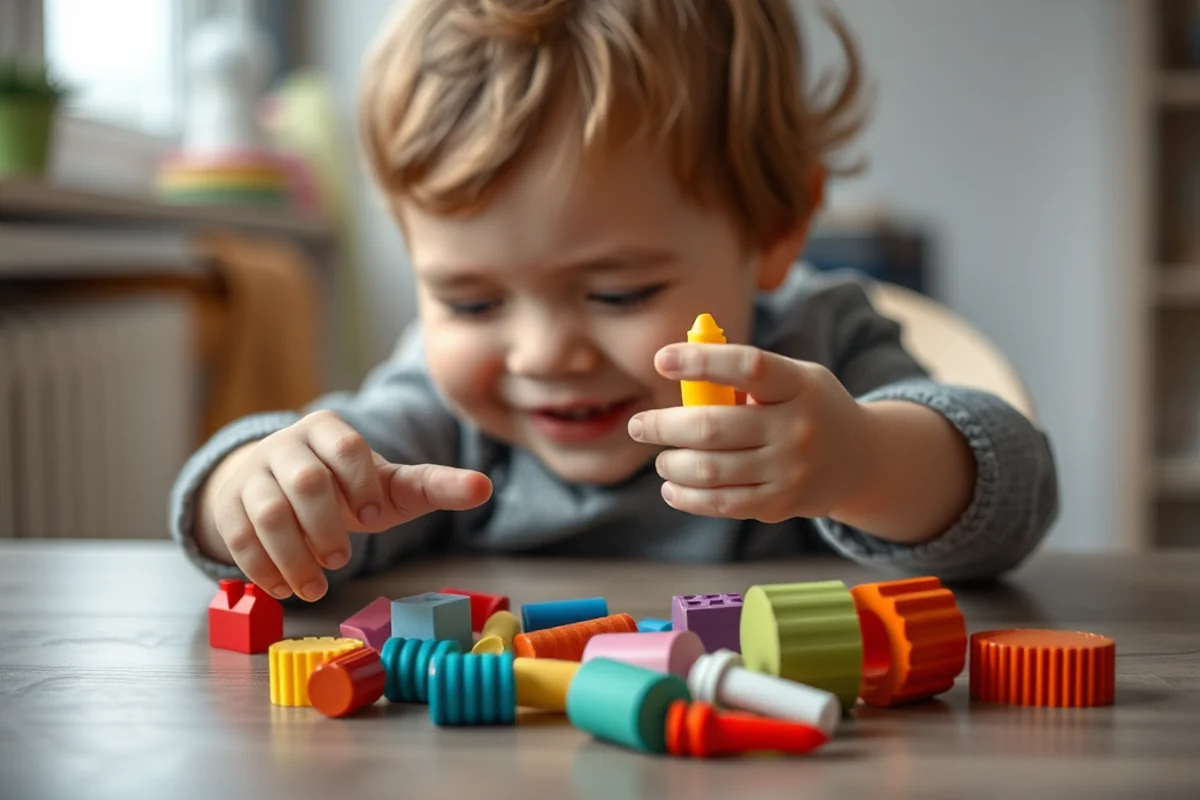
The development of gross motor skills follows a predictable path from birth to adulthood. In the first year, babies learn to lift their heads, roll over, sit, and crawl. By age two, most children can walk independently and run. At three years old, they may be able to jump with both feet and climb stairs.
I noticed my daughter's gross motor development was on track when she transitioned from crawling to walking. It was a gradual process, with many stumbles and wobbles, but each small victory was a step forward. She even started walking backward in her own unique way — a quirky habit that became a family favorite.
These milestones are not just physical achievements; they're neurological breakthroughs. The brain's motor cortex becomes more specialized as a child practices movement, which strengthens connections that support learning and behavior.
Movement is the language of the developing brain.
Related: Homemade fine motor skills tips
The Role of Environment in Gross Motor Skill Development
From the moment a baby is born, their environment shapes how they move and explore. A clutter-free space with soft surfaces and open areas encourages safe exploration. I made sure our home was a safe haven for my daughter to move — no sharp corners, no loose rugs, just a clear path to run and play.
Access to open spaces like parks and playgrounds is also essential. These environments offer opportunities to climb, slide, and jump — all activities that build strength and coordination. My daughter’s favorite park has a hill with a slide, and she’s been practicing her balance on the way down since she was three.
Creating an environment that supports movement is one of the most powerful ways to help a child develop. It’s not about overstimulating them — it’s about giving them the freedom to explore and try new things.
Take your child to a park regularly, even for short visits. Nature and open space are natural motivators for gross motor development.
“I remember the first time my daughter took a wobbly step across the living room — her eyes wide, her face lit with the kind…”— Grippylittle editors
Related: Fine motor skills tips for families
Supporting Gross Motor Skills Through Play
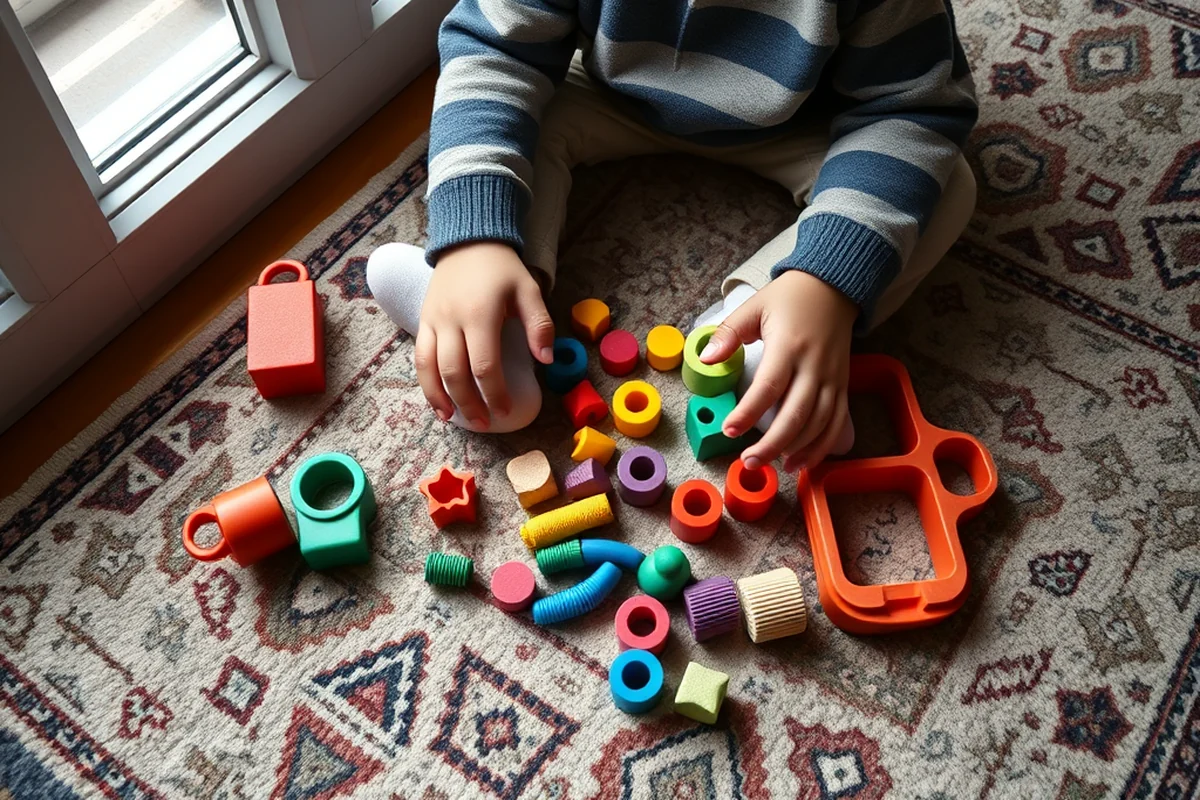
Play is the most natural way for children to learn and grow. When they play, they're not just having fun — they're building strength, coordination, and confidence. Whether it's running around the yard or playing catch, these activities are all forms of gross motor development.
I discovered that playing games like tag, hopscotch, and obstacle courses were excellent for my daughter's gross motor skills. She especially loved jumping over puddles during a rainy day, which helped her improve her balance and coordination.
The key is to make play engaging and fun. When children enjoy what they're doing, they're more likely to keep practicing and developing their skills. Even simple activities like rolling a ball or dancing to music can be highly beneficial.
Related: Affordable fine motor skills activities easy
The Connection Between Gross Motor Skills and Emotional Development
Children who have strong gross motor skills often display greater emotional resilience and confidence. The ability to move freely and explore their environment helps them feel more in control and secure. My daughter, for instance, became more confident after learning to climb the couch and reach the top shelf for a snack.
Studies show that children who are physically active tend to have better emotional regulation and social skills. This is because movement stimulates the release of neurotransmitters like serotonin and dopamine, which are linked to mood and behavior.[3]
When children can move their bodies freely, they're better able to manage their emotions. They can run to express joy, jump to release energy, or sit still to focus on a task. These physical expressions are crucial for emotional development.
Related: Diy fine motor skills tips
Identifying Delayed Gross Motor Skills and What to Do
If a child is not meeting typical motor milestones, it's important to seek support early. Delayed gross motor skills can sometimes be a sign of a developmental disorder, such as autism or cerebral palsy. However, it's also possible that the child just needs more time or practice.
I noticed that my daughter was a bit behind in some gross motor milestones, like standing on one foot. Instead of panicking, I consulted with a pediatric physical therapist, who helped us create a simple exercise routine to support her development.
Early intervention is key with gross motor delays. Whether it's through therapy, play, or simple home exercises, addressing delays early can make a significant difference in a child's long-term development.
Early recognition and support can change the trajectory of a child's development.
Related: Different fine motor skills for small spaces
The Importance of Consistency and Patience in Gross Motor Development
Developing gross motor skills is a long and ongoing process that requires consistency and patience. It's not about rushing a child to walk or run — it's about providing them with the time and space to practice and grow at their own pace.
I've learned that pushing my daughter to reach milestones too quickly can be counterproductive. Instead, I focus on creating a positive and encouraging environment where she feels safe to explore and make mistakes.
Consistency in routine and practice is key. Whether it's daily playtime or regular visits to the park, consistency helps reinforce the skills that a child is learning. Patience, on the other hand, allows the child to develop without pressure.
👣 Gentle Approach
This method focuses on slow, steady progress through play and natural exploration. Perfect for parents who want to support their child without pressure.
🏃♀️ Fast-Track Development
Ideal for parents who want to give their child extra practice through structured activities and early intervention.
🧳 Travel/away-from-home
This approach helps children maintain gross motor skills while on the go, using portable toys and open spaces like parks and playgrounds.
👶 Multiples
Designed for parents of twins or multiples, this method encourages group play and shared gross motor activities to build strength and coordination.
🔄 Regression Reset
For children who've experienced a developmental regression, this approach includes targeted exercises and play to rebuild skills and confidence.
| The mistake | Why it happens | The fix |
|---|---|---|
| Overlooking the importance of play in gross motor development | Play is a natural and effective way for children to develop their motor skills, and neglecting it can hinder progress. | Incorporate play into daily routines and use toys that encourage movement and exploration. |
| Not providing a safe environment for exploration | A lack of safe space can prevent children from practicing movement and developing their gross motor skills. | Create a child-friendly environment with soft surfaces, open areas, and minimal hazards to encourage exploration. |
| Pushing a child too hard to meet milestones | Pushing a child to meet motor milestones too quickly can be stressful and counterproductive. | Support your child at their own pace and focus on creating a positive, encouraging environment. |
| Neglecting gross motor skills in favor of fine motor development | While fine motor skills are important, gross motor skills form the foundation of physical development and should not be overlooked. | Balance both gross and fine motor activities to support overall development. |
What Are Gross Motor Skills
Common Questions
What are some common signs that a child is developing gross motor skills?
How can I help my child develop gross motor skills at home?
What should I do if my child is not meeting gross motor milestones?
Can gross motor skills affect a child's emotional development?
References
Cite this guide
Grippylittle (2026). What Are Gross Motor Skills and How Do They Develop. https://grippylittle.com/what-are-gross-motor-skills/
Feel free to cite or share this guide.