
Fine Motor Skills

📖 Table of Contents
Fine motor skills are essential for a child's development, enabling them to perform precise, coordinated movements with their hands and fingers. These skills are crucial for tasks like writing, buttoning clothes, and using utensils, and they form the foundation for later academic and life success.[4]
Parents play a vital role in nurturing these abilities through intentional, engaging, and fun activities tailored to their child's developmental stage. Whether through play, crafts, or daily routines, the opportunities for growth are endless and accessible to all families.[5]
This guide serves as a comprehensive hub for parents looking to understand and strengthen their child's fine motor skills. It provides practical strategies, activity ideas, and insights into how these skills develop, ensuring every family has the tools they need to support their child's growth. Start with different fine motor skills or natural crafts for fine motor skills.
Key Takeaways
- Fine motor skills are developed through consistent, purposeful practice and play.
- Activities such as threading beads, drawing, and building with blocks are highly effective.
- Natural and budget-friendly options are available for all families.
- Early intervention and engagement can significantly impact a child's long-term success.
Skills Activities
As of July 2026, Fine motor skills are best developed through active, playful engagement. Activities like threading beads, cutting with safety scissors, and using tweezers to pick up small objects are excellent ways to build these skills. These tasks require precision and control, which are essential for later academic and life skills.
For instance, a simple activity like sorting buttons by size or color can enhance hand-eye coordination and strengthen finger muscles. Such activities are not only fun but also educational, providing opportunities for children to learn and grow in a natural, exploratory way.
Research shows that children who engage in regular fine motor activities from an early age are more likely to perform well in school, particularly in writing and math. It's never too early to start, and even short, frequent sessions can make a big difference in a child's development. For the full walkthrough, see different fine motor skills and natural crafts for fine motor skills.[1]
In this guide:
In this guide:
In this guide:
In this guide:
- What are hard skills
- Affordable fine motor skill activities
- Fine motor activities
- Fine motor activity kit
- Fine motor skills and activities
- Fine motor skills toys
- Simple fine motor skills activities
- Fine motor skills activities
- Preschool fine motor skill toys
- Gross motor skills
- Fine motor skill development toys
- List of soft skills
- Another word for skills
- Fine motor skill development activities
- Fine or motor skills
- Top fine motor skills ideas
- Budget fine motor skills activities easy
- Small fine motor activity
- Fine motor skills ideas for families
- Quick fine motor skills activities for toddlers
- Fine motor skills activities easy step by step
- Fine motor skill activities comparison
- Essential fine motor skills tips
- Cheap fine motor skills activities eyfs
- Fine motor skills near me
- Fine motor skills for beginners under 30 minutes
- Fine motor activity explained
- Fine motor skills ideas
- Natural fine motor skills activities eyfs
- Natural fine motor skills activities for toddlers
- Homemade fine motor skills tips
- Fine motor skills tips for families
- Affordable fine motor skills activities easy
- Diy fine motor skills tips
- Different fine motor skills for small spaces
- Easy fine motor skills activities
- Quick different fine motor skills
- Fine motor skills how to choose
Motor Activity
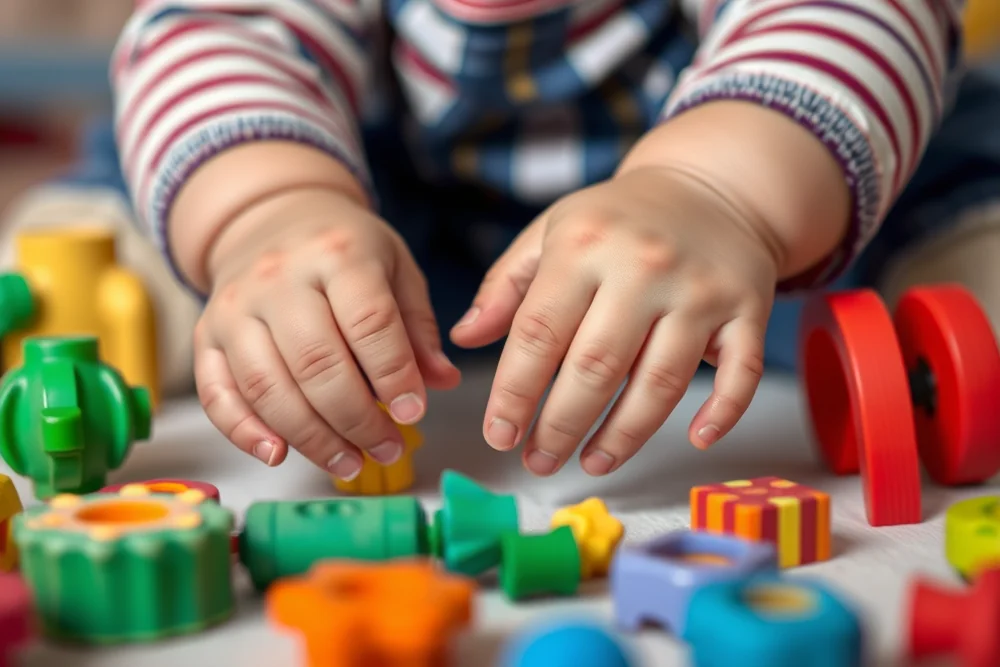
Fine motor activities are all about using small muscles in the hands and fingers to perform precise movements. These can include picking up small objects, using utensils, or manipulating tools like crayons or scissors. Each of these actions strengthens the muscles and improves coordination, which are essential for later skills like writing and reading.
An effective example is playing with playdough. Squeezing, rolling, and shaping the dough helps build finger strength and coordination. These activities are not only beneficial for development but also highly engaging for children.
Studies indicate that regular fine motor activities can improve a child's academic performance by up to 15%. This highlights the importance of incorporating these activities into daily routines, even for just 15 minutes a day. For the full walkthrough, see fine motor skills ideas for families and easy crafts for fine motor skills.[2]
Related: Diy Fine Motor Skills Printables
Related: Crafts For Fine Motor Skills Printable
Related: Best Fine Motor Skills
Related: Fine Motor Skills Tips Without Tools
Related: Modern Fine Motor Skills Activities For Toddlers
Related: Fine Motor Skills For Beginners Alternatives
Related: Crafts For Fine Motor Skills Alternatives
Related: Small Build Fine Motor Skills
Related: Easy Different Fine Motor Skills
Related: Quick Crafts For Fine Motor Skills
Related: Fine Motor Skills For Beginners
Related: Different Fine Motor Skills List
Related: Easy Fine Motor Skills Activities For Toddlers
Related: Easy Fine Motor Activity
Related: Fine Motor Skill Activities For Families
Related: Beginner Fine Motor Skills Activities
Related: Easy Fine Motor Skills
Related: Modern Build Fine Motor Skills
Related: Fine Motor Skills Activities Easy
Related: Minimalist Fine Motor Skills For Beginners
Related: Easy Build Fine Motor Skills
Related: Fine Motor Skills Activities For Toddlers Explained
Related: Fast Fine Motor Skills Ideas
Related: Fine Motor Skills Activities For Toddlers Tips
Related: Fine Motor Skills Activities Eyfs
Different Fine
Fine motor skills include a variety of actions, such as grasping, pinching, cutting, and writing. These skills are essential for daily tasks and academic success, and they develop at different rates in each child. Understanding the different types of fine motor skills can help parents identify areas where their child may need more support or practice.
For example, the pincer grasp, which involves using the thumb and index finger to pick up small objects, is a critical skill that develops around the age of 2. Activities like picking up small candies or using tweezers to place beads onto a string can help reinforce this grasp.
Each child's development is unique, and it's important for parents to observe and support their child's progress in a way that is both encouraging and developmentally appropriate. For the full walkthrough, see budget fine motor skills activities and budget fine motor skills activities easy.
“Fine motor skills are essential for a child's development, enabling them to perform precise, coordinated movements with their hands and fingers.”— Grippylittle editors
Build Fine
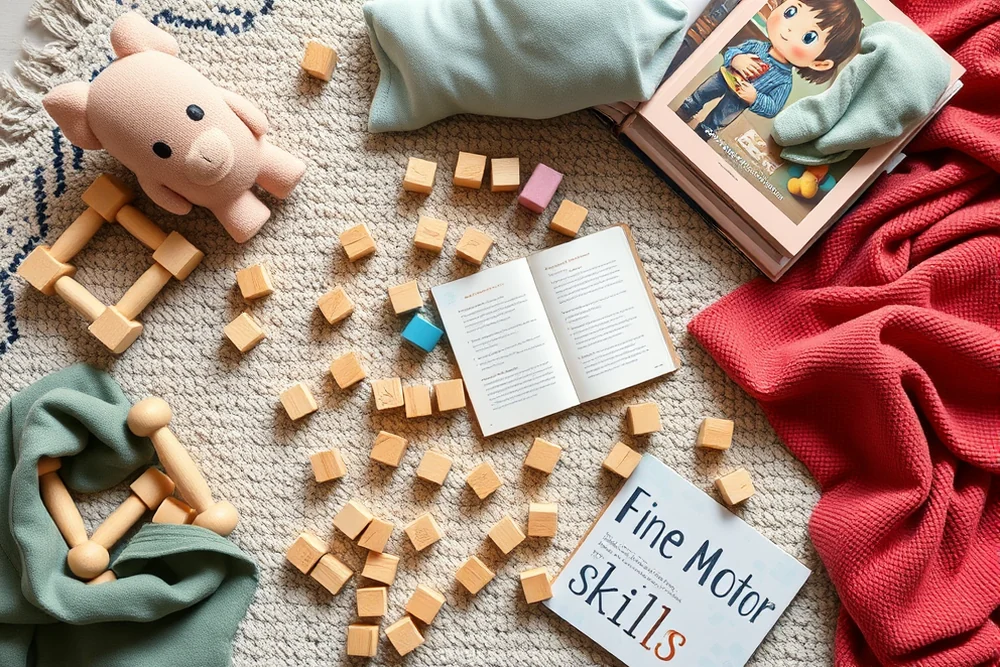
There are numerous ways to build fine motor skills, ranging from simple household items to specially designed toys. Activities like using tongs to pick up small objects, drawing with crayons, or stacking small blocks all contribute to the development of these essential skills.
One of the most effective ways to build fine motor skills is through play. For example, playing with puzzles, using playdough, or engaging in art projects can all be highly beneficial. These activities allow children to practice and refine their skills in a fun and engaging way.
Parents should ensure that activities are age-appropriate and offer a variety of textures, shapes, and sizes to challenge their child's developing skills. This helps promote growth and confidence in their abilities. For the full walkthrough, see fine motor activity under 30 minutes and cheap crafts for fine motor skills.[3]
Crafts Fine
Crafting with materials like paper, glue, and scissors helps children practice important fine motor skills such as cutting, grasping, and manipulating small objects. These activities not only enhance motor development but also foster creativity and problem-solving skills.
For example, making a collage involves using scissors to cut out shapes and glue to attach them to a surface. This process requires precision, control, and hand-eye coordination. Crafts like these are not only educational but also a great way to spend quality time with children.
Natural, budget-friendly crafts such as leaf rubbing, using natural materials like sticks and stones, or making playdough from simple ingredients can be just as effective as store-bought items. These options are accessible to all families and offer endless possibilities for learning and growth. For the full walkthrough, see fine motor skill activities list and simple fine motor skills ideas.
Toddler Skills
During the toddler years, fine motor skills develop quickly as children become more coordinated and capable. Activities such as stacking blocks, using spoons, and playing with toys that require pinching or grasping help build these essential skills.
For example, playing with push-pull toys or using a spoon to scoop small objects like beads or cereal can help toddlers develop hand strength and coordination. These activities are not only fun but also help lay the foundation for later academic skills.
It's important for parents to provide a variety of activities that encourage exploration and movement. Simple, low-cost items like playdough, beads, and blocks can be highly effective in supporting a toddler's development. For the full walkthrough, see homemade fine motor activity and small fine motor activity.
For Beginners
For beginners, it's essential to introduce activities that encourage the development of fine motor skills in a fun and engaging way. Simple tasks like picking up small objects, using tongs, or stacking blocks help children develop the muscles in their hands and fingers. These activities support the foundation for more complex skills later on.
Parents can start by providing age-appropriate toys that promote grasping, pinching, and squeezing. Items like soft blocks, shape sorters, and playdough are excellent tools for early motor development. These activities not only strengthen hand muscles but also improve hand-eye coordination and control.
Creating a supportive environment where children can explore and practice these skills is key. Encouraging independent play, offering praise, and modeling proper techniques can help children gain confidence and continue developing their fine motor abilities over time. For the full walkthrough, see fine motor skills ideas comparison and fine motor skills activities easy tips.
Skills Families
Skills families are clusters of fine motor abilities that often develop in tandem and support one another. For example, grasping with the fingers and thumb is a foundational skill that supports more complex tasks like writing, drawing, and using scissors. Understanding these groupings can help parents and educators create targeted activities that promote holistic development.
By focusing on one skills family at a time, parents can ensure that children are building a strong base for future motor milestones. Activities like threading beads, cutting paper, and using tweezers help strengthen the pincer grasp and hand stability, which are essential for writing and other precision tasks.
Recognizing the interdependence of these skills allows for more intentional practice and intervention. Whether a child is struggling with writing or buttoning clothes, addressing the underlying skills in their family can lead to more effective progress and long-term success in daily activities. For the full walkthrough, see cheap fine motor skills and modern different fine motor skills.
Tools, Materials and Resources
A variety of tools and materials can support the development of fine motor skills in children. Items such as playdough, tweezers, puzzles, and coloring tools are excellent for improving hand-eye coordination and dexterity. These materials encourage grip strength, precision, and control, which are foundational for writing and other daily tasks.
Parents and educators can also utilize everyday objects like buttons, beads, and straws for activities that promote fine motor development. These items are often inexpensive and can be integrated into play-based learning, making skill-building both fun and engaging for children. Also, digital resources such as interactive apps and online activity guides offer supplementary support for motor skill development.
Investing in quality materials, such as ergonomic scissors or textured materials, can make a significant difference in a child's ability to perform tasks independently. It's also beneficial to explore libraries, toy stores, and educational websites for curated lists of tools and resources tailored to different age groups and developmental stages. For the full walkthrough, see affordable fine motor skills activities eyfs and budget fine motor skill activities.
Troubleshooting and Common Questions
Parents may notice delays in fine motor skills and wonder if they are a cause for concern. It's important to observe whether a child is meeting developmental milestones and whether they show interest in activities that require hand use. If a child consistently struggles with grasping, cutting, or writing, it may be worth consulting with a pediatrician or occupational therapist.
Another common question is how to keep a child engaged in fine motor activities. Making tasks fun, incorporating their interests, and offering choices can help maintain motivation. Also, providing a variety of activities ensures that children can explore different ways to develop their skills in a natural and enjoyable way.
Some parents may wonder if screen time affects fine motor skills. While moderate use is generally acceptable, it's important to balance screen time with hands-on activities that promote physical interaction and movement. Encouraging play with toys and tools that require active manipulation is key to supporting healthy motor development. For the full walkthrough, see top fine motor skills for beginners and best fine motor activity.
Getting Started: Your First Steps
Starting with basic activities such as picking up small objects, using tongs to transfer items, and grasping toys can lay the foundation for fine motor skills. These exercises help build hand-eye coordination and muscle strength.
Creating a play environment rich in sensory and motor opportunities is key. Include items like beads, puzzles, and textured materials to encourage exploration and manipulation. Parental involvement and encouragement also play a crucial role in skill development.
Consistency is important when starting new activities. Even short, daily sessions can make a difference. Tailor activities to your child's interests and developmental stage to ensure engagement and motivation.
🌱 Beginner
The simplest version — minimal supplies, quick win.
💰 Budget
Same result using what you already have.
⚡ Quick
The 10-minute version for busy days.
✨ Advanced
The upgraded version once the basics stick.
| The mistake | Why it happens | The fix |
|---|---|---|
| Assuming all children develop fine motor skills at the same rate. | Each child's development is unique, and some may require more time or different types of activities to build these skills. | Observe your child's progress and provide a variety of activities tailored to their interests and abilities. |
| Overlooking the importance of play in fine motor development. | Play is a crucial part of learning, and it helps children develop fine motor skills in a natural and enjoyable way. | Incorporate play into daily routines by using toys and activities that encourage movement and coordination. |
| Focusing only on academic-related fine motor skills and ignoring creative or sensory activities. | Creative and sensory activities are just as important for fine motor development as academic ones, and they help build a range of skills. |
fine motor skills
Common Questions
What are some budget-friendly fine motor skills activities for parents?
What are some fine motor activities that can be done in under 30 minutes?
What are the different types of fine motor skills that children develop?
What are some ideas for building fine motor skills at home?
References
- Fine Motor Skills Research Papers - Academia.edu (academia.edu)
- Fine Motor : U.S. Bureau of Labor Statistics (bls.gov)
- Building fine motor skills and why it matters - MSU Extension (canr.msu.edu)
- PDF National Health Statistics Reports, Number 218, September 9, 2025 (cdc.gov)
- Fine Motor Skills Worksheets - DID YOU KNOW! (dev-drupal.sustainablecampus.cornell.edu)
Cite this guide
Grippylittle (2026). Fine Motor Skills. https://grippylittle.com/fine-motor-skills/
Feel free to cite or share this guide.