
Fine Motor Skills For Beginners

📖 Table of Contents
I remember the first time I watched my 2-year-old son struggle to hold a crayon. He’d grip it so tightly, his knuckles turned white, and the paper would tear before he could even draw a line. It wasn’t until I started learning more about fine motor skills for beginners that I realized how crucial these small movements are for a child’s development. Fine motor skills—those tiny hand and finger movements—form the building blocks for writing, cutting, tying shoelaces, and even grasping a pencil correctly. But if you’re like me, you might be wondering where to start. The good news is, there are tons of fun and effective ways to help your child build these essential skills, and you don’t need a degree in child development to begin. For the full picture, see our fine motor skills guide — our complete hub on the topic.[5]
Fine motor skills for beginners often feel like a vague concept. In reality, they’re the things your child does every day—like picking up a tiny bead, using a fork, or manipulating a small toy. I used to think these skills were something that just came naturally, but after working with a speech therapist, I learned that they’re actually developmental milestones. It’s not just about the motor skills themselves; it’s about the coordination, strength, and control that underlie them. When I started incorporating simple activities into our daily routine, like playing with playdough or using tongs to pick up snacks, I saw a noticeable shift in my son’s confidence and ability to handle small objects.
The truth is, even the most well-meaning parents can feel overwhelmed with fine motor skills for beginners. We want to support our children, but we’re not always sure what to do or how to do it. I remember feeling lost, unsure if the activities I was trying were even effective. But the more I learned, the more I realized that fine motor skills are all around us, embedded in everyday moments. Whether it’s threading beads, cutting paper with safety scissors, or even stacking blocks, these activities are not just fun—they’re essential. And the best part? They don’t require special equipment or a lot of time. They just require a little intention and a lot of love.
Why You'll Love This Article
- You’ll gain practical, doable strategies that fit into your daily routine.
- You’ll learn exactly what fine motor skills for beginners are and why they matter.
- You’ll get concrete, step-by-step methods to help your child develop these skills.
- You’ll feel more confident knowing you can support your child’s development without any special training or equipment.
What Are Fine Motor Skills For Beginners?
As of September 2026, Fine motor skills for beginners are the foundation of a child’s physical development. These skills involve the small muscles in the hands and fingers, which are used for tasks like picking up a pencil, using scissors, and tying shoes. As a parent, understanding these skills helps you recognize when your child is ready for certain activities and how to support them along the way.
For example, I noticed that my son struggled with using a spoon when he was around 18 months old. It wasn’t because he didn’t want to eat—it was because his fine motor skills were still developing. By incorporating activities like playing with playdough and using tongs to pick up small snacks, we were able to strengthen his hand muscles and improve his coordination.[1]
According to the American Occupational Therapy Association, fine motor skills develop rapidly between the ages of 3 and 6. By introducing activities that encourage these skills early on, you’re setting your child up for success in school and beyond. Whether it’s threading beads or using safety scissors, every small movement counts.[2]
Grab a pair of tongs and some small snacks like grapes or raisins. Let your child use the tongs to pick them up. This simple activity helps develop the pincer grasp, which is essential for holding a pencil later on.
The Role of Play in Fine Motor Skills Development
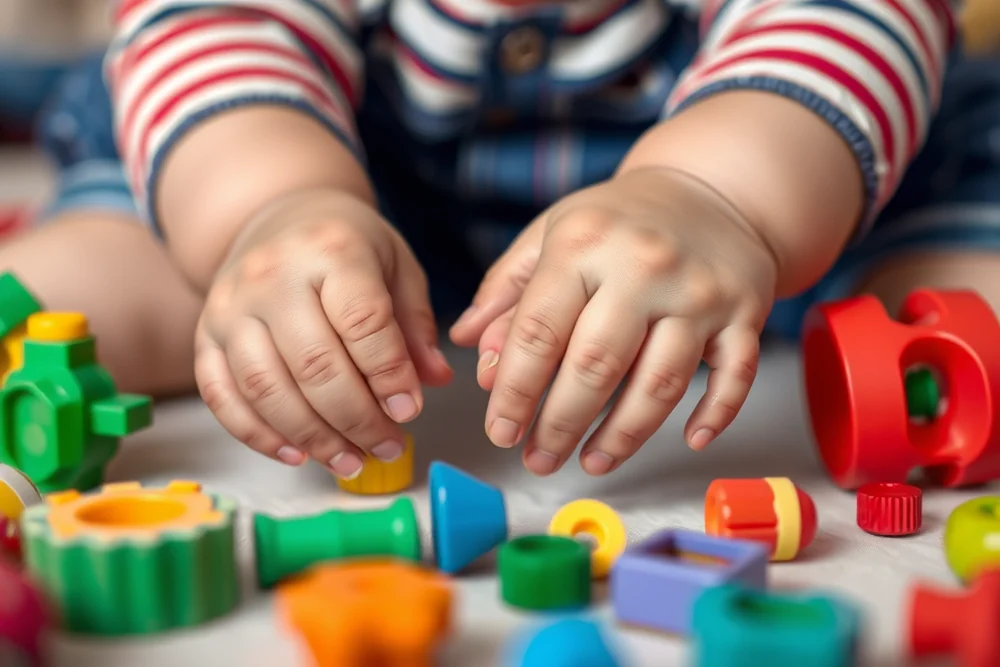
When I first started looking into fine motor skills for beginners, I didn’t realize how much play was involved. I thought it had to be structured and formal, but the truth is, play is the best way to teach these skills. My son loved playing with blocks, and I never realized that stacking them was actually helping him develop hand-eye coordination and finger strength.
Playdough is another favorite in our home. We would roll it into snakes, flatten it into pancakes, and even use cookie cutters to make shapes. What I didn’t know at the time was that these activities were helping him develop the small muscles in his hands. By the time he turned 3, he was able to use a small brush to paint, which was a huge milestone for us.
According to research, children who engage in play-based fine motor activities are more likely to succeed in academic tasks. Whether it’s playing with building blocks, using playdough, or even threading beads, these activities are not just fun—they’re educational.[3]
Play is not just for fun—it’s the foundation of fine motor skills development.
Related: Modern fine motor skills activities for toddlers
Fine Motor Skills Examples That Work
One of the best things about fine motor skills for beginners is that there are so many activities that can be done at home with minimal equipment. My son loved using safety scissors to cut paper, and I was amazed at how quickly he picked it up. He would cut simple shapes like circles and squares, and it was so rewarding to see his confidence grow.
Another favorite was threading beads onto a string. At first, he could only manage a few beads, but over time, he was able to string them all the way through. This activity not only improved his fine motor skills but also helped with his patience and concentration.
These types of activities are not only effective but also engaging for children. Whether it’s using playdough, threading beads, or using safety scissors, each of these fine motor skills for beginners helps build the muscle strength and coordination that children need for future tasks.
Use buttons or small beads and a piece of string. Let your child thread them onto the string. This helps develop the pincer grasp and improves hand-eye coordination.
“I remember the first time I watched my 2-year-old son struggle to hold a crayon.”— Grippylittle editors
Related: Fine motor skills tips without tools
How to Encourage Fine Motor Skills with Hands
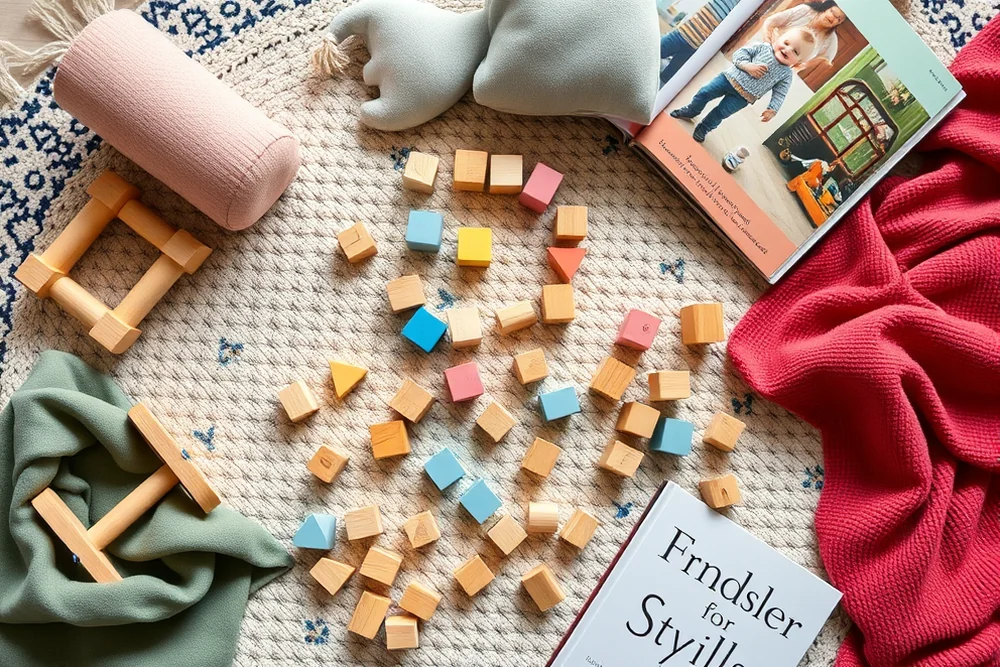
Fine motor skills with hands are essential for a child’s development. From the moment your child is born, they start developing these skills through simple movements like grasping a toy or holding your finger. As they grow, these skills become more refined, allowing them to perform tasks like using a pencil or tying their shoes.
I remember when my son was learning to use a spoon. It took a lot of practice, but eventually, he was able to do it on his own. This was a huge victory for us because it showed how much he had developed his fine motor skills with hands. By providing him with opportunities to use his hands in daily activities, we were helping him build the strength and coordination he needed.
Whether it’s using tongs to pick up snacks, playing with playdough, or threading beads, these activities are all great ways to encourage fine motor skills with hands. The key is to provide a variety of activities that challenge your child’s hands in different ways.
Related: Best fine motor skills
Fine Motor Skills Learning Outcomes for Toddlers
Fine motor skills learning outcomes for toddlers are crucial for their development. These skills not only help with basic tasks like eating and dressing but also lay the groundwork for future academic success. When I first started working on these skills with my son, I was amazed at how quickly he improved.
One of the most noticeable outcomes was his ability to use a spoon. At first, he would struggle with it, but after a few weeks of practicing, he was able to use it confidently. This was a huge milestone for us, and it showed how important fine motor skills learning outcomes are for toddlers.
According to developmental experts, the fine motor skills learning outcomes for toddlers are not just about physical ability—they’re also about confidence and independence. When a child can perform tasks like using a spoon or holding a pencil, they feel more capable and confident in their abilities.[4]
⭐ Classic
A traditional playdough recipe with no added colors or extras.
💰 Budget
A simple version using common kitchen ingredients to save money.
⚡ Extra-Fast
A quicker recipe that still produces a fun and usable playdough.
✨ Depth
A more detailed recipe with step-by-step instructions for beginners.
🥗 Light
A lighter version of the playdough recipe with fewer calories and less fat.
| The mistake | Why it happens | The fix |
|---|---|---|
| Not providing enough variety in activities. | Children need a range of activities to develop different fine motor skills. If you only provide one type of activity, your child may not develop all the necessary skills. | Introduce a variety of activities, such as using tongs, threading beads, and using scissors, to help your child develop a wide range of fine motor skills. |
| Putting too much pressure on the child. | Putting too much pressure on a child can lead to frustration and a lack of motivation. Fine motor skills develop at different rates, and it’s important to be patient and encouraging. | Be patient and provide positive reinforcement. Celebrate small successes and encourage your child to keep trying. |
| Not allowing enough time for practice. | Fine motor skills take time to develop, and children need consistent practice to improve. If you only allow short periods of practice, your child may not see progress. | Set aside regular time for fine motor activities, such as 15–20 minutes each day, to give your child the opportunity to practice and improve. |
| Ignoring the importance of sensory play. | Sensory play, such as playing with playdough or using textured materials, helps develop fine motor skills by engaging the senses and improving hand-eye coordination. | Incorporate sensory play into your child’s routine. Try activities like playing with playdough, using textured materials, or using different types of toys to help develop fine motor skills. |
What You'll Need tap to check off
- 1 lb Flour
- ½ cup Salt
- 1 cup Water
- ½ cup Vegetable oil
- ¼ cup Cream of tartar
- Food coloring (optional)
Method tap a step when done
- In a large mixing bowl, combine the flour, salt, and cream of tartar.
- In a separate bowl, mix the water and vegetable oil.
- Gradually add the liquid mixture to the dry ingredients while stirring.
- Knead the dough on a floured surface for about 10 minutes until it’s smooth and elastic.
- If desired, divide the dough into portions and add food coloring to each portion. Knead until the color is evenly distributed.
- Store the playdough in an airtight container for up to a week.
Key Facts
Related: Crafts for fine motor skills printable
Fine Motor Skills For Beginners
Related: Best fine motor activity
Common Questions
What are some fine motor skills for beginners?
What are 5 fine motor skills?
How can I help my child develop fine motor skills with hands?
What are some fine motor skills with playdough?
References
- Fine Motor Skills Worksheets - DID YOU KNOW! (dev-drupal.sustainablecampus.cornell.edu)
- Fine Motor Skills Research Papers - Academia.edu (academia.edu)
- Fine Motor : U.S. Bureau of Labor Statistics (bls.gov)
- Building fine motor skills and why it matters - MSU Extension (canr.msu.edu)
- PDF National Health Statistics Reports, Number 218, September 9, 2025 (cdc.gov)
Cite this guide
Grippylittle (2026). Fine Motor Skills For Beginners. https://grippylittle.com/fine-motor-skills-for-beginners/
Feel free to cite or share this guide.