
Fine Motor Skills Stage Guide
📖 Table of Contents
I remember the first time my daughter gripped a crayon and drew a wobbly line across the paper. It was messy, but it was magic. That moment was the first clue that her fine motor skills were beginning to develop. As a parent, I’ve watched her progress from clumsy finger movements to the coordinated actions she has now. Fine motor skills are like the unsung heroes of childhood — they shape everything from writing to tying shoes, and they deserve our attention.[1]
Fine motor skills development is one of the most fascinating, yet often overlooked, stages of a child's growth. It's the stage where tiny hands begin to learn the language of manipulation, where fingers become more than just appendages — they become tools. I’ve spent years observing and experimenting with different ways to support this development, and I’ve learned that the right tools and activities can make all the difference.[2]
A fine motor skills stage guide isn’t just a list of milestones — it's a roadmap that helps parents understand what their child is capable of, and how to support them through each step. It's about knowing when to step back and when to guide, about recognizing the subtle shifts in a child’s ability to grasp, pinch, or manipulate objects. This guide is the result of real moments, real mistakes, and real progress — and it's here to help you navigate this stage with confidence.
Why You'll Love This Fine Motor Skills Stage Guide
- Real, actionable insights from a parent who's been there
- Concrete strategies that work for different learning styles and ages
- Simple, low-cost activities that bring joy and growth
- A roadmap that helps you see your child’s progress clearly
What Exactly Are Fine Motor Skills?
As of October 2026, Fine motor skills refer to the precise movements of the hands and fingers, which are critical for a child’s independence and development. These skills allow children to perform tasks like picking up small objects, using scissors, and tying shoelaces. I’ve noticed that even small improvements in these areas can have a huge impact on a child's confidence and ability to engage in activities.
From my own experience, I’ve learned that fine motor development is not just about dexterity — it’s also about coordination and control. Early on, my daughter struggled to hold a pencil, but with time and practice, she was able to write her own name. It was a proud moment for both of us.
Fine motor skills are developed through repeated practice and exposure to a variety of activities. Whether it's playing with blocks, drawing, or manipulating small objects, each experience contributes to a child’s growing ability to control their hands and fingers.
Incorporate sensory play into your child’s routine by using items like playdough, rice, or water beads. These activities help build muscle strength and coordination.
Part of our Fine motor skills by age stage guide.
The Early Stages: 0–12 Months
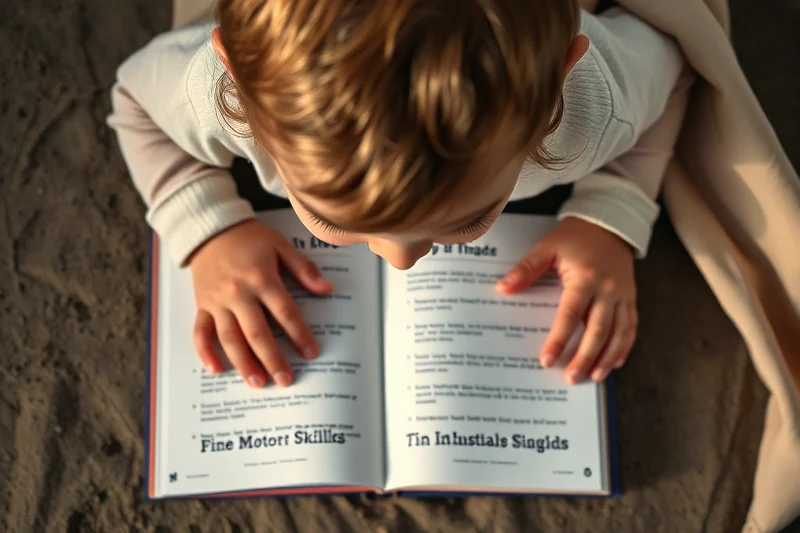
The first year of life is a whirlwind of sensory exploration and motor development. My daughter started by reaching for toys with her whole hand and gradually progressed to using her thumb and index finger to grasp small objects. This is a critical stage where the foundation for fine motor skills is laid.
At this point, it's important to provide lots of opportunities for your child to explore their environment. I found that placing small, colorful objects within reach helped my daughter develop her grasping skills. It was also interesting to see how she learned to let go of objects, which is an important step in motor development.
By around six months, most babies can pick up small objects with their fingers and bring them to their mouths. It's a small but significant milestone that shows the beginning of control and coordination.
The first year is all about exploration — and it's never too early to start.
Related: Easy fine motor skills stage
The Toddler Years: 18 Months to 3 Years
Between 18 months and three years, toddlers start to show more control over their hands and fingers. I noticed that my daughter was able to use a spoon independently around 18 months and could start drawing simple shapes by the time she was two. It was a joy to see her progress.[3]
This stage is all about repetition and practice. Whether it's using a fork, turning pages in a book, or stacking blocks, each activity helps build muscle strength and coordination. I found that playing with puzzles and threading beads were excellent ways to support her development.
By the time a child reaches three years old, they should be able to use scissors with some guidance, fasten buttons, and hold a pencil with a pincer grip. These skills are essential for future academic and life tasks.
Incorporate everyday objects like bottle caps, pasta, and play dough into your child’s playtime. These items help build fine motor skills in a fun and natural way.
“I remember the first time my daughter gripped a crayon and drew a wobbly line across the paper.”— Grippylittle editors
Related: Quick fine motor skills by age stage
Preschool and Beyond: 3–5 Years
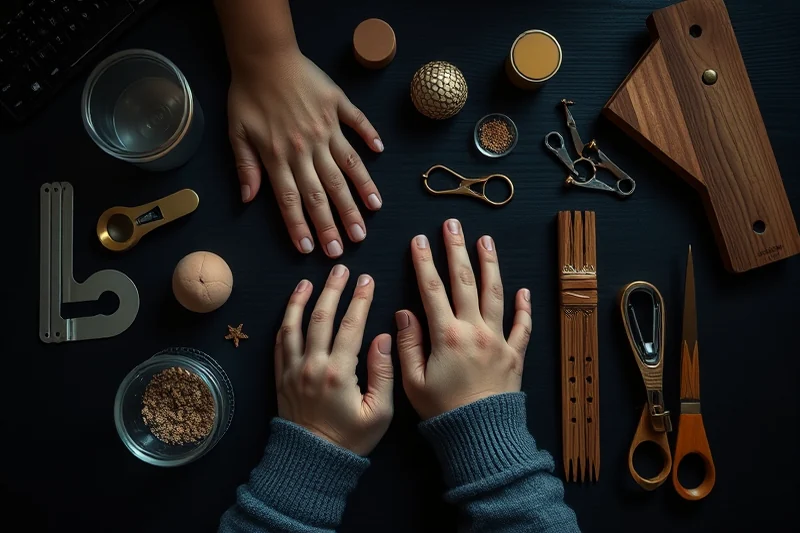
Preschool is a time of rapid development, where children begin to use their fine motor skills in more complex ways. I saw my daughter transition from scribbling with a crayon to drawing recognizable shapes and even writing her own name. It was a huge leap in her development.
At this stage, activities like drawing, cutting with scissors, and using tongs to pick up small objects are essential. I found that using child-safe scissors and encouraging her to cut along lines helped her develop precision and control.
By five years old, most children can use a pencil with a proper grip, tie their shoes, and handle small objects with ease. These skills are crucial for school readiness and building confidence.
Related: Fine motor skills stage checklist
Supporting Development Through Play
Play is the most natural and effective way for children to develop their fine motor skills. I’ve found that when my daughter was engaged in activities she loved, like playing with building blocks or threading beads, she was more willing to practice and improve.
I often used simple toys like pegboards, abacuses, and magnetic tiles to keep her interested and motivated. These activities not only helped her develop her hands, but also improved her focus and problem-solving skills.
Incorporating play into daily routines, such as cooking or cleaning, can also be a fun way to build fine motor skills. Even simple tasks like pouring water or sorting items can have a significant impact on a child's development.
🌱 Gentle Approach
For parents who prioritize patience and natural development, this approach focuses on creating a calm, supportive environment for fine motor growth.
🚀 Fast-Track Method
Ideal for busy parents, this approach uses targeted activities and short, focused practice sessions to boost fine motor skills quickly.
🧳 Travel/On-the-Go
This method is perfect for parents who are always on the move — it includes portable, easy-to-use tools and activities that can be done anywhere.
👶 Multiples-Friendly
Designed for parents of twins or multiples, this approach offers activities that can be done simultaneously, keeping all children engaged and developing their skills.
🔄 Regression Reset
For parents who notice a sudden drop in fine motor skills, this approach offers strategies to help children regain their strength and confidence.
| The mistake | Why it happens | The fix |
|---|---|---|
| Using tools that are too difficult for the child’s age | Using tools that are too hard or complex can lead to frustration and discourage a child from practicing. | Choose child-friendly tools and activities that match your child’s developmental stage. |
| Ignoring the child’s interests | Children are more likely to engage in activities they enjoy, and ignoring their interests can reduce their motivation to practice. | Choose activities that align with your child’s interests to keep them engaged and motivated. |
Related: Fine motor skills by age stage checklist
Fine Motor Skills Stage Guide
Related: Fine motor skills by age stage on a budget
The School-Age Years: 6–8 Years
During the school-age years, fine motor skills become more refined and purposeful, supporting tasks like writing, cutting, and using tools.
By age 6, children typically have the hand strength and coordination to hold a pencil correctly and write simple sentences. I noticed this shift when my son transitioned from scribbling to forming letters; it was a huge leap in his academic confidence. At this stage, tasks like using scissors to cut along straight lines or threading beads become more manageable, but they still require focused practice. It's important to provide ample opportunities for these activities throughout the day.
School-age children also begin to use tools like rulers, staplers, and even basic kitchen utensils with greater control. I remember watching my daughter use a ruler to measure out craft paper for a school project — it was the first time I saw her apply measurement concepts in a tangible way. These activities help build precision and hand-eye coordination, which are essential for future tasks like typing and playing musical instruments.
Encouraging independence during this stage can be incredibly rewarding. I made a point to let my kids complete tasks like tying their own shoes or buttoning their clothes without help, and while it took time, the growth was worth it. It's also a good time to introduce more complex activities like drawing detailed pictures or assembling small puzzles. These experiences not only enhance motor skills but also foster creativity and problem-solving abilities.
The Transitional Phase: 5–7 Years
This stage blends fine motor growth with increasing independence in tasks like writing and using tools.
Between ages 5 and 7, children experience a significant leap in fine motor coordination, particularly in tasks that require precision and control. I've noticed my son's handwriting becoming more legible by age 6, and he can now use scissors with greater accuracy. This period also sees improvements in hand-eye coordination, making activities like threading beads or buttoning shirts more manageable. It's crucial to provide opportunities for practice, as these skills directly impact academic performance and self-confidence.
During this time, I've found that encouraging children to engage in activities such as drawing, cutting, and using tweezers significantly strengthens their fine motor abilities. I’ve personally used a set of small, colorful clips and wooden blocks to help my daughter develop her pincer grasp. These activities not only build strength in the small muscles of the hands but also enhance focus and patience. It’s important to choose tools that are age-appropriate and safe, as improper tools can hinder rather than help development.
I've also seen a strong correlation between fine motor skills and emotional regulation during this phase. When children can complete tasks independently, they feel a greater sense of accomplishment, which boosts their confidence. I've made it a point to incorporate fine motor activities into our daily routine, such as letting my child help set the table or arrange small objects into containers. These simple, everyday tasks reinforce skills in a natural and enjoyable way, making development feel less like a lesson and more like play.
Common Questions
What are the signs that my child is developing fine motor skills?
How can I help my child develop fine motor skills at home?
When should I be concerned about my child’s fine motor skills?
Are there any activities that I should avoid when working on fine motor skills?
References
Cite this guide
Grippylittle (2026). Fine Motor Skills Stage Guide. https://grippylittle.com/fine-motor-skills-stage-guide/
Feel free to cite or share this guide.