
Simple Fine Motor Skills Routines

📖 Table of Contents
I remember the first time my son tried to hold a crayon. His hand shook, the paper crumpled, and he looked at me like he'd failed a test. It was a quiet moment that I didn't understand at the time—until I started learning about fine motor skills. These small, often overlooked movements are the foundation of everything from writing to tying shoes. Simple fine motor skills routines are not just about keeping kids busy; they're about building the neural pathways that will support their independence and confidence as they grow.[2]
Fine motor skills are the tiny movements that happen when we use our fingers, hands, and even our feet. They're the skills that let us pick up a pencil, fasten a button, or hold a spoon without dropping food all over the table. I discovered how crucial these skills are when my son struggled with handwriting in school. His teacher mentioned that he had poor fine motor control, which was affecting his ability to write legibly. That's when I started researching and implementing simple fine motor skills routines into our daily life—turning playtime into purposeful practice.[3]
What I found was that the most effective fine motor skills routines don't require expensive equipment or hours of effort. They're hidden in the everyday moments of life—like playing with playdough, stacking blocks, or even cutting paper with safety scissors. These small, consistent activities can make a huge difference over time. I've seen my son's confidence grow as his hands became more dexterous. Simple fine motor skills routines are not just a part of development—they're the building blocks of a child’s future.[4]
Why You'll Love This Routine-Based Approach to Fine Motor Skills
- Easy to incorporate into daily life without extra time or cost
- Builds confidence through small, achievable milestones
- Supports both physical and cognitive development
- Encourages creativity and problem-solving
The Power of Play in Fine Motor Development
As of August 2026, I've found that the best fine motor skills routines happen during play. My son's favorite activity was playing with playdough. It was amazing to see how his hand strength and coordination improved over time. He was able to roll the dough into shapes, flatten it with a rolling pin, and even make small balls with just his fingers. These activities require a lot of fine motor control, and I didn't even realize he was practicing them until I saw the progress.[5]
What's even more important is that play keeps children engaged. They don't feel like they're being taught—they're just having fun. This makes them more likely to repeat the activity and practice the skills consistently. I remember one day when he said, 'I made a big snake out of playdough!' His pride was evident, and it made me realize how much he was learning through play.
The best part is that play can be adapted for any age. For younger children, activities like finger painting or sorting small objects can be effective. For older kids, things like using tweezers to pick up beads or threading yarn through holes in cardboard can be more challenging but equally beneficial.
You don't need any special toys to help develop fine motor skills. Use items like buttons, beads, or even pasta to create sorting activities. It's a great way to turn household items into learning tools.
Part of our Fine motor skills routines schedules guide.
The Role of Repetition in Fine Motor Growth
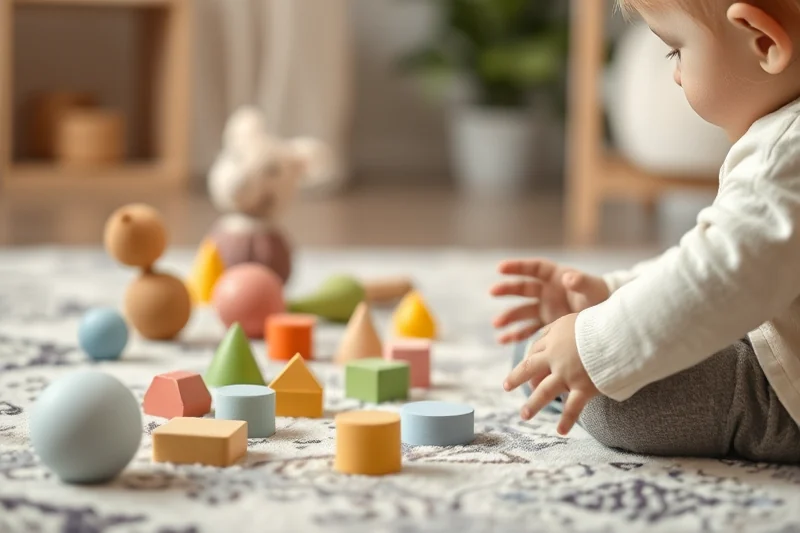
I discovered that repetition is a cornerstone of fine motor development. My son didn't just play with playdough once or twice—he played with it every day for weeks. At first, it was frustrating because he couldn't get the dough to roll into a smooth ball. But with each attempt, he got a little better. Eventually, he was able to make perfect little spheres and even create shapes with his fingers.
The same principle applies to other activities like cutting with safety scissors or using tweezers. Each time he practiced, his hand strength and coordination improved. It wasn't an overnight change, but over time, the progress was clear. He was able to cut straight lines, hold a pencil properly, and even tie his own shoes.
Repetition also helps with muscle memory. When children practice a task multiple times, their brains form stronger neural connections, making the task easier over time. This is why I made a point to include simple fine motor skills routines in our daily routine. Even 10 minutes a day made a difference.[1]
Repetition is the key to mastery.
Related: Fine motor skills schedules checklist
Related: Fine motor skills routines schedules for beginners
Related: Best fine motor skills routines schedules
Related: Best fine motor skills routines
Related: Budget fine motor skills routines
Related: Simple Fine Motor Skills Activities
The Importance of Sensory Input in Fine Motor Skills
I noticed that when my son played with different textures, like sand or playdough, he was more engaged and focused. It was as if his brain was working harder to process the sensory information. This made me realize the importance of including sensory-based activities in fine motor skills routines.
Sensory input helps children develop better hand-eye coordination and improve their ability to manipulate objects. For example, playing with textured materials like rough sandpaper or smooth stones can help them learn how to grasp and release items more effectively. I also saw that when he used materials with different colors, he was more motivated to complete tasks, which made the practice more enjoyable.
I've started incorporating more sensory-based activities into our routine. We now have a small sensory bin filled with rice, beans, and small toys. My son loves digging through it and finding hidden objects. It's not only fun but also helps him develop his fine motor skills through exploration and discovery.
Incorporate items like sand, beans, or fabric into your fine motor activities. These materials provide different sensory experiences and help children develop better control over their hands.
“I remember the first time my son tried to hold a crayon.”— Grippylittle editors
Fine Motor Skills and Cognitive Development
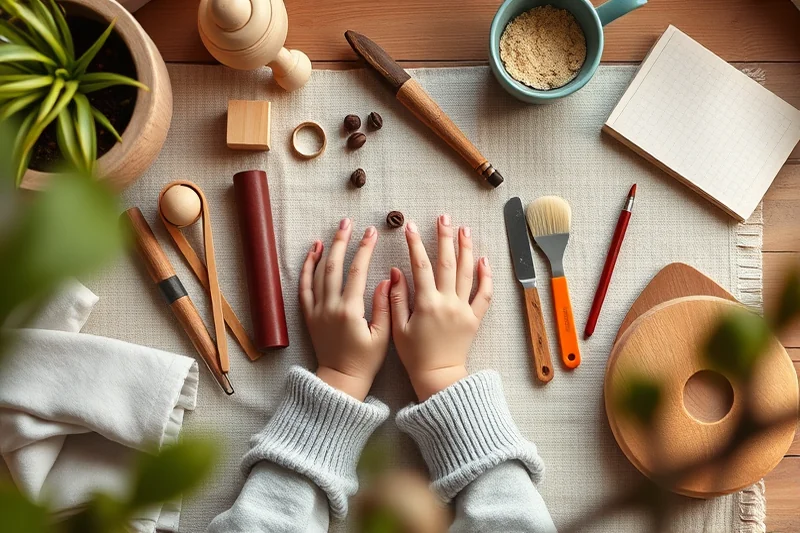
I've noticed that as my son's fine motor skills improved, his cognitive skills seemed to develop as well. He was able to follow more complex instructions, solve puzzles, and even remember more information. It was surprising but also incredibly motivating to see the connection between his hand skills and his thinking skills.
Activities like sorting, counting, and matching not only help with fine motor skills but also support cognitive development. For example, when he sorted different colored beads into containers, he was practicing both hand-eye coordination and color recognition. This kind of play is a win-win for both physical and mental development.
I've also seen that fine motor skills routines that involve problem-solving, like building with blocks or completing mazes, can help children develop critical thinking skills. These activities challenge them to think through solutions and make decisions, which is essential for their overall growth.
Incorporating Fine Motor Skills Into Daily Life
I've found that the easiest way to incorporate fine motor skills routines into our daily life is to make them a part of our regular routine. For example, we now have a 'play time' after breakfast, where we do activities like sorting, threading, or using tweezers. It's a short but effective way to practice fine motor skills without making it feel like a chore.
I also try to include fine motor skills practice during other parts of the day. For instance, when we're cooking, we use tongs to flip pancakes or use a slotted spoon to serve food. These small moments turn everyday tasks into learning opportunities. It's amazing how much progress can be made when these activities are part of a routine.
I've noticed that my son is more motivated to participate when he sees that these activities are a regular part of our day. He looks forward to playtime and even enjoys helping with simple tasks around the house. It's not just about skill development—it's also about building a sense of routine and purpose.
⭐ Classic
The original playdough recipe using simple ingredients like flour, salt, and oil.
💰 Budget
A cost-effective version using household items and minimal ingredients.
⚡ Extra-Fast
An ultra-quick version made with pre-made dough and simple tools for on-the-go play.
✨ Depth
A version that includes sensory elements like sand or beads for added texture and engagement.
🥗 Light
A low-calorie, gluten-free version perfect for those with dietary restrictions.
| The mistake | Why it happens | The fix |
|---|---|---|
| Assuming that any play is enough for fine motor development. | Not all play is equally beneficial. Fine motor skills require specific types of activities, such as grasping, pinching, and manipulating objects. | Choose activities that encourage hand-eye coordination and fine motor control. Look for activities that require precision and small movements. |
| Only focusing on one type of activity. | Variety is important for developing different aspects of fine motor skills. If you focus only on one activity, your child may not develop all the necessary skills. | Incorporate a range of activities into your routine. Mix up activities like threading, cutting, sorting, and grasping to ensure well-rounded development. |
| Not providing enough support or encouragement. | Children need support and encouragement to develop their fine motor skills. If they feel frustrated or unsupported, they may lose interest or become discouraged. | Be patient and encourage your child. Offer praise and support when they try new activities, even if they don't succeed right away. |
| Trying to force your child to do activities they're not interested in. | Forcing your child to do activities they're not interested in can lead to resistance and a lack of engagement. Children are more likely to learn and practice when they're motivated and interested. | Choose activities that your child enjoys. Let them take the lead and explore on their own. This will make the experience more enjoyable and effective. |
What You'll Need tap to check off
- 1 lb flour
- ½ cup salt
- ¼ cup vegetable oil
- 1 cup water
- ½ cup liquid soap
- food coloring (optional) to taste
Method tap a step when done
- In a large mixing bowl, combine the flour, salt, and vegetable oil. Stir until well mixed.
- Gradually add the water, a little at a time, while stirring until a dough forms. If the dough is too dry, add more water. If it's too wet, add more flour.
- Add the liquid soap and food coloring (if using), and mix until the dough is smooth and pliable.
- Knead the dough on a floured surface for about 5 minutes until it becomes soft and elastic.
- Store the dough in an airtight container or wrap it in plastic wrap to keep it from drying out. It can be used immediately or stored for later use.
- Once the dough is ready, let your child play with it, encouraging them to roll, flatten, and shape it into different forms.
Key Facts
Simple Fine Motor Skills Routines
Common Questions
What are the best materials for fine motor play at home?
How often should children practice fine motor skills?
Can fine motor skills be developed in children with special needs?
What are some signs that a child may have poor fine motor skills?
References
- Supporting Children's Learning Through Play - ChildCare.gov (childcare.gov)
- Preschool @ The Center | Mill Valley, CA (cityofmillvalley.gov)
- Module 1A: Outline & Manual Contents (doe.louisiana.gov)
- ECIPs - Physical and Movement - Minnesota Department of Education (education.mn.gov)
- Addressing Fine Motor Skills in Kindergarten through Embedding ... (encompass.eku.edu)
Cite this guide
Grippylittle (2026). Simple Fine Motor Skills Routines. https://grippylittle.com/simple-fine-motor-skills-routines/
Feel free to cite or share this guide.