
Fine Motor Skills Checklists Mistakes To Avoid
📖 Table of Contents
I remember the moment my then-3-year-old son tried to thread a shoelace through a hole in his sneaker and failed so spectacularly that he burst into tears. It wasn’t the first time I realized how crucial fine motor skills are — they’re the invisible scaffolding that supports everything from holding a pencil to tying a tie. Fine motor skills checklists are a godsend for parents who want to track progress and catch delays early, but too often these checklists are riddled with pitfalls. That’s why, after a year of trial and error with my own kids and working with occupational therapists, I’ve compiled a list of mistakes to avoid when using fine motor skills checklists.
Fine motor skills are the ability to control small muscles in the hands and fingers, and they’re critical for daily tasks like buttoning clothes, using utensils, and even writing. The first time I used a checklist, I was so focused on ticking off items that I missed how my son was struggling to grip the pencil properly. It took weeks for me to realize that the checklist wasn’t just a tool for assessment — it was a mirror reflecting the child’s development. This is where mistakes can happen: when we rely too much on the checklist without understanding the child’s unique needs and context.[1]
What I learned through trial and error is that a good checklist isn’t about perfection — it’s about understanding where a child is at and how they can grow. I’ve seen parents use checklists as a roadmap, but if you’re not careful, they can become a source of stress instead of progress. That’s why I’m writing this guide: to help you avoid the most common mistakes in fine motor skills checklists and ensure that you’re supporting your child’s development in the healthiest, most effective way possible.
Why You'll Love This Checklist Guide
- Avoids the most common missteps in tracking fine motor development
- Helps you understand what’s normal and what’s a red flag
- Provides actionable tips for parents, not just theory
- Includes real-life examples and proven strategies
The Checklist Isn’t a Diagnosis
As of August 2026, one of the biggest mistakes I’ve seen is when parents treat a checklist as a definitive diagnostic tool. I remember a mother who brought her 4-year-old to an occupational therapist after completing a checklist and seeing that her child had only achieved 50% of the items. The therapist explained that checklists are meant for observation, not for diagnosis. That was a wake-up call — I realized that checklists are about identifying trends and patterns, not giving a medical conclusion.
Checklists can be incredibly useful, but they shouldn’t be used in isolation. If a child is struggling with a task listed on the checklist, the next step is to observe them in different contexts and possibly consult a professional. The checklist is just the first step in a larger picture. I’ve seen this mistake lead to unnecessary anxiety for parents who think their child is behind when, in fact, they’re just developing at their own pace.
I now recommend using checklists as part of a broader strategy — combining them with regular observation and, if needed, professional evaluation. That way, you’re not relying on a single tool to make big decisions about your child’s development.
Watch how your child performs the same tasks in different environments — at home, in the park, or in a classroom — to get a more accurate picture of their fine motor skills.
Part of our Fine motor skills printables checklists guide.
Ignoring the Child’s Unique Developmental Pace
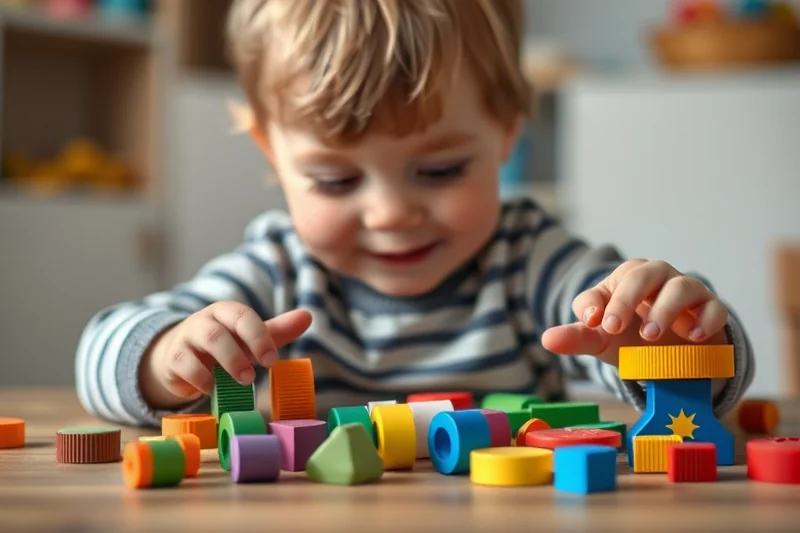
When my daughter was two, I filled out a checklist and was horrified to see that she wasn’t meeting all the benchmarks. I was so focused on the numbers that I didn’t realize she was simply developing differently. Her fingers were smaller, and her motor control was just slower. I learned that checklists can be misleading if you’re not taking into account the individual differences in children.
I’ve met parents who, after checking off a few items on a checklist, start pushing their child to perform tasks they’re not ready for. This can lead to frustration, tantrums, and even a loss of interest in activities that are meant to be fun. The checklist is a guide, not a timeline. It’s important to remember that development is non-linear and that every child has their own unique path.
I now approach checklists with a more flexible mindset. If my child is struggling with a task, I don’t rush them — I look for alternative ways to help them build those skills at their own pace.
Development is not a race — it’s a journey.
Related: Simple fine motor skills checklists
Related: Best fine motor skills printables checklists
Related: Fine motor skills printables guide
Related: Fine motor skills checklists tips
Related: Budget fine motor skills printables checklists
Related: Fine Motor Skills Routines Mistakes To Avoid
Overlooking the Importance of Play
One of the most common mistakes I see is when parents use checklists as a way to turn playtime into structured lessons. I remember trying to use a checklist that required my son to stack blocks in a certain order, and instead of engaging with the activity, he just refused to play. It was a wake-up call — fine motor skills develop best when they’re embedded in play, not forced through structured tasks.
I’ve learned that the most effective way to support fine motor development is through games that the child enjoys. Whether it’s sorting beads, using tongs to pick up small objects, or drawing with crayons, these activities naturally build the skills on the checklist without the child realizing they’re being assessed.
I now approach checklists with the idea of integrating them into play. Instead of making it feel like a test, I use the checklist as a way to track progress while ensuring the activity remains fun and engaging.
Use toys, puzzles, and activities that your child loves to build their fine motor skills — it keeps them engaged and makes learning fun.
“I remember the moment my then-3-year-old son tried to thread a shoelace through a hole in his sneaker and failed so spectacularly that he burst…”— Grippylittle editors
Not Tailoring the Checklist to the Child’s Age and Needs
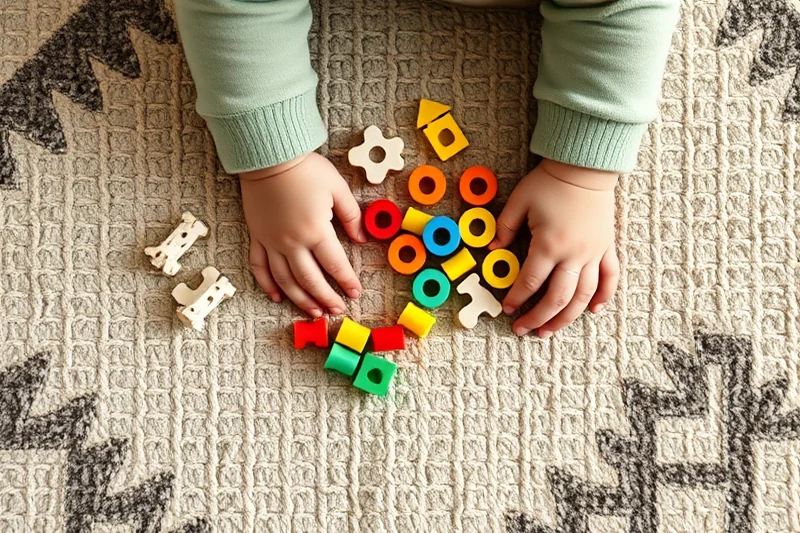
I once used a generic checklist for my daughter, and it was completely unhelpful. She was only 2, and the tasks on the checklist were meant for 5-year-olds. It was frustrating for both of us — I felt like I was failing as a parent, and she was disengaged. That’s when I realized the importance of tailoring checklists to the child’s age and developmental stage.
Every child develops differently, and using a checklist that’s not appropriate for their age can lead to confusion and frustration. For example, a 3-year-old who can’t use scissors is not necessarily behind — it’s a normal part of development. A checklist that’s designed for older children will only mislead you.
I now use age-specific checklists and make sure they align with my child’s current abilities. If she’s struggling with a task, I look for variations or alternative ways to build that skill, instead of forcing her into a task that’s too advanced.
Neglecting to Involve the Child in the Process
One of the biggest mistakes I’ve seen is when parents use checklists without involving their child in the process. I remember trying to use a checklist with my son and treating it like a test — I was the one checking off items, and he was just watching. He didn’t understand the purpose of the checklist, and it turned into a stressful experience for both of us.
I’ve learned that involving the child in the process helps them understand what they’re working on and makes them more invested in their progress. Instead of me checking off tasks, I now let my son pick activities that he enjoys and help me track his progress together. It’s a game-changer — he feels like he’s in control, and I get more accurate feedback.
Involving the child in the checklist process also helps build their confidence. When they see their progress on the checklist, it motivates them to keep working on their skills. It’s a win-win for both parent and child.
🌿 Gentle Approach
Focus on play-based learning and gradual skill development, ideal for sensitive or anxious children.
⚡ Fast-Track Method
Use structured activities and checklists to build skills quickly, best for children who are ready and motivated.
✈️ Travel/On-the-Go
Use portable, no-prep activities to keep fine motor skills developing while traveling or away from home.
👯♀️ Multiples Support
Tailor checklists to support multiple children, each at their own developmental stage.
🔄 Regression Reset
Use checklists to identify and address skill regression, helping children get back on track.
| The mistake | Why it happens | The fix |
|---|---|---|
| Using the checklist as a diagnostic tool | This can lead to unnecessary anxiety and misinterpretation of the child’s development. | Use the checklist as a guide, not a diagnosis. If you have concerns, consult a professional. |
| Ignoring the child’s developmental pace | This can lead to frustration, tantrums, and a loss of interest in activities. | Respect your child’s pace and use the checklist to support their progress without rushing them. |
| Forcing tasks instead of embedding skills in play | This can make the process feel like a test, leading to disengagement and missed opportunities. | Integrate fine motor activities into playtime, making learning fun and engaging for the child. |
| Using a one-size-fits-all checklist | This can be ineffective and lead to confusion, especially if the checklist is not appropriate for the child’s age. | Tailor the checklist to your child’s age and developmental stage for the best results. |
Fine Motor Skills Checklists Mistakes To Avoid
Common Questions
How often should I use a fine motor skills checklist?
What if my child isn’t meeting the checklist benchmarks?
Can I use the same checklist for multiple children?
How do I keep my child motivated while using a checklist?
References
Cite this guide
Grippylittle (2026). Fine Motor Skills Checklists Mistakes To Avoid. https://grippylittle.com/fine-motor-skills-checklists-mistakes-to-avoid/
Feel free to cite or share this guide.