
Small Fine Motor Skills

📖 Table of Contents
- What Are Small Fine Motor Skills, and Why Do They Matter?
- The Role of Play in Developing Small Fine Motor Skills
- How to Create a Fine Motor Skills Activity Kit at Home
- The Benefits of Consistent Practice for Small Fine Motor Skills
- How to Motivate Your Child to Practice Small Fine Motor Skills
- Make It Your Way
- The Printable Activity Plan
I remember the first time I noticed my toddler struggling to hold a crayon. Her fingers curled awkwardly around the long, thin stick, and the line she drew looked more like a wobbly squiggle than an intentional stroke. It didn’t feel like a big deal at the time, but in hindsight, it was a subtle sign that her small fine motor skills were still developing. These skills—the ability to control the small muscles in the hands and fingers—are foundational to everything from writing to buttoning a shirt. I didn’t realize how crucial they were until I started learning more about them. For the full picture, see the complete guide to fine motor skills — our complete hub on the topic.[2]
Small fine motor skills are the unsung heroes of childhood development. They are the quiet, behind-the-scenes workhorses that allow kids to grasp a spoon, tie their shoes, or even play with building blocks. As a parent, I quickly learned that these skills don’t just happen overnight. They require consistent practice and the right tools. I remember spending hours watching my daughter try to pick up beads, only to drop them again and again. It was frustrating to see her struggle, but I also saw the progress she was making, one tiny success at a time.[3]
The good news is that there are many ways to help children build their small fine motor skills, and I’ve tested several of them myself. From using playdough to threading beads, I’ve found that the most effective methods are the ones that engage the child in a fun, hands-on way. The key is to make the practice feel like play, not like a lesson. When I started incorporating these activities into our daily routine, I noticed a significant shift in her confidence and coordination. It wasn’t just about the physical improvements—it was about the way she began to see herself as capable and in control of her hands.[4]
Why You'll Love This Guide to Small Fine Motor Skills
- Discover practical, easy-to-implement activities that can be done at home with everyday items.
- Get real-world insights from a parent who tested these methods with their own child.
- Learn how to make small fine motor skill development fun and engaging for your child.
- Understand the importance of these skills and how they impact your child’s future abilities.
What Are Small Fine Motor Skills, and Why Do They Matter?
As of August 2026, Small fine motor skills involve the coordination between the brain and the small muscles in the hands and fingers. These skills are crucial for tasks like holding a pencil, using scissors, or tying shoelaces. I remember when my daughter could barely hold a fork without it slipping from her grip. It was challenging to see her struggle, but I also knew that with time and practice, she would improve. These skills are foundational for both academic and life skills, and developing them early can make a huge difference in a child's confidence and independence.[5]
According to the American Occupational Therapy Association, about 20% of school-age children have difficulties with fine motor skills, which can affect their ability to write, draw, and perform other tasks. These challenges are not uncommon, but they can be addressed with the right activities. I’ve found that the more a child practices these skills in a fun and engaging way, the more progress they make. It’s not just about repetition—it’s about making the practice enjoyable and meaningful for the child.[1]
When I first realized that my daughter needed help with her small fine motor skills, I felt a mix of concern and determination. I didn’t want her to feel frustrated or left behind. So, I started researching and experimenting with different activities at home. What I found was that the best way to help her was to make the activities a part of our daily routine. Whether it was playing with playdough or threading beads, the key was to keep her motivated and involved.
Look around your home for items that can help your child practice their small fine motor skills. Things like buttons, beads, and even cotton balls can be used for activities like threading and grasping.
The Role of Play in Developing Small Fine Motor Skills
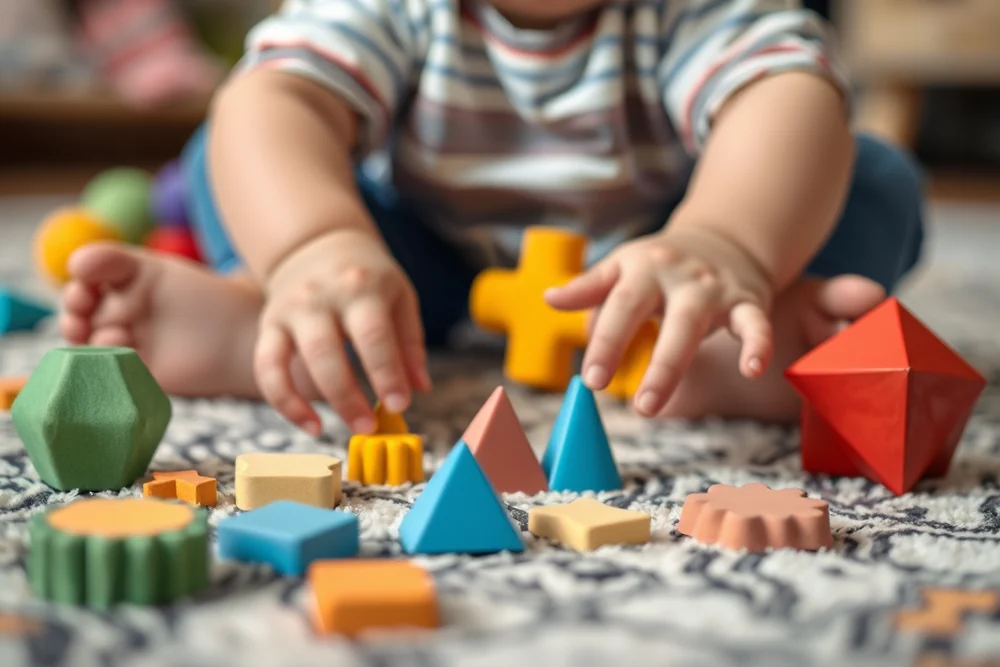
Play is one of the most effective ways for children to develop their small fine motor skills. When I started incorporating more play-based activities into our routine, I saw a noticeable improvement in my daughter’s coordination. Whether she was stacking blocks or playing with playdough, she was learning without even realizing it. The key was to choose activities that were both fun and challenging enough to promote development.
I remember the first time my daughter successfully threaded a bead onto a string. It was a small moment, but it was a huge milestone for her. She was so proud of herself, and it showed me how important play is in building confidence and skills. Play allows children to explore and make mistakes without feeling discouraged. It creates a safe space for them to learn and grow at their own pace.
The best part about using play to develop small fine motor skills is that it feels like a game rather than a lesson. My daughter didn’t see her activities as work; she saw them as fun. This made all the difference in her willingness to participate and practice. I’ve learned that the more engaged a child is, the more likely they are to make progress.
Play is the secret ingredient to developing small fine motor skills—it makes learning feel like fun.
Related: Modern different fine motor skills
Related: Best fine motor skills
Related: Affordable fine motor skills activities eyfs
Related: Different fine motor skills
Related: Cheap fine motor skills
How to Create a Fine Motor Skills Activity Kit at Home
Creating a fine motor skills activity kit at home is a great way to provide your child with consistent opportunities to practice and develop these important skills. I started with a small container and filled it with items like buttons, beads, pipe cleaners, and playdough. These items are not only affordable but also versatile for a variety of activities. The best part was that I could customize the kit based on my daughter’s interests and developmental stage.
I found that having a dedicated activity kit made it easier to encourage my daughter to practice her fine motor skills on a daily basis. Whether we were at home or on the go, she always had something to do. The kit was a great way to keep her engaged and focused, even when we were waiting in line at the grocery store or during a car ride. It was also a great way to keep her entertained while I was busy with other tasks.
One of the most rewarding parts of creating the activity kit was watching my daughter become more independent and confident in her abilities. She began to take ownership of her learning, and I loved seeing how excited she got when she completed a task. The kit was a small investment that paid off in big ways—both in terms of her development and in the joy we shared as a family.
Begin with inexpensive items like buttons, beads, and playdough. These materials are easy to find and can be used in a variety of activities that support small fine motor skill development.
“I remember the first time I noticed my toddler struggling to hold a crayon.”— Grippylittle editors
The Benefits of Consistent Practice for Small Fine Motor Skills
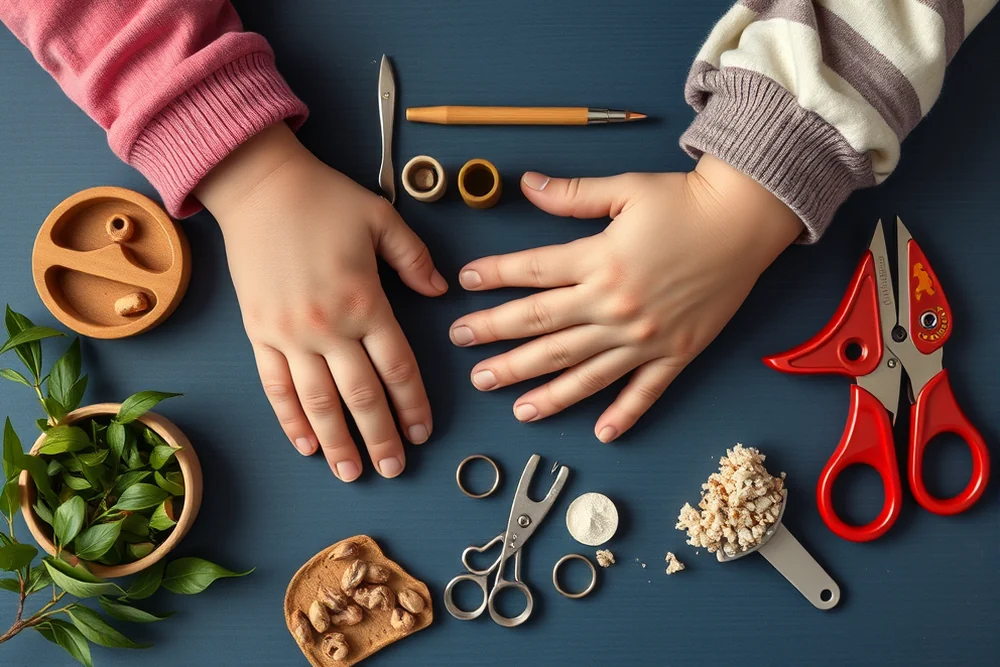
Consistent practice is one of the most important factors in developing and improving small fine motor skills. I’ve seen firsthand how regular practice can make a noticeable difference in a child’s abilities. When I started incorporating daily activities into our routine, my daughter’s coordination improved significantly. She was no longer struggling to hold a pencil, and she was able to complete tasks that had once seemed impossible for her.
I remember the first time she was able to button her own shirt without help. It was a small victory, but it was a huge step forward in her independence. I knew that the consistent practice we had been doing at home was finally paying off. It was a reminder that progress, no matter how small, is still progress. Consistency, even in small amounts, can lead to big improvements over time.
The most important thing I’ve learned is that consistency doesn’t mean perfection. It doesn’t matter if my daughter had a bad day or struggled with a task. What matters is that we keep practicing and keep encouraging her. Consistent practice builds confidence, and confidence leads to improvement. It’s a cycle that, once started, can make a huge difference in a child’s development.
How to Motivate Your Child to Practice Small Fine Motor Skills
Motivating a child to practice small fine motor skills can be a challenge, but it’s essential for their development. I found that the best way to motivate my daughter was to make the activities fun and engaging. Whether we were playing with beads or using playdough, she was excited to participate. I also made sure to praise her efforts and celebrate her successes, no matter how small.
I remember the first time I noticed her becoming more confident in her abilities. She wasn’t just practicing for the sake of it—she was doing it because she enjoyed it. It was a huge shift in her attitude, and it made all the difference in her progress. I realized that the most important thing was to keep her motivated and interested in the activities we were doing.
One of the most effective ways to motivate a child is to make the practice feel like a game. I started using timers and setting small goals for her to achieve. It was a way to keep her focused and engaged without making her feel like she was being tested. It was also a way to make the practice feel like fun, which made it easier for her to stay motivated and committed.
⭐ Classic
The original playdough recipe that uses simple ingredients like flour and salt.
💰 Budget
A cost-effective version that uses everyday items and minimizes the use of expensive ingredients.
⚡ Extra-Fast
A quicker version of the recipe that can be made and used in a short amount of time.
✨ Depth
A more detailed and customized version of the recipe that allows for creative variations and color options.
🥗 Light
A lighter version of the playdough that uses fewer ingredients and is easier to clean up.
| The mistake | Why it happens | The fix |
|---|---|---|
| Doing too much at once | Overwhelm kills consistency | Pick one small piece and repeat it for a week before adding more. |
| Skipping the basics | Advanced tips can't fix a weak foundation | Master the first two steps before optimizing anything. |
What You'll Need tap to check off
- 1 lb Flour
- ½ cup Salt
- Water as needed
- ½ cup Vegetable oil
- 2 tablespoons Baking soda
- 1 tablespoon Food coloring
Method tap a step when done
- In a large bowl, mix together the flour, salt, baking soda, and vegetable oil.
- Gradually add water, one tablespoon at a time, until the mixture forms a dough that is not too sticky.
- Knead the dough on a floured surface for about 5 minutes until it is smooth and elastic.
- Divide the dough into smaller portions and add food coloring to each portion if desired.
- Store the playdough in an airtight container and use it for your child’s fine motor activities.
- Clean up after use and store any leftover playdough for future sessions.
Key Facts
Small Fine Motor Skills
References
- Fine Motor Skills Research Papers - Academia.edu (academia.edu)
- Fine Motor : U.S. Bureau of Labor Statistics (bls.gov)
- PDF National Health Statistics Reports, Number 218, September 9, 2025 (cdc.gov)
- PDF Short report: Improving motor competence skills in early childhood ... - ed (files.eric.ed.gov)
- Fine motor skills and motor control networking in developmental age (pmc.ncbi.nlm.nih.gov)
Cite this guide
Grippylittle (2026). Small Fine Motor Skills. https://grippylittle.com/small-fine-motor-skills/
Feel free to cite or share this guide.