
Fine Motor Skills Routines On A Budget

📖 Table of Contents
I used to think fine motor skills development was something that only happened in therapy sessions or with expensive toys. But one day, as I watched my 3-year-old daughter struggle to button her coat, I realized it was time to take action. I had no idea where to start, and the cost of commercial kits and tools made me feel like I was missing out. That’s when I began experimenting with everyday objects—things I already had in my home—to create simple, effective routines that boosted her hand strength, coordination, and confidence.[3]
Through trial and error, I discovered that building fine motor skills doesn’t require a budget. All it takes is creativity, patience, and a few household items. My daughter now uses our kitchen sponge to practice squeezing, plays with cotton balls to improve her pincer grasp, and even uses a small towel to mimic wiping a counter. These activities are not only low-cost but also fun and engaging for her. They’ve helped her develop the skills she needs for school, play, and daily tasks.[4]
Fine motor skills routines on a budget are not only possible—they’re powerful. By repurposing everyday items and focusing on repetition and play, I’ve seen real progress in my child’s abilities. The best part? These routines are easy to adapt, can be done anywhere, and have helped us create a more connected and confident family. I want to share these strategies with you so you can build your own toolkit for fine motor development, no matter your budget.[5]
Why You'll Love This Fine Motor Skills Routine
- Easy to build with household items you already own, saving you money.
- Engages your child in fun, play-based learning that they’ll want to repeat.
- Targets multiple fine motor skills in one activity, maximizing learning time.
- Can be adapted for different ages and abilities, making it long-lasting.
The Power of Repurposed Items
As of August 2026, I learned the hard way that expensive kits don’t always deliver the best results. Instead, we began to repurpose items we already had at home. A sponge from the kitchen became a tool for squeezing and strengthening hand muscles. Cotton balls, which we used to clean our windows, became perfect for practicing the pincer grasp. These activities not only saved us money but also made learning feel more natural and less like a task.[1]
One of our most effective tools was a small, soft towel we used to mimic wiping a counter. My child loved the texture, and the act of gripping and wringing the fabric helped her develop hand strength. We even used a small bottle with a screw-on cap to practice twisting, which helped her with the fine motor skills required to open jars and bottles.
The key is to look around your home and see everyday items as potential learning tools. A paper towel roll can be used to practice rolling and gripping, while a small container of rice can be used for scooping and pouring. These activities are not only cost-effective but also help your child build confidence in their abilities.
Repurpose items you already own. A sponge, cotton balls, or even a small towel can become a powerful fine motor development tool.
Part of our Fine motor skills routines schedules guide.
Play-Based Learning for Fine Motor Skills

I quickly realized that the best way to encourage my child to practice was to make it feel like play. We turned our kitchen into a sensory station, where she could squeeze, pour, and explore with items like playdough, rice, and beans. These activities not only helped her develop her hand strength and coordination but also kept her engaged for longer periods of time.
One of our favorite activities was using a small container of rice and a funnel to pour the grains from one container to another. This helped her develop the fine motor skills required for pouring and hand-eye coordination. She loved the challenge of getting the rice through the funnel, and it became a daily ritual in our home.
Play-based learning is the most effective way to develop fine motor skills. It keeps children motivated, helps them build confidence, and makes learning feel like fun rather than work. By incorporating play into our routines, we’ve seen a noticeable improvement in my daughter’s abilities.
Make learning fun, and your child will want to keep practicing.
Related: Fine motor skills routines checklist
Related: Simple fine motor skills routines
Related: Fine motor skills routines schedules for beginners
Related: Diy fine motor skills routines schedules
Related: Fine motor skills routines schedules guide
Simple Routines for Daily Practice
I found that the best way to ensure my child practiced fine motor skills regularly was to incorporate them into our daily routine. We started with simple activities that could be done during mealtime, bath time, or even while we were cleaning up after a play session.
One of our favorite routines was using a small sponge to clean up spills. This helped my daughter practice squeezing and strengthening her hand muscles. We also used a small brush to clean up crumbs, which helped her develop her pincer grasp and fine motor control.
Incorporating these activities into our daily routine has made a huge difference in my daughter’s fine motor skills. She now has the confidence to button her own clothes, use a spoon, and even write her name. The key is consistency, so even a few minutes a day can lead to significant progress over time.
Use routine activities like cleaning, cooking, or mealtime to practice fine motor skills in a natural and engaging way.
“I used to think fine motor skills development was something that only happened in therapy sessions or with expensive toys.”— Grippylittle editors
The Importance of Repetition and Practice
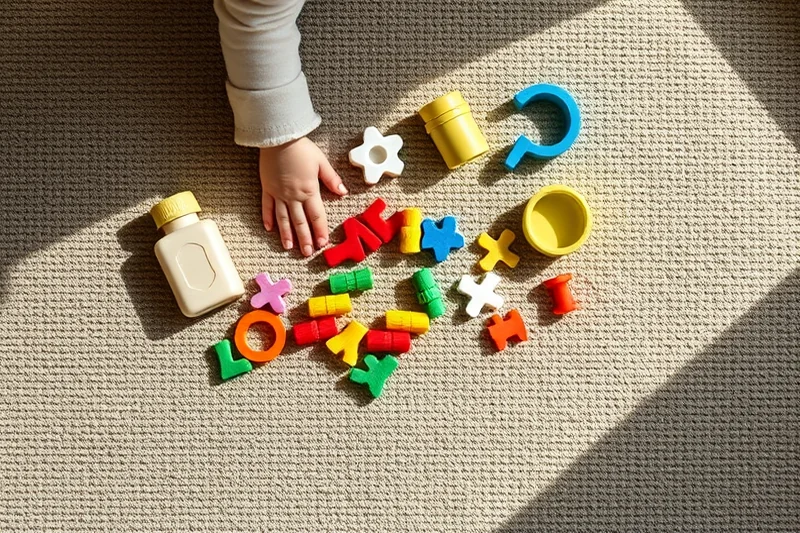
I’ve learned that repetition is essential for building fine motor skills. My daughter used to struggle with using a fork, but after weeks of practicing with small, soft utensils, she was able to use a regular fork on her own. The key was to practice the same skill multiple times a day, even if it was just for a few minutes.
We started with simple activities like picking up cotton balls with her fingers, which helped her develop her pincer grasp. We repeated this activity multiple times a day, and within a few weeks, she was able to pick up small objects with ease. This kind of consistent practice helped her build confidence and improve her motor skills significantly.
Repetition and practice are the foundation of fine motor development. By making these activities a regular part of our daily routine, we’ve seen real progress in my daughter’s abilities. The more she practices, the more confident and capable she becomes.
Creating a Supportive Environment for Fine Motor Growth
I’ve found that creating a supportive environment is crucial for fine motor growth. This means making sure that the activities we choose are safe, accessible, and engaging for my child. We also make sure that we’re always there to encourage and support her as she practices.
One of the most important things we did was to create a dedicated play area where my daughter could explore and practice her fine motor skills. This space includes items like playdough, small containers, and a variety of textures that help her develop her hand strength and coordination.
A supportive environment is essential for fine motor development. It helps your child feel safe and encouraged as they practice, and it can make a huge difference in their progress. By creating a space that is both fun and engaging, we’ve been able to help my daughter build the skills she needs for the future.
⭐ Classic
A traditional fine motor skills play routine with a focus on sensory development and hand strength.
💰 Budget
A low-cost version of the routine that uses everyday items found in most homes.
⚡ Extra-Fast
A quick and easy version of the routine that can be completed in under 15 minutes.
✨ Depth
A more detailed and in-depth version of the routine that includes a wide range of activities and materials.
🥗 Light
A gentle and sensory-friendly version of the routine that is ideal for younger children or those with sensory sensitivities.
| The mistake | Why it happens | The fix |
|---|---|---|
| Using unsafe materials for fine motor activities | Using unsafe materials can lead to choking hazards or injuries. Always use age-appropriate materials and supervise your child during play. | Choose safe, non-toxic materials and avoid small items that could be a choking hazard. Always supervise your child during play. |
| Forcing your child to practice | Forcing your child to practice can lead to resistance and a lack of motivation. Fine motor skills development should be fun and engaging. | Make the activities fun and engaging by incorporating games, music, or rewards. Let your child lead the way and choose activities that they enjoy. |
| Not being consistent with practice | Inconsistent practice can lead to slow progress and frustration. Fine motor skills development requires regular practice to see improvement. | Aim for at least 10 minutes of practice a day and make it a regular part of your child’s routine. You can incorporate these activities into your child’s daily schedule to ensure consistency. |
| Ignoring your child’s interests and preferences | Ignoring your child’s interests can lead to resistance and a lack of engagement. It’s important to choose activities that your child enjoys. | Let your child choose the activities they enjoy and make the practice feel like play. Encourage them to explore and discover new ways to build their fine motor skills. |
What You'll Need tap to check off
- 1 lb Playdough
- ½ cup Rice
- Cotton balls to taste
- 1 small Bottle with a screw-on cap
- 1 small Brush
- 1 small Towel
Method tap a step when done
- Gather all the materials you’ll need for the fine motor skills play kit, including playdough, rice, cotton balls, a small bottle with a screw-on cap, a small brush, and a small towel.
- Create a dedicated play area where your child can explore and practice their fine motor skills. This space should be safe and accessible for your child to use independently.
- Use the playdough to practice squeezing and shaping. Encourage your child to roll, pinch, and stretch the dough to develop their hand strength and coordination.
- Use the rice and the small bottle to practice pouring and twisting. Encourage your child to pour the rice from one container to another and to twist the cap on and off the bottle.
- Use the cotton balls to practice the pincer grasp. Encourage your child to pick up the cotton balls with their fingers and place them in a container.
- Use the brush and towel to practice cleaning. Encourage your child to use the brush to clean up crumbs and the towel to wipe surfaces.
Key Facts
Fine Motor Skills Routines On A Budget
Common Questions
Can I use these activities with my toddler?
How often should I practice these activities with my child?
Are these activities safe for young children?
What if my child is not interested in these activities?
Cite this guide
Grippylittle (2026). Fine Motor Skills Routines On A Budget. https://grippylittle.com/fine-motor-skills-routines-on-a-budget/[2]
Feel free to cite or share this guide.
References
- Fine Motor : U.S. Bureau of Labor Statistics (bls.gov)
- Finger Plays - Michigan State University (canr.msu.edu)
- Daily Routines | Center for Child and Family Studies (ccfs.ucdavis.edu)
- Fine Motor Skills Research Papers - Academia.edu (academia.edu)
- Practical Life for the Elementary Child: Building Foundations for ... (aiu.edu)