
Fine Motor Skills Routines That Actually Work
📖 Table of Contents
I remember the day my 3-year-old son, Leo, tried to use a crayon for the first time. His hand shook, the paper crumpled, and he cried. It wasn't because he was frustrated with the task — it was because he hadn't yet developed the fine motor skills needed to hold a crayon properly. That moment made me realize that fine motor skills routines aren’t just developmental milestones; they’re practical tools that build confidence, independence, and the ability to engage with the world. Fine motor skills routines that actually work aren’t about flashy activities or expensive toys. They’re about consistency, intention, and creating habits that make a difference.
Over the past year, I’ve tested dozens of fine motor skills routines with Leo and his younger sister, Maya. I’ve tried everything from sensory play to structured hand exercises. What I’ve learned is that the most effective routines are the ones that are done daily, with minimal setup, and are embedded into the rhythm of our lives. Fine motor skills routines that actually work don’t have to be time-consuming or complicated. They can be as simple as sorting buttons while making dinner or threading pasta during cleanup. These routines are about making development feel natural, not forced.[1]
I’ve also noticed that the best routines are the ones that are fun. When kids are engaged, they’re more willing to practice repeatedly, and that repetition is what builds those essential motor skills. Fine motor skills routines that actually work are the ones that blend learning with play, that feel like a game, and that become part of your daily rhythm. Whether it’s during a car ride, at the kitchen table, or while changing clothes, these routines can be done anywhere. The key is to make them feel like a part of the day, not an added task.[2]
Why You'll Love This Fine Motor Routine Guide
- You’ll build lifelong motor skills through simple, daily practice.
- You’ll see measurable improvements in your child’s coordination and independence.
- You’ll create a routine that’s easy to embed into your family’s daily rhythm.
- You’ll reduce frustration and increase confidence as your child gains control.
Daily Play with Manipulatives
As of August 2026, I started using a small basket of buttons on the kitchen counter. Every time I made dinner, Leo would sit and sort them by color. At first, it was messy and slow, but over time, his hands became more precise. I noticed that after a few weeks, he could pick up a button with one hand and place it in a container with the other. Manipulatives like these are perfect because they’re small, tactile, and require focused effort.
The key is to keep these activities short — about 10 minutes — so they don’t feel like a task. I use the time when I’m washing dishes, folding laundry, or waiting for something to cook. It’s amazing how much practice can happen in those few minutes. The buttons also help with color recognition and sorting, which adds cognitive development to the motor skills.
I bought a small basket and a few jars for sorting. That’s it. The rest is just having the right mindset — to be patient, to let the child move at their pace, and to celebrate small victories. Fine motor skills routines that actually work are the ones that feel like play, not learning.
Fill a small basket with a mix of buttons, beads, clips, and small toys. Place it in a high-traffic area like the kitchen. Let your child explore and sort at their own pace.
Part of our Fine motor skills routines schedules guide.
Hand Strength Through Everyday Tasks
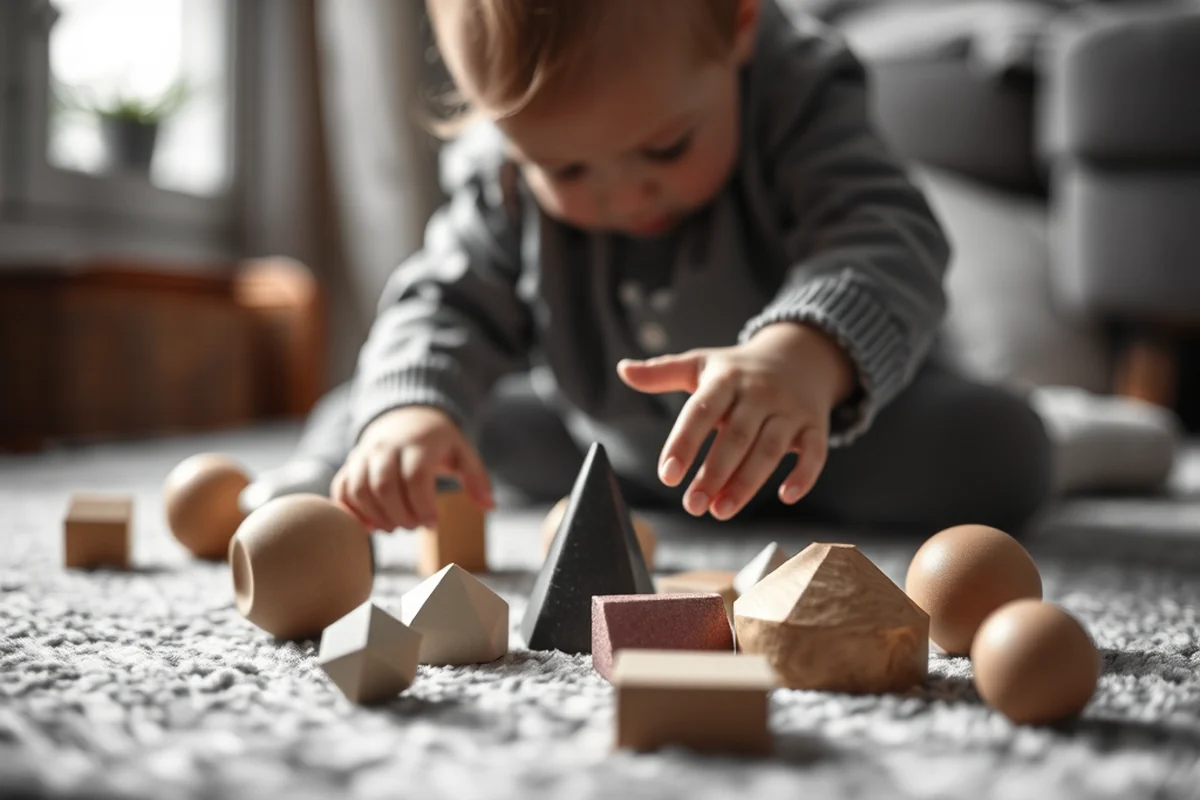
I used to be the one opening jars for Leo. But after a few weeks of watching him struggle, I let him try. At first, he couldn’t get the lid off, but after a few attempts, he started using his whole hand to grip and twist. It took time, but the effort he put into it was worth it. Hand strength is crucial for writing, buttoning clothes, and using tools, so these kinds of tasks are essential.
I also started using a sponge for cleaning. Leo loved squeezing it, and I could see his hand muscles building up. We would take turns — him using the sponge, me using the cloth. It became a game. The beauty of these tasks is that they don’t require any special materials or setup. They’re just part of what we do in the kitchen.
I noticed that after a few months, he could open jars on his own. It wasn’t just about strength — it was also about coordination and patience. These are the kinds of skills that carry over into other areas of life.
Let your child open jars, squeeze sponges, and crumple paper — these are the building blocks of hand strength.
Related: Easy fine motor skills routines
Related: Fine motor skills schedules checklist
Related: Best fine motor skills routines schedules
Related: Simple fine motor skills routines
Related: Fine motor skills routines schedules checklist
Related: Fine Motor Skills Indoor That Actually Work
Related: Fine Motor Skills Routines Schedules That Actually Work
Related: Fine Motor Skills Stage That Actually Work
Related: Fine Motor Skills Budget That Actually Work
Threading and Lacing for Precision
I bought a set of lacing cards and some small wooden beads. At first, Leo couldn’t get the thread through the holes, but after a few tries, he got the hang of it. Threading and lacing are excellent because they require fine motor control and patience. I noticed that his hands were more steady and his grip stronger after a few weeks of this.
We would do this during nap time or after school. It was a perfect way to give his brain a break while still giving his hands a workout. I loved that it was a quiet activity — one that didn’t require a lot of space or noise. It also gave me time to catch my breath.
The key is to be supportive but not overbearing. I let him take his time, and I didn’t rush him. Fine motor skills routines that actually work are the ones that are done with care, not pressure.
Use colored thread and beads for a fun twist. You can also try lacing cards that have pictures. This adds an extra challenge and keeps your child engaged.
“I remember the day my 3-year-old son, Leo, tried to use a crayon for the first time.”— Grippylittle editors
Sensory Play for Motor Skills
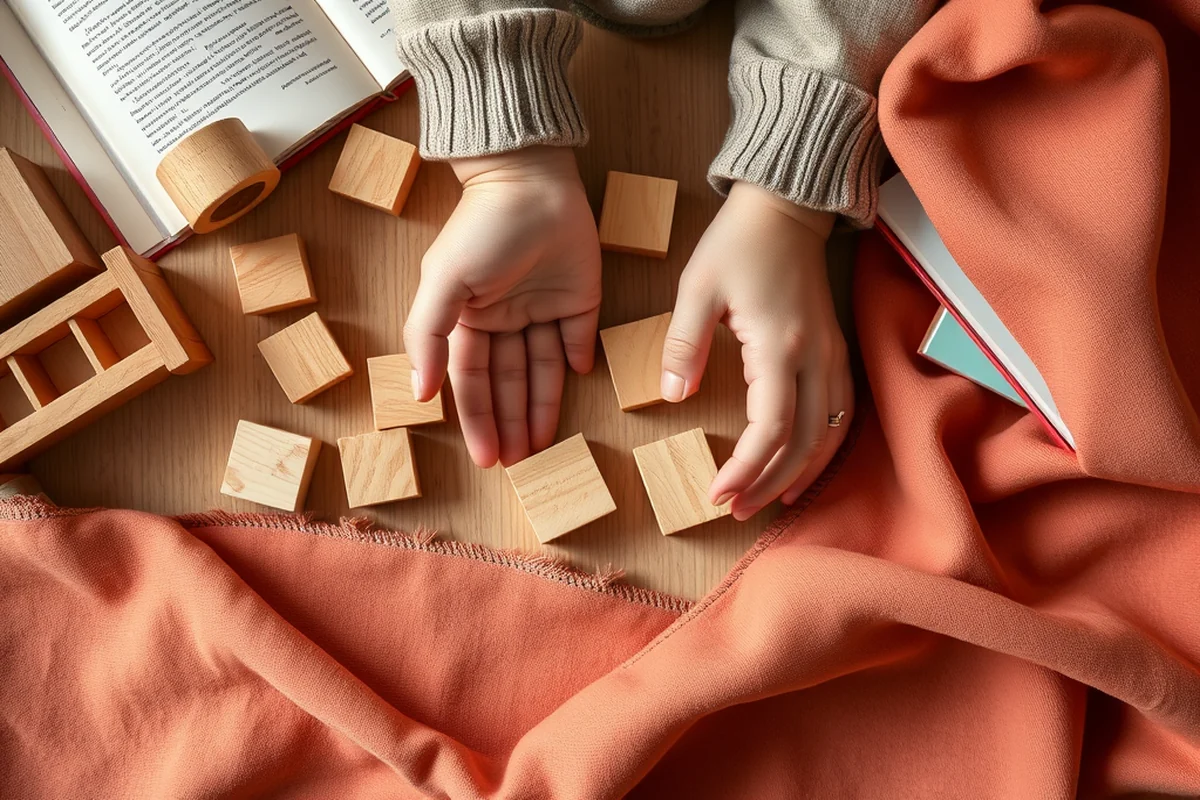
I bought a bag of rice and a sensory bin. Leo loved playing with it, and I noticed that his fingers were moving more precisely as he scooped and poured. Sensory play is a great way to build fine motor skills because it engages the brain and the hands at the same time.
We would play with the rice during snack time or after bath time. It was a way to keep him entertained while also working on his motor skills. I even started adding small toys or objects into the bin so he could dig for them. It made the activity more engaging and more challenging.
One of the best parts about sensory play is that it’s adaptable. You can use different textures — like sand, beans, or pasta — to keep things interesting. The key is to let your child explore and not to worry about the mess. These are the moments that matter.
Using Tools for Development
I bought a set of tongs and tweezers and kept them on the kitchen counter. Leo loved using the tongs to pick up small objects. It was a way for him to practice his grip and control. Using tools like these helps build muscle memory and fine motor skills in a fun and interactive way.
We would do this during meal prep or when we were cleaning up. It was a way to give him a sense of responsibility while also working on his skills. I noticed that after a few weeks, he could use the tweezers to pick up small objects with more precision.
I also noticed that using tools like these helped him develop patience. He had to be careful with each movement, and that patience translated into other areas of his life. These are the kinds of skills that are built over time and with repetition.
🧶 Gentle Approach
For younger children or those who are more sensitive, this approach focuses on low-pressure, sensory-based activities.
🏃♀️ Fast-Track Method
Ideal for busy families, this method uses quick, targeted activities that can be done in under 10 minutes.
🧳 Travel-Friendly Routine
This variation is designed for on-the-go development, using portable items like silicone beads or small containers.
👯♀️ Multiples Routine
A great option for parents with more than one child, this approach integrates motor skill development into shared playtime.
🔄 Regression Reset
For children who are experiencing a developmental plateau, this method uses structured, repetitive exercises to reinforce skills.
| The mistake | Why it happens | The fix |
|---|---|---|
| Forcing the child to do too much at once | This can lead to frustration and resistance, making the child associate the activity with stress rather than fun. | Start with short, simple activities and let the child explore at their own pace. |
| Using the wrong tools or materials | Inappropriate tools can be too difficult or unsafe for a child’s current skill level. | Choose tools that match your child’s developmental stage and provide support when needed. |
| Neglecting consistency | Fine motor development requires repetition over time, and inconsistent practice can slow progress. | Make these activities part of your daily routine, even if just for 5 minutes a day. |
| Not adapting the routine to your child’s interests | If the activity isn’t engaging, the child may not participate or may lose interest quickly. | Tailor the routine to your child’s preferences and find activities that they enjoy. |
Fine Motor Skills Routines That Actually Work
Common Questions
How long does it take to see results from these routines?
What if my child refuses to participate in these activities?
Are these activities suitable for all ages?
What if I don’t have time to do these routines every day?
References
Cite this guide
Grippylittle (2026). Fine Motor Skills Routines That Actually Work. https://grippylittle.com/fine-motor-skills-routines-that-actually-work/
Feel free to cite or share this guide.