
Easy Crafts For Fine Motor Skills

📖 Table of Contents
- Threading Pasta: A Simple Staple for Fine Motor Development
- Sensory Play with Rice and Containers: A Tactile Way to Build Skills
- Using Tweezers to Pick Up Small Objects: A Game Changer for Coordination
- Puzzles and Sorting Games: Building Skills Through Problem Solving
- Cutting with Scissors: A Classic Fine Motor Skill Builder
- Make It Your Way
- Frequently Asked Questions
- The Printable Activity Plan
When my son turned three, he could barely hold a crayon without it slipping through his fingers. It was frustrating, not just for him, but for me as a parent who wanted to help him thrive. I remember one afternoon, after a long day of trying to get him to color or tie his shoes, I found myself searching for 'easy crafts for fine motor skills' online. What I found were mostly vague lists and generic ideas that didn’t seem to work for his tiny hands. It was then I realized that fine motor skills development wasn’t just about the activity itself, but about how the activity was designed for a child’s specific needs. That’s where I started to build my own list of crafts, tested them with him, and now I want to share them with you. For the full picture, see our fine motor skills guide — our complete hub on the topic.[1]
Fine motor skills are the small, precise movements that involve the fingers, hands, and wrists — and they’re crucial for everything from writing to buttoning a shirt. But if you’re like me, you might find that the best fine motor activities are the ones that are both fun and effective. I’ve tried countless crafts over the past few years, from threading pasta to using tweezers for picking up beans. Not all of them worked, but the ones that did were the ones that had clear goals, were engaging, and used items we already had at home. That’s where this article comes in — it’s a collection of easy, real-world crafts that I’ve tested with my son. That you can use to help your child develop their fine motor skills in a way that feels like play, not work.[2]
I want to be clear — this isn’t just a list of ideas. It’s a guide to real, actionable, and fun activities that I’ve tried and refined over time. I’ve spent hours testing these crafts with my son, watching how his fingers moved, what he struggled with, and what he actually enjoyed. Some crafts required just a few minutes and a couple of items from the kitchen, while others needed a bit more setup. But they all had one thing in common: they helped my son build strength and dexterity in his hands. If you’re looking for 'fine motor craft activities' that are both engaging and effective, this is the place to start.[3]
Why You'll Love This Article on Easy Crafts for Fine Motor Skills
- Real, tested activities that are both fun and effective for kids.
- Simple, low-cost materials you probably already have at home.
- Step-by-step guidance that’s easy to follow and replicate.
- Activities tailored for different age groups and skill levels.
Threading Pasta: A Simple Staple for Fine Motor Development
As of August 2026, one of the first crafts I tried with my son was threading pasta onto a string. I used colored pasta from the grocery store and a simple piece of yarn. The goal was to help him practice the pincer grasp — the ability to hold small objects between the thumb and fingers. At first, he struggled, but after a few days of playing with it, his confidence grew. It was amazing to watch his fingers move more precisely as he worked.[4]
What I love about this activity is that it’s incredibly adaptable. If your child is just starting out, you can use larger pasta shapes like star or heart-shaped ones. For older kids or those with stronger hands, smaller pasta like alphabet shapes or even tiny rice-shaped pasta can be used. I’ve also used this activity with kids as young as two and as old as seven — it’s a timeless classic for good reason.[5]
One of the biggest benefits of this craft is that it requires almost no setup. You can grab a bag of pasta from the pantry and a spool of yarn from the craft room. I found that using a wooden skewer or a small dowel as a 'needle' helped my son grip the string better. It’s a simple, yet effective way to help kids build fine motor strength without the need for expensive materials.
If your child struggles with holding the string, a small dowel or wooden skewer can help them grasp it more easily. It also makes the activity more accessible for younger kids.
Sensory Play with Rice and Containers: A Tactile Way to Build Skills
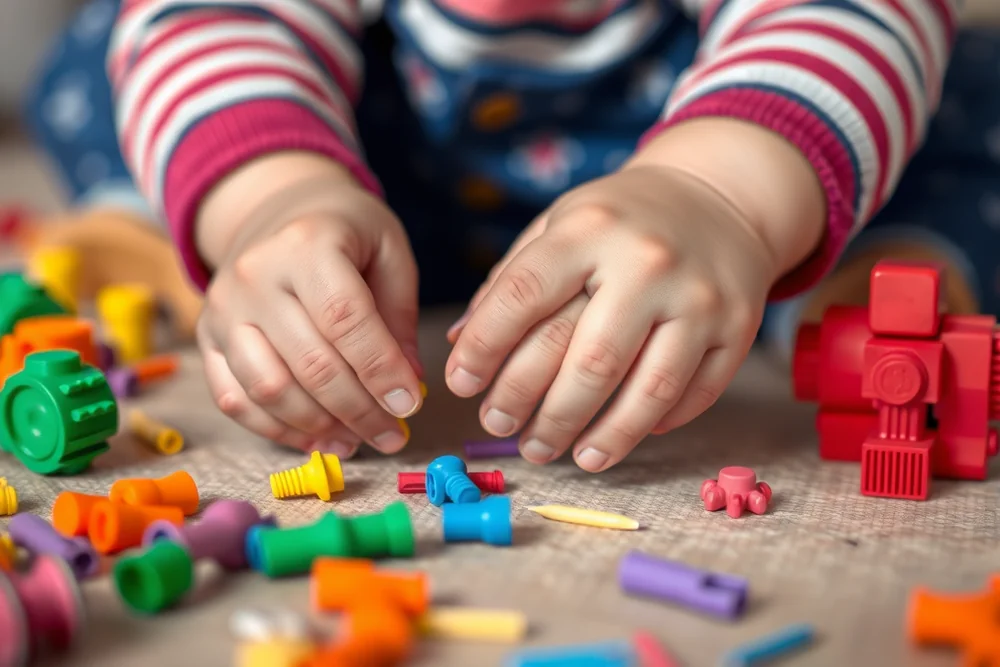
Sensory play is a huge part of early childhood development, and one of the easiest ways to incorporate it into fine motor activities is by using rice and containers. I filled a large bowl with rice and gave my son a small container and a spoon. His job was to scoop the rice from the bowl and pour it into the smaller container. It was a simple activity, but it helped him practice using his pincer grasp and improve his hand-eye coordination.
I found that this activity was especially beneficial for my son’s hand strength. The resistance of moving the rice from one container to another required more effort than just using a spoon to eat. He had to press the spoon into the rice, hold it, and then lift it out — all of which helped build muscle in his hands. I also used different types of containers, like mason jars and cups, to make it more interesting and to encourage him to vary his movements.
Another benefit of this craft is that it can be adapted to different skill levels. For younger kids, you can use larger spoons or even your hands to move the rice. For older children, you can introduce measuring cups or even a sieve to filter the rice. This is a versatile, low-cost activity that you can easily modify to suit your child’s needs.
Fine motor skills aren’t just about hands — they’re about the whole experience.
Related: Cheap crafts for fine motor skills
Related: Fine Motor Skill Activities List
Related: Homemade Fine Motor Activity
Related: Fine motor activity under 30 minutes
Related: Modern different fine motor skills
Using Tweezers to Pick Up Small Objects: A Game Changer for Coordination
I was hesitant to introduce tweezers at first, thinking my son would struggle with them. But I was surprised by how quickly he picked up the technique. I used small objects like beads, buttons, and even small pom-poms and gave him a pair of tweezers. His goal was to pick up each item and place it into a container. It was a simple activity, but the results were impressive — his hands became more precise and his coordination improved.
One of the things I love about using tweezers is that it’s a great way to help kids practice their pincer grasp. The tweezers force the child to use the muscles in their fingers in a way that’s different from just using their whole hand. I found that using a variety of objects kept my son engaged — he would often ask for new things to pick up, like small pieces of foam or even cotton balls.
This activity can be done with almost any small items you have at home — I’ve used buttons from old clothes, beads from craft kits, and even small pieces of confetti. It’s a great way to make use of items you might otherwise throw away. I also found that adding a timer made the activity more fun and competitive for my son.
If your child is just starting out with tweezers, begin with larger objects like buttons or beads. As their skills improve, gradually introduce smaller items like small pom-poms or foam pieces.
“When my son turned three, he could barely hold a crayon without it slipping through his fingers.”— Grippylittle editors
Puzzles and Sorting Games: Building Skills Through Problem Solving
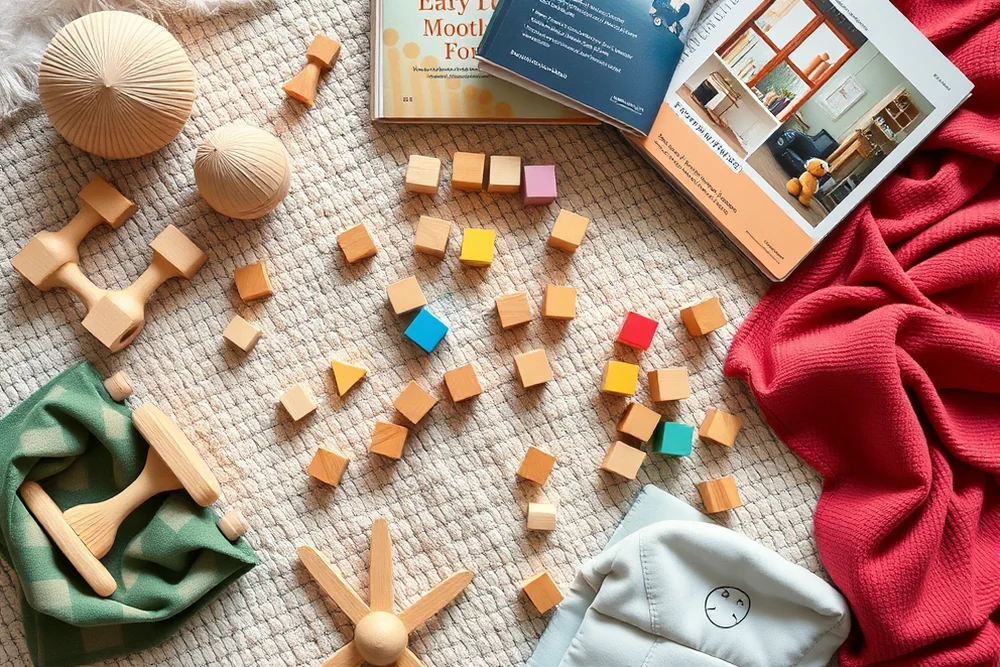
I’ve always believed that puzzles are one of the best fine motor activities for young children. They require precise hand movements, eye-hand coordination, and problem-solving skills — all of which are essential for development. I introduced my son to simple jigsaw puzzles with large, easy-to-grasp pieces. At first, he had a hard time figuring out how to fit the pieces together, but with time and practice, he became more confident.
Sorting games are another great way to build fine motor skills. I used a set of colored blocks and asked my son to sort them by color or size. It was a simple activity, but it helped him practice using his fingers to pick up and move the blocks. I found that this type of activity was especially helpful for improving his hand strength and coordination.
The beauty of puzzles and sorting games is that they can be adapted to different age levels and skill sets. For younger children, you can use large, chunky puzzles with fewer pieces. For older kids, you can introduce more complex puzzles with smaller pieces. I’ve also used sorting games with beads, buttons, and even small pieces of fabric — the possibilities are endless.
Cutting with Scissors: A Classic Fine Motor Skill Builder
I remember the first time my son used scissors. It was a big moment — he was so proud of himself, and I was thrilled to see him developing this essential skill. I started with simple paper shapes and gave him safety scissors. At first, he had a hard time holding the scissors properly, but with practice, he began to use them more effectively.
What I found was that the type of paper used made a big difference. Thicker paper was more challenging but helped build hand strength, while thinner paper was easier to cut but didn’t provide the same level of resistance. I also found that using different types of scissors, like safety scissors and child-sized ones, made the activity more accessible for younger kids.
I’ve also used this activity in combination with other crafts, like cutting out shapes from paper and then using them for collage or drawing. It’s a great way to make the activity more engaging and to encourage creativity. I’ve found that the more fun the activity, the more willing my son was to practice his cutting skills.
⭐ Classic
The original DIY Fine Motor Craft Kit with basic materials for all skill levels.
💰 Budget
A low-cost version using household items and free printable activities.
⚡ Extra-Fast
A quick and easy version that takes less than 10 minutes to set up and play.
✨ Depth
An in-depth version with advanced activities for older children and those with more developed skills.
🥗 Light
A version that uses minimal materials and focuses on gentle, sensory-based activities.
| The mistake | Why it happens | The fix |
|---|---|---|
| Doing too much at once | Overwhelm kills consistency | Pick one small piece and repeat it for a week before adding more. |
| Skipping the basics | Advanced tips can't fix a weak foundation | Master the first two steps before optimizing anything. |
What You'll Need tap to check off
- 1 lb Colored pasta (any shape)
- ½ cup Rice (for sensory play)
- String or yarn (about 2 feet)
Method tap a step when done
- Gather all the materials you'll need for the craft activities — colored pasta, rice, and string.
- For the threading activity, place the pasta in a bowl and give your child a piece of string and a dowel or skewer to use as a 'needle'.
- For the sensory play, fill a large bowl with rice and provide a small container and a spoon for your child to scoop and pour the rice into the smaller container.
- For the tweezers activity, gather small items like beads, buttons, and pom-poms and provide a pair of tweezers for your child to use.
- For the puzzles and sorting games, choose a simple jigsaw puzzle or a set of colored blocks and ask your child to sort them by color or size.
- For the cutting activity, provide safety scissors and paper with simple shapes for your child to cut out and use in other activities.
Key Facts
Easy Crafts For Fine Motor Skills
Common Questions
easy crafts for fine motor skills?
crafts for fine motor skills?
References
- PDF CA PTKLF Physical Development - Resources (CA Dept of Education) (cde.ca.gov)
- PDF Materials Guide: ITERS-3 and ECERS-3 - Bright from the Start (decal.ga.gov)
- Supporting the A in STEAM with Infants and Toddlers (headstart.gov)
- Improving Motor Skills in Early Childhood through Goal-Oriented Play ... (pmc.ncbi.nlm.nih.gov)
- Activities for The Development of Fine Motor Skills in Young Children (schools.shrewsburyma.gov)
Cite this guide
Grippylittle (2026). Easy Crafts For Fine Motor Skills. https://grippylittle.com/easy-crafts-for-fine-motor-skills/
Feel free to cite or share this guide.