
Affordable Fine Motor Skill Activities

📖 Table of Contents
I remember the first time my toddler struggled to hold a crayon. Her small fingers fumbled, and the paper crumpled under her grip. I was horrified, but more than that, I felt helpless. I didn't know where to start, and the idea of expensive therapy or specialized toys felt out of reach. Fine motor skills are essential for everything from writing to buttoning clothes, and I knew I couldn't wait for professional help. That's when I began to explore affordable fine motor skill activities—simple, doable, and effective.
Over the next few months, I tried everything from sorting pasta to threading yarn through straws. Some of these activities were so cheap they felt like a waste of time, while others made a tangible difference in my child's coordination. I learned that fine motor skill development doesn't require a lot of money. It just takes a little creativity, a few everyday items, and a commitment to making playtime purposeful. I want to share what I found with you—because I know how frustrating it can be to feel like you're not giving your child the tools they need.
Affordable fine motor skill activities are not just about saving money—they're about making learning accessible for every family. Whether you're a parent on a tight budget or simply looking for ways to keep your child engaged at home, these activities can be life-changing. I've tested dozens of them, and I want to walk you through the ones that truly work. Let's explore the world of low-cost, high-impact fine motor skill development.
Why You'll Love This Article
- Simple, no-cost activities you can try right now
- Real-life results from tested methods
- Easy-to-follow instructions and creative ideas
- Inspiration to make learning fun and meaningful
Why Fine Motor Skills Matter
As of September 2026, Fine motor skills refer to the coordination of small muscles in the hands and fingers. These skills are crucial for tasks like holding a pencil, tying shoes, and even using utensils. When these skills are underdeveloped, children may struggle in school or feel frustrated during play. I noticed this in my child, who had trouble gripping a crayon and often dropped it mid-drawing.
Developing fine motor skills isn't just about academic success—it's about independence. When a child can button their own shirt or cut paper neatly, they gain confidence and a sense of accomplishment. I saw my child's self-esteem soar when she finally managed to draw a straight line without help. It was a small victory, but it meant the world to her.
The good news is that you don't need expensive tools to build these skills. I found that simple, everyday items like playdough, beads, and even buttons can be incredibly effective. These activities not only strengthen muscles but also improve hand-eye coordination and concentration.
Look around your home for items that can double as fine motor tools. Buttons, rice, and even small toys can be used in creative ways to help your child develop.
Part of our Fine motor skills guide.
The Power of Play
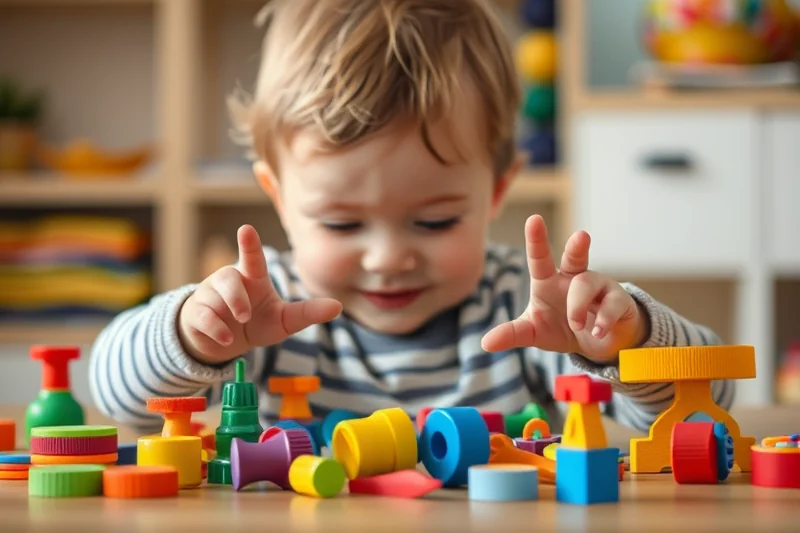
Children learn best when they're having fun. That's why play-based activities are so powerful for fine motor development. I've noticed that my child is more willing to try new tasks when they're framed as games rather than lessons. This makes learning feel less like a chore and more like an adventure.
I once turned a simple activity into a game by hiding small toys in a bowl of rice and asking my child to find them. It was a hit, and she spent nearly an hour digging through the rice, strengthening her fingers and improving her coordination. These kinds of activities can be done with items you already have at home.
Play doesn't have to be complicated to be effective. A few minutes of focused play with the right tools can make a big difference in your child's development. I've seen this firsthand and recommend trying it for yourself.[1]
Play is the most effective way to build fine motor skills.
Related: Homemade fine motor activity
Related: Budget fine motor skill activities
Related: Fine motor skills ideas for families
Related: Fine Motor Skill Activities For Families
The Science Behind It
When a child engages in fine motor activities, they're not just moving their fingers—they're building neural pathways that support learning and problem-solving. Studies show that these activities can boost cognitive development in young children. I found that my child's ability to solve simple puzzles improved dramatically after a few weeks of regular play with small objects.[2]
The brain and body work together during these activities. The more your child practices, the stronger their coordination becomes. I noticed that after a few weeks of regular fine motor play, my child was more confident in her movements and less prone to frustration.
It's not just about physical development—fine motor skills also support language and social development. I've seen my child's communication improve as she became more confident in her ability to manipulate objects and express her ideas.
Even 10 minutes a day of focused fine motor play can make a difference over time. Set a small goal and stick with it.
“I remember the first time my toddler struggled to hold a crayon.”— Grippylittle editors
Related: Simple fine motor skills ideas
Related: Top fine motor skills for beginners
Making It Affordable
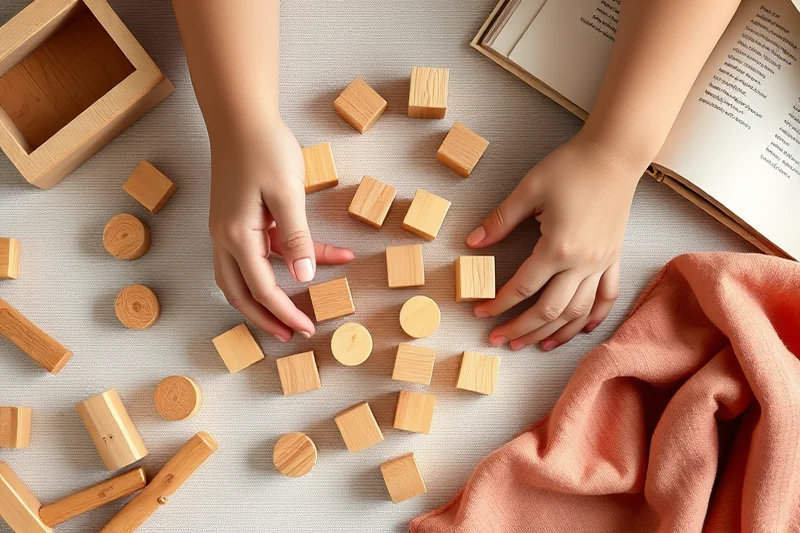
One of the best things about fine motor skill activities is that they can be done with items you already have at home. I've used everything from buttons and beads to playdough and small stones to create engaging activities. This not only saves money but also makes the process more sustainable.
I've made a list of items I've used that cost less than $1 each. These include buttons, beads, small toys, and even kitchen utensils. These items can be repurposed for multiple activities, making them a great investment in your child's development.
You can also find affordable kits online that are designed specifically for fine motor development. Some of these kits are less than $10 and come with a variety of tools and activities. I've tested a few of them, and they've been a great addition to our playtime.[3]
Tracking Progress
Tracking progress in fine motor skills can be incredibly rewarding. I've kept a simple journal where I note how my child is doing with different activities. This has helped me see improvements over time and has also been a great way to celebrate milestones.
I recommend recording your child's progress with photos and notes. This can be a powerful tool for motivation and can also help you identify areas where they might need more support. I've found that looking back at old photos has been a great way to see how much my child has grown.[4]
Tracking progress doesn't have to be complicated. A few minutes each week can make a big difference in how you understand your child's development. It's also a great way to involve your child in their own growth, which can be empowering for them.
⭐ Classic
The original pasta play dough recipe, perfect for first-time makers.
💰 Budget
A version that uses fewer ingredients and can be made with pantry staples.
⚡ Extra-Fast
A quicker version that skips some of the more time-consuming steps.
✨ Depth
A more detailed version with additional tips and tricks for advanced users.
🥗 Light
A lighter, gluten-free version using alternative flours and ingredients.
| The mistake | Why it happens | The fix |
|---|---|---|
| Using too many expensive tools | It's easy to get caught up in buying expensive tools that aren't necessary. These can be a waste of money. | Use everyday items instead. They're often just as effective and much cheaper. |
| Not being consistent with activities | Fine motor skills require practice, and inconsistency can slow down progress. | Set a small goal and stick with it. Even 10 minutes a day can make a difference. |
| Trying to do too much at once | Children can become overwhelmed if they're asked to do too many tasks at once. | Start with simple activities and gradually introduce more complex ones as your child becomes more confident. |
| Ignoring your child's interests | If your child isn't interested in an activity, they're less likely to engage with it. | Choose activities that align with your child's interests to keep them motivated and engaged. |
Affordable Fine Motor Skill Activities
Using Everyday Household Items for Fine Motor Practice
Repurposing items from around the house is an easy and effective way to support fine motor development.
I’ve discovered that a lot of household items can be turned into fine motor tools with a little creativity. Things like bottle caps, buttons, rice, and even pasta can be used in activities like sorting, transferring, and picking up. These materials are not only inexpensive but also easy to clean and reuse. I keep a small bin of these items on our kitchen counter for quick, impromptu motor practice sessions throughout the day.
One of my favorite activities involves using tongs to pick up small objects like pasta or beans and placing them into a bowl. This not only strengthens hand muscles but also improves coordination. I started this with my daughter when she was about two, and now she can do it with both hands, which is a huge milestone. It’s amazing how something as simple as a pair of tongs can turn a mealtime task into a learning opportunity.
I also use old egg cartons for sorting activities. Each compartment can hold a different item, and I challenge my kids to match colors or shapes. This has been a hit with both my children and has kept them busy during long car rides or waiting times. The best thing about these activities is that they don’t require any special equipment — just a bit of imagination and a willingness to get a little messy.
The Role of Fine Motor Skills in School Readiness
Fine motor skills are crucial for school readiness, as they impact writing, cutting, and buttoning. Building these skills early can reduce frustration and boost confidence in young learners.
I’ve seen the difference strong fine motor skills can make in my own child’s school experience — from holding a pencil correctly to tying shoelaces without help. These skills are foundational for academic success and are often overlooked until a child starts kindergarten. I’ve noticed that children who struggle with these tasks often feel frustrated, which can affect their motivation to learn. Early development of fine motor skills can prevent these issues and create a smoother transition into formal education.
When I began incorporating more fine motor activities into our daily routine, I saw a marked improvement in my child’s ability to focus during homework time. Simple tasks like using tweezers to pick up small objects or threading beads onto a string helped build the hand-eye coordination needed for writing. These activities took just 15 minutes a day and made a big difference over time.
It’s easy to underestimate how much fine motor skill development contributes to a child’s independence and self-esteem. When my child successfully laced his shoes for the first time, it was a proud moment that made me realize how important these small victories are. Schools often expect children to have these skills already, so investing time in practice at home can make a significant difference in their confidence and ability to keep up with classroom activities.
Common Questions
How often should I do fine motor activities with my child?
Are there any age-specific activities I should focus on?
Can I use everyday items for these activities?
What if my child is resistant to these activities?
References
- Fine Motor Skills Research Papers - Academia.edu (academia.edu)
- Building fine motor skills and why it matters - MSU Extension (canr.msu.edu)
- PDF Fine Motor Occupational Therapy Activities (cao.jacksonms.gov)
- Supporting Children's Learning Through Play - Childcare.gov (childcare.gov)
Cite this guide
Grippylittle (2026). Affordable Fine Motor Skill Activities. https://grippylittle.com/affordable-fine-motor-skill-activities/
Feel free to cite or share this guide.