
Budget Fine Motor Skills Activities
📖 Table of Contents
When my daughter was two, she would sit for hours trying to thread pasta onto a string, only to end up with a tangled mess. It was both frustrating and delightful to watch her determination, but I couldn’t help but wonder if there were better — and cheaper — ways to build her fine motor skills. I started digging into budget fine motor skills activities, and what I found was surprising: many of the most effective tools could be found in our own homes or at the dollar store. It took some trial and error, but I eventually put together a list of activities that are not only inexpensive but also fun and engaging. The journey was eye-opening and has transformed the way I think about early childhood development.[1]
I remember one particular day when we tried making playdough using flour, salt, and water. It was messy, but it was also magical. My daughter loved the texture and the way it squished in her hands. That moment taught me that the best fine motor activities don’t always need to be fancy. They just need to be tactile, interactive, and, most importantly, within budget. Over the next few weeks, I began collecting ideas from friends, parenting blogs, and even my own experiments. What I discovered was that budget fine motor skills activities can be as simple as using tweezers to pick up small objects or as creative as painting with cotton swabs. These activities are not only affordable but also incredibly effective in helping children develop the muscle control they need for writing, tying shoes, and so much more.[2]
One of the most surprising things I found during my search was how many of the best fine motor tools can be made from everyday items. We turned bottle caps into sorting games, used paper clips as tools for threading, and even made our own sensory bins using rice and small toys. These activities are not only low-cost but also highly customizable. For example, we used dried beans in one bin and pasta in another, each providing a different tactile experience. As I watched my daughter’s confidence grow with each activity, I realized that building fine motor skills doesn’t have to be expensive or complicated. It just takes a little creativity, patience, and the willingness to try something new.[3]
Why You'll Love This Collection of Budget Fine Motor Skills Activities
- These activities are easy to create with items you already have at home or can find affordably.
- They provide real, measurable improvements in hand-eye coordination and dexterity, as I saw in my daughter’s progress.
- They can be tailored to match your child’s interests, whether that’s animals, cars, or even glitter.
- They’re not only cost-effective but also incredibly versatile and can be used repeatedly with different variations.
Making the Most of What You Have at Home
As of August 2026, I started by going through our pantry and drawer, looking for anything that could be turned into a toy or learning tool. I found bottle caps, cotton balls, and even a few old beads that I had saved from crafts. I used these to make sorting games, where the goal was to separate them by color or size. It was a great way to build color recognition and hand strength at the same time.[4]
Another favorite was using a plastic container with small holes cut in the lid for a bead threading game. I used a piece of string, some beads, and a couple of wooden skewers, and we had a simple but effective fine motor exercise. The kids loved watching the beads slide through the holes and even helped me make new containers for the next activity.[5]
I’ve also found that using fabric scraps to make sensory bottles is both fun and educational. By filling them with rice, beans, or even dried pasta, we created a tactile experience that helped improve coordination and concentration. These sensory bottles are great for kids who enjoy fidgeting and need a way to burn off energy while still learning.
Check your kitchen for any small items like beans, rice, or pasta that can be used in sorting or scooping activities. Even small paper clips can be used for threading.
Part of our Fine motor skills guide.
The Power of Playdough and Homemade Crafts

I made a simple playdough recipe using flour, salt, and water, and it was an instant hit. The texture was perfect for little hands, and the kids loved rolling it, squishing it, and shaping it into different forms. It was a great way to build fine motor skills, and the best part was that it cost less than $2 to make.
I also tried making homemade sensory putty using cornstarch and glue. It was a bit messy, but it was also incredibly fun. The kids loved stretching it, squishing it, and even rolling it into little balls. This activity was especially beneficial for improving hand strength and coordination.
Another favorite was using old fabric scraps to make felt pieces for puzzles and matching games. It was a simple way to repurpose old materials and create an educational toy at the same time. The kids loved matching the different shapes and colors, and it was a great way to build both fine motor and cognitive skills.
Playdough and homemade crafts are not only affordable but also incredibly effective in building fine motor skills.
Related: Fine Motor Skill Activities List
Related: Cheap fine motor skills
Related: Homemade fine motor activity
Related: Affordable Fine Motor Skills Activities Eyfs
Related: Modern different fine motor skills
Using the Dollar Store for Affordable Tools
I visited the dollar store and picked up a few items that I had never considered before. I found small wooden beads, which I used for threading activities, and a set of small plastic tongs that were perfect for picking up objects. These items were not only affordable but also durable and could be used for multiple activities.
I also found a variety of small containers, which I used for sorting games. I filled them with different items like buttons, pom-poms, and even small toy cars. The kids loved trying to match the items in the containers and even created their own sorting rules. This was a great way to build both fine motor and cognitive skills.
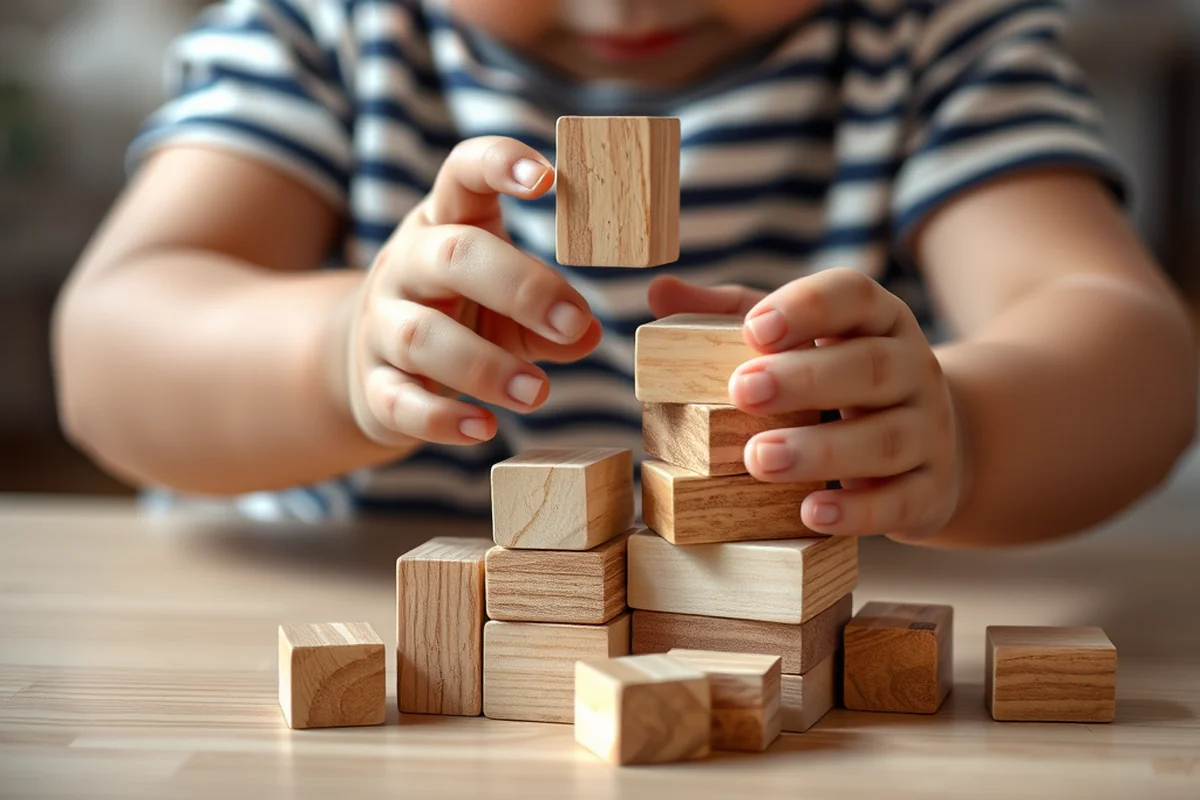
Another favorite was a set of small wooden blocks, which we used to build structures and even create simple puzzles. The kids loved the challenge of figuring out how to fit the blocks together, and it was a great way to build hand-eye coordination and spatial awareness.
Look for small beads, tongs, and sorting containers at the dollar store. These items are often on sale and can be used for multiple activities.
“When my daughter was two, she would sit for hours trying to thread pasta onto a string, only to end up with a tangled mess.”— Grippylittle editors
Outdoor Activities for Fine Motor Development
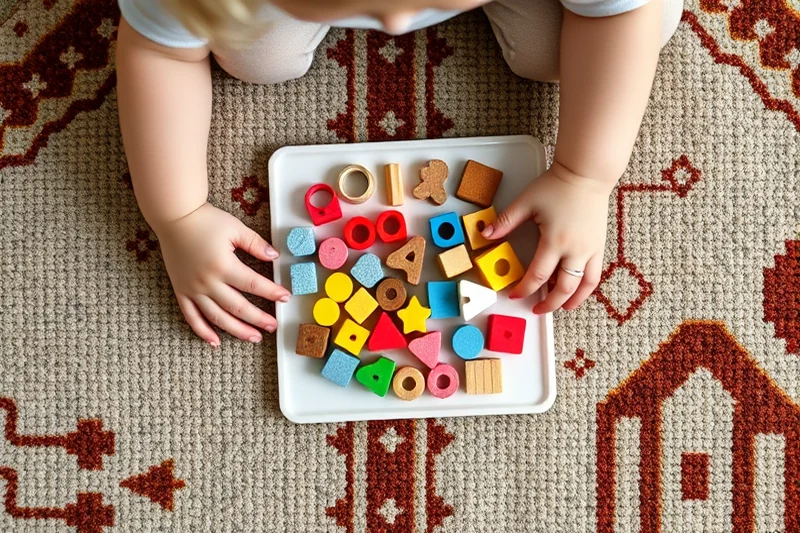
I discovered that using natural items like pebbles, leaves, and sticks can be a great way to build fine motor skills. We used pebbles to create a sorting game, where the goal was to separate them by size and shape. The kids loved the challenge, and it was a great way to build hand strength and coordination.
We also used sticks to create a simple tool for picking up small items. I found a few old craft sticks and tied some string to one end, turning them into a makeshift scoop. The kids loved using it to pick up leaves and other small items, and it was a great way to build hand-eye coordination.
Another favorite was using chalk to draw shapes and letters on the sidewalk. The kids loved tracing the shapes and letters with their fingers, and it was a great way to build both fine motor and cognitive skills. It was also a fun way to spend time together and get some fresh air.
Incorporating Fine Motor Skills into Daily Routines
I started by incorporating fine motor activities into our daily routines. For example, we used a small bowl and a spoon to practice scooping rice, which was a great way to build hand strength and coordination. The kids loved the challenge, and it was a great way to build skills without making a big effort.
We also used a small container and a funnel to practice pouring water, which was a great way to build hand-eye coordination and spatial awareness. The kids loved the challenge, and it was a great way to build skills without making a big effort.
Another favorite was using a small brush and a cup to practice cleaning up. This was a great way to build fine motor skills and also encourage responsibility. The kids loved the challenge, and it was a great way to build skills without making a big effort.
⭐ Classic
A basic playdough recipe using flour and salt for a smooth, easy-to-use texture.
💰 Budget
A cost-effective version that uses common pantry items and no expensive ingredients.
⚡ Extra-Fast
A quick and easy recipe that can be made in under 10 minutes.
✨ Depth
An advanced version with added sensory elements like beads or essential oils for more engagement.
🥗 Light
A lighter, gluten-free version that's perfect for kids with dietary restrictions.
| The mistake | Why it happens | The fix |
|---|---|---|
| Using items that are too small or sharp for young children. | Using small or sharp items can be dangerous for young children and may lead to choking hazards or cuts. | Choose items that are safe for children to handle, such as large beads or soft materials like cotton balls. |
| Not providing enough variety in the activities. | If the activities are too repetitive, children may lose interest and not get the full benefits of the fine motor development. | Try to rotate the activities regularly and use different materials to keep things interesting for your child. |
| Not supervising the child during the activities. | Fine motor activities can be messy and sometimes involve small items that may be swallowed. | Always supervise your child during the activities and make sure that the items used are safe and appropriate for their age. |
| Using items that are not durable or may break easily. | Using items that are not durable may lead to frustration and may not provide the best experience for the child. | Choose items that are durable and can be used for multiple activities. If you're unsure, look for items made from materials like plastic or wood that are more likely to withstand repeated use. |
What You'll Need tap to check off
- 1 lb flour
- ½ cup salt
- water as needed
Method tap a step when done
- In a large mixing bowl, combine 1 lb of flour and 0.5 cup of salt.
- Gradually add water, one tablespoon at a time, mixing until the dough comes together and is no longer sticky.
- Knead the dough for about 5 minutes until it becomes smooth and elastic.
- Store the playdough in an airtight container or plastic bag to keep it fresh for future use.
- For added sensory benefits, you can mix in a few drops of essential oils, food coloring, or even small beads to create a more engaging experience.
- Use the playdough to practice fine motor skills by rolling it into shapes, threading beads, and using small tools like tweezers.
Key Facts
Budget Fine Motor Skills Activities
Common Questions
What are the best fine motor activities for toddlers?
How can I make fine motor activities more engaging for my child?
Are there any fine motor activities that can be done on the go?
What are the benefits of fine motor skills development in children?
References
- Fine Motor Skills Research Papers - Academia.edu (academia.edu)
- Fine Motor : U.S. Bureau of Labor Statistics (bls.gov)
- Building fine motor skills and why it matters - MSU Extension (canr.msu.edu)
- Fine Motor Occupational Therapy Activities (cao.jacksonms.gov)
- Motor Skill Activities | Summer Fine Motor Skill Activities (communitycarecollege.edu)
Cite this guide
Grippylittle (2026). Budget Fine Motor Skills Activities. https://grippylittle.com/budget-fine-motor-skills-activities/
Feel free to cite or share this guide.