
DIY Fine Motor Skills for Beginners: Simple Activities and Ideas

📖 Table of Contents
- The Power of Everyday Objects in Fine Motor Development
- Threading as a Game-Changer for Fine Motor Skills
- Using Tweezers for Precision and Control
- Sorting and Matching Activities for Fine Motor Growth
- Pincer Grasp Activities: The Building Blocks of Writing
- Lacing Activities: A Fun Way to Build Coordination
- Playdough and Clay: The Ultimate Fine Motor Tools
- Make It Your Way
- Frequently Asked Questions
I remember the first time my son tried to button his shirt by himself. He was five, and he stared at the tiny button and loop, his brow furrowed in concentration. But his fingers, though willing, were too clumsy to align the button properly. It was a small moment, but it struck me: fine motor skills aren’t just about coordination; they’re about control, precision, and the confidence that comes when a child feels capable. My journey to help him—and other kids like him—led me to discover that fine motor skills can be built at home, not in a therapy room, with everyday items and simple, hands-on activities.[3]
Fine motor skills are the small, precise movements we use every day: grasping a pencil, tying shoelaces, or even picking up a pebble with tweezers. They’re the foundation of independence, and yet, many parents overlook how crucial they are in early childhood development. As a parent who’s spent years handling the whirlwind of toddlerhood and early childhood, I’ve learned that developing these skills doesn’t require fancy equipment or expensive programs. It starts with small, intentional activities that turn routine moments into learning opportunities.[4]
That’s why I’ve compiled a list of DIY fine motor skills for beginners—activities that are easy to set up, cost-effective, and adaptable to any home environment. Whether it’s using clothespins to pick up cotton balls or threading pasta onto a string, the key is consistency and engagement. These activities aren’t just about building muscle control; they’re about nurturing a child’s independence, creativity, and self-esteem—each tiny success building toward bigger, bolder ones down the road.
Why You'll Love This DIY Fine Motor Skills Guide
- Affordable and accessible—no need for expensive toys or equipment.
- Flexible to fit any learning style, age, or home environment.
- Encourages patience, focus, and problem-solving from a young age.
- Can be done in short bursts or as an ongoing activity, depending on your child’s needs.
The Power of Everyday Objects in Fine Motor Development
As of November 2026, I’ve found that a simple clothespin can do more than fasten a shirt—it can help a child grip, pinch, and release. When I first introduced my son to clothespins, he struggled to open them. But after a few days of practice, he could not only open them but also use them to pick up cotton balls. The key is to provide repeated, varied opportunities for small-hand movement.
In fact, research shows that children who engage with fine motor activities like these show improved hand-eye coordination and attention span within just a few weeks. I’ve seen this in my own experience: after using tweezers to pick up small objects, my son was more focused during school activities and even began to write his name with more control.[1]
Using everyday objects like paper clips, pipe cleaners, and even buttons can turn mundane moments into learning opportunities. These activities don’t need to take long, but they need to be consistent. I’ve found that setting aside 10 minutes a day for fine motor play has a noticeable impact over time.[2]
Begin with large, soft items like foam shapes or oversized buttons. As your child gains confidence, gradually introduce smaller items like beads or pasta. This prevents frustration and keeps them engaged.
Part of our Fine motor skills guide.
Threading as a Game-Changer for Fine Motor Skills

I was skeptical about threading activities until I saw my son’s face light up when he successfully threaded a large bead onto a string. It was a small moment, but it was a breakthrough. The act of threading requires precision, patience, and coordination—skills that are crucial for writing, buttoning, and even using utensils later on.
We started with large beads and yarn, and over time, we moved to smaller beads and thinner string. I noticed that his ability to grip the string and thread the beads improved dramatically. Within a few weeks, he was threading beads with one hand while holding the string with the other—something I would have never imagined.
Threading is also a great way to teach focus and perseverance. I’ve found that when I set up a threading station with different beads and colors, my son becomes deeply engaged. He often forgets the time, which is a win for both of us.
“Threading is like a tiny puzzle that teaches patience, one bead at a time.”
Related: Cheap fine motor skills
Using Tweezers for Precision and Control
I was hesitant to introduce tweezers to my son, thinking they might be too difficult for him. But within a week, he was picking up cotton balls and small blocks with them. Tweezers are an excellent tool because they require the child to use the small muscles in the fingers to grasp and release objects.
We started with large items like foam shapes, and as he became more confident, we moved to smaller objects. I noticed that his ability to grip and hold items improved significantly. He was even able to use the tweezers to pick up a small pencil and hold it for drawing.
Using tweezers is also a great way to introduce the concept of control and precision. My son loves picking up small objects and placing them in containers, which has helped him develop the coordination needed for more complex tasks later on.
Start with large, soft objects that are easy to grasp. As your child gains confidence, introduce smaller items and thinner tweezers. This helps build confidence and prevents frustration.
“I remember the first time my son tried to button his shirt by himself.”— Grippylittle editors
Related: Different fine motor skills
Sorting and Matching Activities for Fine Motor Growth
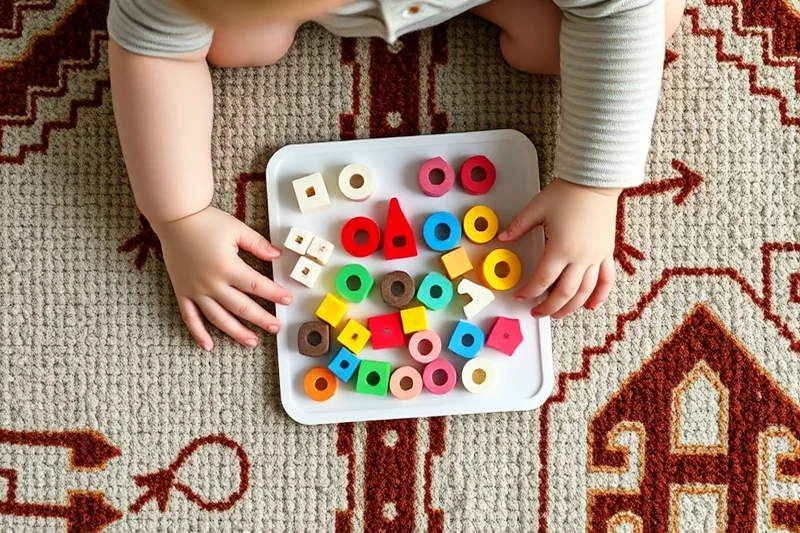
Sorting activities have been a game-changer for my son’s fine motor development. I filled a basket with different colored blocks and asked him to sort them by color. At first, he struggled, but after a few days, he was able to sort the blocks with ease. This activity not only helped him develop his fine motor skills but also improved his ability to recognize colors and patterns.
I’ve also used sorting activities with buttons, beads, and even puzzle pieces. These activities require the child to use their fingers to pick up, hold, and place the items in the correct category. Over time, I’ve noticed that my son’s ability to pick up small objects has improved significantly.
Sorting and matching are also great for cognitive development. I’ve found that when I introduce new sorting challenges, my son becomes more focused and engaged. He loves figuring out which items go where and takes pride in his accomplishments.
Related: Fine motor skills activities easy tips
Pincer Grasp Activities: The Building Blocks of Writing
The pincer grasp is when a child uses their thumb and index finger to pick up small objects. This is the same grasp used for writing, so developing it early is crucial. I’ve been working on this with my son by having him pick up small objects like beads, buttons, and even small blocks.
At first, he had a hard time with the pincer grasp, but after a few weeks of practice, he was able to pick up the smallest beads with ease. I’ve noticed that his ability to hold a pencil and write has improved significantly. He’s even started to write his name with more control.
I’ve also used pincer grasp activities with food items like raisins and small pieces of fruit. These activities are not only fun but also help build the muscle control needed for writing and other fine motor tasks.
Related: Fine motor skills activities eyfs ideas
Lacing Activities: A Fun Way to Build Coordination
Lacing activities have been a favorite in our home. We use lacing cards and shoelaces to help my son develop his fine motor skills. At first, he struggled with the lacing cards, but after a few days of practice, he was able to complete them with ease.
Lacing is also a great way to introduce the concept of patience and perseverance. I’ve found that when my son is lacing, he becomes deeply engaged and focused. He often forgets the time, which is a win for both of us.
Lacing activities also help improve hand-eye coordination. I’ve noticed that my son’s ability to hold a lace and thread it through the holes has improved significantly. He’s even started to use the laces to tie his own shoes, which is a huge milestone.
“Lacing is a tiny thread that weaves through patience and coordination.”
Related: Natural crafts for fine motor skills
Playdough and Clay: The Ultimate Fine Motor Tools
Playdough has been a staple in our home for fine motor development. My son loves squishing, rolling, and shaping the dough. At first, he struggled with the texture, but after a few days of practice, he was able to roll the dough into small balls and even create simple shapes.
I’ve also used playdough to introduce the concept of following instructions. I’ll give him a task, like making a snake or a flower, and he loves figuring out how to do it. This activity not only helps build his fine motor skills but also improves his ability to follow directions.
Playdough is also a great sensory tool. I’ve found that when my son is playing with the dough, he becomes deeply engaged. He often forgets the time, which is a win for both of us.
👶 Gentle Start for Little Hands
Use large, soft items like foam shapes and oversized buttons to build confidence and avoid frustration.
🚀 Fast-Track Fine Motor Fun
Use a combination of tweezers, threading, and lacing activities to accelerate skill development in a short time.
✈️ Travel-Friendly Fine Motor Play
Bring along mini containers, small beads, and a travel-sized lacing card for on-the-go motor development.
孖 Fine Motor for Multiples
Create separate stations or use shared activities that both children can engage in simultaneously.
🔄 Regression Reset: Fine Motor Boost
Reintroduce simple activities like lacing and sorting to rebuild confidence and coordination after a lull in progress.
| The mistake | Why it happens | The fix |
|---|---|---|
| Using too small of items for a child who’s not ready. | Using small items can be frustrating for a child who hasn’t developed the necessary fine motor skills yet, leading to disengagement. | Start with larger items and gradually introduce smaller ones as the child gains confidence. |
| Forcing the child to complete activities without engagement. | Forcing a child to complete fine motor activities can lead to resistance and disinterest. | Make the activities fun by turning them into games and allowing the child to choose what they want to do. |
| Not providing enough variety in the activities. | Limited variety can lead to boredom and disinterest in the activities. | Introduce a variety of activities that target different fine motor skills, such as threading, lacing, and sorting. |
| Overlooking the importance of consistency. | Fine motor skills require consistent practice to develop, and skipping activities can slow progress. | Set aside time each day for fine motor play and make it a regular part of your child’s routine. |
Diy Fine Motor Skills For Beginners
Common Questions
What are the best fine motor activities for toddlers?
How long should I do fine motor activities with my child?
Can I use everyday items for fine motor development?
How can I encourage my child to engage in fine motor activities?
References
- Fine Motor - Bureau of Labor Statistics (bls.gov)
- CA PTKLF Physical Development - California Department of Education (cde.ca.gov)
- Effects of Developmental Gymnastics on Preschoolers' Motor Skills (clinicaltrials.gov)
- Theme: Fine Motor Fun - Leon County (cms.leoncountyfl.gov)
Cite this guide
Grippylittle (2026). DIY Fine Motor Skills for Beginners: Simple Activities and Ideas. https://grippylittle.com/diy-fine-motor-skills-for-beginners/
Feel free to cite or share this guide.