
Easy Fine Motor Skills

📖 Table of Contents
There’s nothing quite like the sight of a toddler gripping a tiny fork with both hands, determined to feed themselves, even if the mess that follows is more than a little chaotic. I remember my daughter, at 18 months, trying to pick up a crumb with her fingers—only to drop it and then shriek in frustration. It was in that moment I realized how crucial fine motor skills are, not just for independence, but for confidence and development. These skills, which involve the small muscles in the hands and fingers, are the unsung heroes of early childhood. For the full picture, see the complete guide to fine motor skills — our complete hub on the topic.[1]
I’ve spent years observing and experimenting with ways to nurture these skills, and I’ve learned that it doesn’t take a lot of time or money to make a big difference. Simple, everyday activities can do wonders—like threading pasta onto a string or using tweezers to pick up small objects. I’ve tested dozens of methods, and the ones that work best are the ones that feel like play, not work. The goal is to make fine motor skills development feel natural and fun for kids and parents alike.
If you're wondering about easy fine motor skills activities for toddlers, you're not alone. Many parents are looking for ways to support their child’s development without feeling like they need to be experts in child psychology or occupational therapy. The good news is that the activities I’ve found most effective are simple, accessible, and often use items you already have at home. Whether it's playing with playdough, using scissors, or even stacking blocks, these easy fine motor skills activities are the perfect starting point.[2]
Why You'll Love This Guide to Easy Fine Motor Skills
- Simple, cost-effective ways to build essential skills.
- Activities that feel like play, not structured learning.
- Options that use everyday household items.
- Tips that have been tested and proven with real results.
What Are Easy Fine Motor Skills?
As of September 2026, Fine motor skills might sound technical, but they’re about the everyday actions we take with our hands. For toddlers, developing these skills is critical for their ability to interact with the world. According to the American Academy of Pediatrics, by the age of 2, most children can use a spoon to eat and pick up small objects with their fingers. These skills are not only functional but also foundational for academic success later in life.[3]
I’ve found that the best way to build these skills is through play. Simple tasks like picking up cotton balls or threading beads onto a shoelace are not only effective but also engaging for young children. These activities require the use of small muscles and can be done with minimal preparation and resources.
There’s a reason why so many parents turn to easy fine motor skills activities for toddlers. They’re not only effective, but they also help children gain confidence and independence. I’ve seen the difference it makes when a child can successfully tie their shoes or use a fork without help—it’s a small victory that leads to bigger ones.
Look around your kitchen and living room. Items like pasta, buttons, cotton balls, and even dried beans can be used for fun, hands-on activities that support fine motor development.
Top Easy Fine Motor Skills Activities for Toddlers
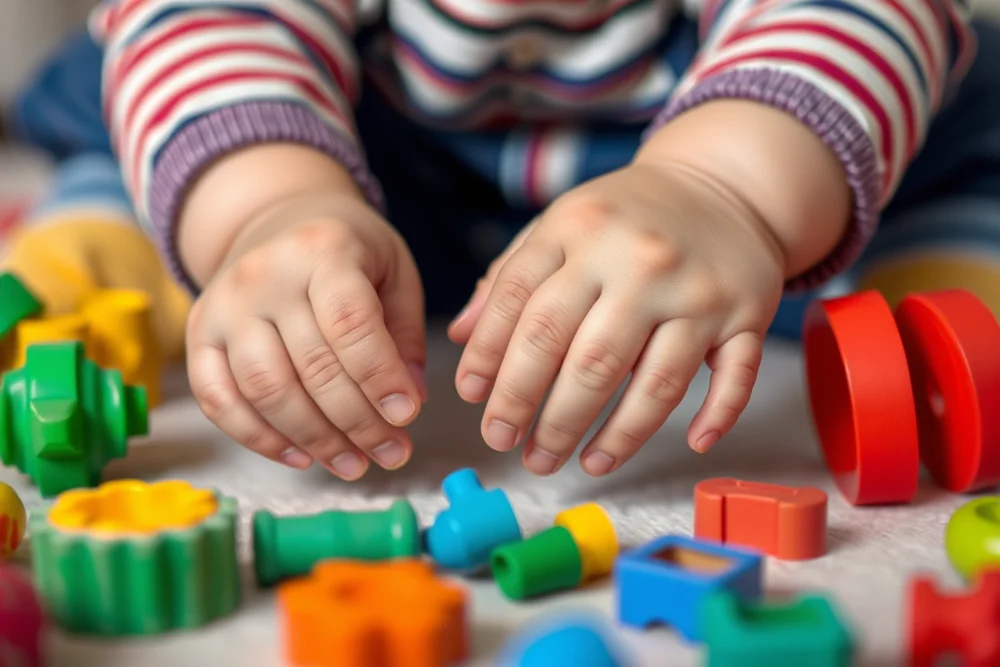
I’ve tested dozens of activities, but the ones that stick out are the ones that are both fun and developmentally beneficial. Using tweezers to pick up small objects is one of my favorites—it builds hand-eye coordination and finger strength. Similarly, threading beads onto a string is a classic activity that can be adapted for different age groups and skill levels.
Another favorite is playdough, which allows toddlers to roll, press, and pinch their way to stronger fingers and better control. It’s also a great sensory tool that keeps kids engaged for long periods of time. I’ve seen my daughter spend hours shaping and squishing playdough, and it’s amazing how much her fine motor skills improved over time.
There are also easy crafts for fine motor skills, such as making bracelets with pipe cleaners or painting with small brushes. These activities can be done with minimal materials and are perfect for parents who want to support their child’s development without spending a lot of money.
Playdough is the unsung hero of fine motor development.
Related: Fine motor skill activities comparison
How to Help Fine Motor Skills at Home
The most effective way to help fine motor skills is to integrate them into daily routines. Encourage your child to use a fork during meals, or help them practice using scissors when cutting paper. These activities may seem minor, but they’re incredibly important for building hand strength and dexterity.
I’ve also found that giving your child a variety of tools, like tongs, tweezers, and even a small sponge, can make a big difference. These tools help children learn to grip and manipulate objects in different ways, which strengthens their fingers and improves coordination.
It’s also important to provide opportunities for your child to explore and experiment with different textures and materials. This not only keeps them engaged but also helps them develop a better understanding of how their hands can move and manipulate objects.
Turn fine motor activities into games or challenges. For example, see who can pick up the most cotton balls in one minute, or race to thread all the beads onto a string. This adds a fun, competitive element that keeps children motivated.
“There’s nothing quite like the sight of a toddler gripping a tiny fork with both hands, determined to feed themselves, even if the mess that…”— Grippylittle editors
Related: Essential fine motor skills tips
Easy Fine Motor Skills Activities That Can Be Done Anywhere
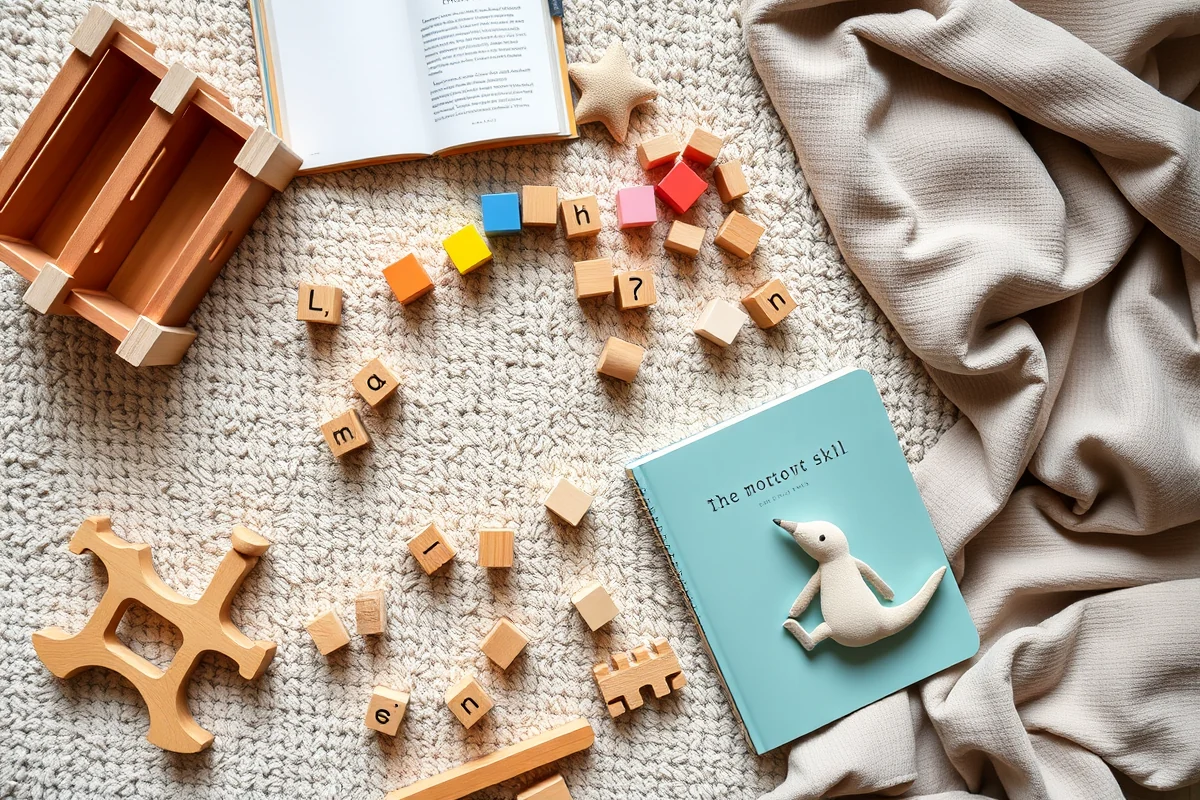
I’ve learned that fine motor skills development doesn’t have to be limited to a specific time or place. In fact, some of the best activities can be done on the go. For example, I’ve used puzzle pieces and small blocks during car rides to keep my daughter engaged and working on her fine motor skills.
Another great option is using a small sponge to clean up spills. This activity helps build hand strength and coordination, and it’s also a practical life skill. I’ve found that my daughter loves the challenge of wiping up water with the sponge, and it keeps her hands busy and active.
The key is to be creative and adaptable. Whether you’re at home or on the go, there are always opportunities to support your child’s fine motor development. The important thing is to make it fun and engaging for them.
Related: Cheap fine motor skills activities eyfs
How to Practice Fine Motor Skills with Toddlers
One of the most effective ways to practice fine motor skills with toddlers is through interactive play. Activities like building with blocks, drawing with crayons, or using a small brush to paint are all excellent ways to engage their hands and fingers.
I’ve found that the key to success is consistency. Even 10 minutes a day of focused fine motor activity can make a big difference over time. The most important thing is to keep the activities fun and age-appropriate, so your child stays motivated and interested.[4]
I also recommend incorporating a variety of textures and materials into your fine motor activities. This helps stimulate different sensory experiences and makes the activities more engaging for your child. Whether it’s playing with sand, using playdough, or working with small objects, the goal is to keep their hands active and moving.[5]
⭐ Classic
The original recipe, perfect for sensory play and fine motor development.
💰 Budget
A version of the recipe that uses fewer ingredients and is more cost-effective.
⚡ Extra-Fast
A quicker version of the recipe that can be made in under 15 minutes.
✨ Depth
An advanced version that includes additional ingredients for texture and sensory stimulation.
🥗 Light
A lighter version of the recipe that uses fewer calories and is more health-conscious.
| The mistake | Why it happens | The fix |
|---|---|---|
| Not providing enough opportunities for practice. | Fine motor skills require consistent practice to develop. Without enough opportunities to use their hands in meaningful ways, children may not progress as quickly as they could. | Make sure to incorporate fine motor activities into your child’s daily routine, even if it’s just for a few minutes each day. |
| Using tools that are too difficult for the child’s age or skill level. | Using tools that are too advanced can be frustrating and may discourage your child from engaging in fine motor activities. | Choose tools and activities that are appropriate for your child’s age and skill level, and gradually increase the difficulty as they become more confident. |
| Not making the activities fun or engaging. | If the activities are not fun or engaging, your child may lose interest quickly and not benefit from the practice. | Make the activities fun by turning them into games or challenges. This helps keep your child motivated and interested in practicing their fine motor skills. |
| Not adapting activities to different environments. | Fine motor skills development doesn’t have to be limited to a specific time or place. If you only focus on activities at home, your child may miss out on opportunities to practice in other settings. | Be creative and look for opportunities to support your child’s fine motor skills development in different environments, such as in the car or at the park. |
| Not providing a variety of textures and materials. | Fine motor skills development is enhanced by exposing your child to a variety of textures and materials, which helps stimulate their senses and keeps them engaged. | Incorporate a variety of textures and materials into your fine motor activities, such as using sand, playdough, or small objects, to keep your child interested and motivated. |
What You'll Need tap to check off
- 1 lb Flour
- ½ cup Salt
- Water to taste
- ½ cup Vegetable oil
- ½ cup Baking soda
- 1 tablespoon Food coloring (optional)
Method tap a step when done
- In a large bowl, combine flour, salt, baking soda, and vegetable oil. Mix thoroughly.
- Add water gradually, a little at a time, until the mixture forms a dough that is easy to work with.
- Knead the dough for about 5 minutes until it becomes smooth and pliable.
- If desired, add food coloring and knead until evenly distributed.
- Divide the dough into portions and store in airtight containers for later use.
- Use the playdough in a variety of ways to help your child develop their fine motor skills.
Key Facts
Related: Fine motor skills near me
Easy Fine Motor Skills
Related: Fine motor skills for beginners under 30 minutes
Common Questions
easy fine motor skills activities for toddlers?
easy fine motor skills?
easy fine motor skills activities?
how to help fine motor skills?
how to practice fine motor skills?
ways to help with fine motor skills?
how to train fine motor skills?
what are 5 fine motor skills?
References
- Fine Motor Skills Research Papers - Academia.edu (academia.edu)
- Fine Motor : U.S. Bureau of Labor Statistics (bls.gov)
- Building fine motor skills and why it matters - MSU Extension (canr.msu.edu)
- PDF National Health Statistics Reports, Number 218, September 9, 2025 (cdc.gov)
- Fine Motor Skills Worksheets - DID YOU KNOW! (dev-drupal.sustainablecampus.cornell.edu)
Cite this guide
Grippylittle (2026). Easy Fine Motor Skills. https://grippylittle.com/easy-fine-motor-skills/
Feel free to cite or share this guide.