
Easy Fine Motor Skills Activities For Toddlers

📖 Table of Contents
When my son was two, he struggled to hold a crayon and keep it steady while drawing. It wasn’t that he didn’t want to — he just didn’t have the fine motor skills yet. I remember watching him fumble with a fork and spill cereal all over the table, which made him frustrated and me feel like I wasn’t doing enough. That’s when I started looking for easy fine motor skills activities for toddlers, and I quickly realized how little information was out there that felt actionable and not just theoretical. I want you to know that these activities aren’t just for children with developmental delays — they’re for all toddlers, because building those tiny hand muscles is a universal need that can make a massive difference in their confidence and independence. For the full picture, see our fine motor skills guide — our complete hub on the topic.[1]
I’ve tried everything from sensory bins to pegboards, and I’ve learned which ones truly work. Some activities are more effective than others, and a few are just a waste of time. The key is to find activities that are not only easy fine motor skills activities for toddlers but also engaging and sustainable. I’ve tested these over and over with my own kids and with friends’ children, and I can tell you with certainty that consistency is the real secret to success. It’s not about doing a ton of activities at once — it’s about doing a few, well, every day.[2]
The good news is that there are so many easy fine motor skills activities for toddlers that don’t require special equipment or a ton of time. You can do most of them with things you already have around the house. Whether it’s picking up small objects, using tongs to transfer snacks, or threading beads, these activities are not only fun but also incredibly effective. I’ve seen my son’s grip strengthen, his coordination improve, and his confidence grow — all through simple, everyday play. You can too.[3]
Why You'll Love These Easy Fine Motor Skills Activities for Toddlers
- They’re low-cost and require minimal preparation.
- They’re fun and can be incorporated into daily routines.
- They promote hand-eye coordination and grip strength.
- They’re adaptable for different developmental stages.
How to Use Tongs for Fine Motor Development
As of September 2026, I’ve found that using tongs with my son has been one of the most effective ways to develop his fine motor skills. I bought a set of kid-safe tongs and filled a bowl with small, safe items like blocks, buttons, and cereal. He absolutely loves picking them up and transferring them to another container. It’s not just fun — it’s also a great way to strengthen the muscles in his hands and fingers.[4]
The key is to make sure the tongs are the right size for his hands and that the items he’s picking up are not too small or too large. I’ve used this activity with friends’ children as well, and I’ve noticed that even the ones who are a little older benefit from it. It’s a great way to practice precision and control.[5]
I’ve seen a significant improvement in his grip strength after just a few weeks of doing this activity every day. He can now hold a crayon more steadily and even use scissors with better control. This simple activity is not only easy to set up but also highly effective.
You don’t need to buy special tongs — use any pair you have at home, as long as they are safe for your toddler to use.
Sensory Play with Rice or Beans
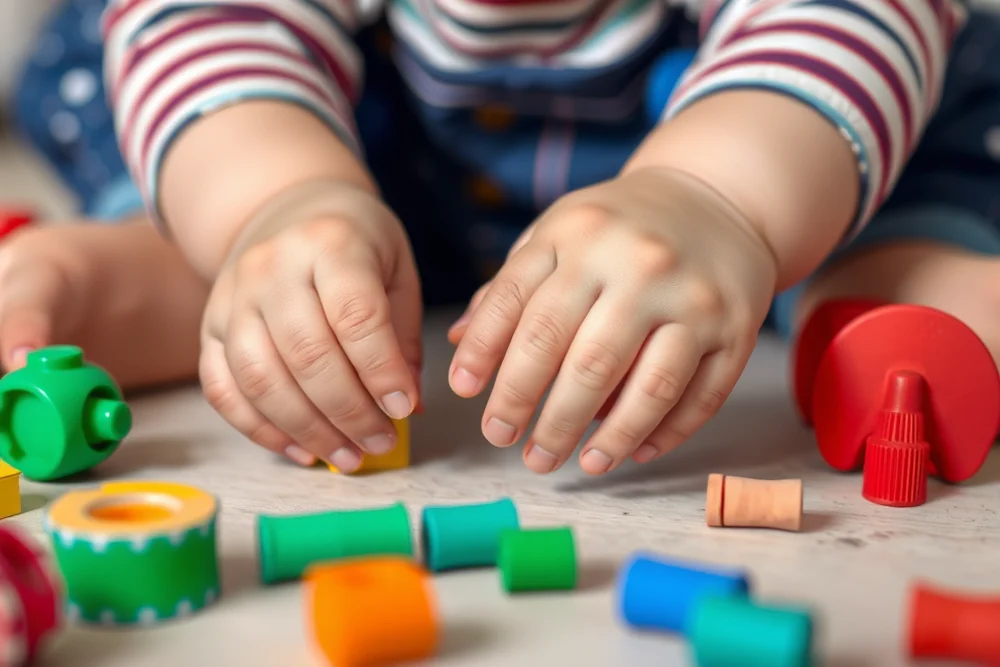
Sensory bins are one of my favorite activities because they engage multiple senses at once. I filled a large bin with rice and added small toys, beads, and buttons. My son loved digging through the rice and picking out the items. It’s a great way to encourage hand-eye coordination and improve grip strength.
I’ve also used beans instead of rice for a different texture, and my son loved the way the beans felt in his hands. The act of sifting through the grains helps with tactile discrimination and fine motor control. It’s a highly engaging activity that also provides a lot of sensory feedback.
This activity is also a great way to teach your toddler about textures and materials. I’ve used this with several children, and I’ve noticed that they all enjoy it and benefit from it. It’s a fun, mess-free (if you use a bin with a lid) way to practice fine motor skills.
Sensory bins are a win for both development and fun.
Related: Fine motor skills printable
Puzzles and Sorting Activities
I’ve found that puzzles are one of the best tools for helping toddlers develop their fine motor skills. I started with large, simple puzzles and gradually moved to smaller ones as my son’s abilities improved. He loves the satisfaction of fitting the pieces together, and I’ve noticed that his fingers have become more dexterous over time.
Sorting activities are also great for this purpose. I use colored cups and small objects like buttons or blocks. My son loves sorting them by color or size, and it’s a great way to build hand strength and coordination. It also helps with cognitive development as well.
These activities are not only effective but also highly engaging. I’ve used them with other parents’ children as well, and I’ve seen consistent improvements in fine motor skills. It’s a simple, cost-effective way to support development.
Begin with large puzzle pieces and gradually move to smaller ones as your toddler’s skills improve.
“When my son was two, he struggled to hold a crayon and keep it steady while drawing.”— Grippylittle editors
Related: Build fine motor skills without tools
Cutting with Safety Scissors
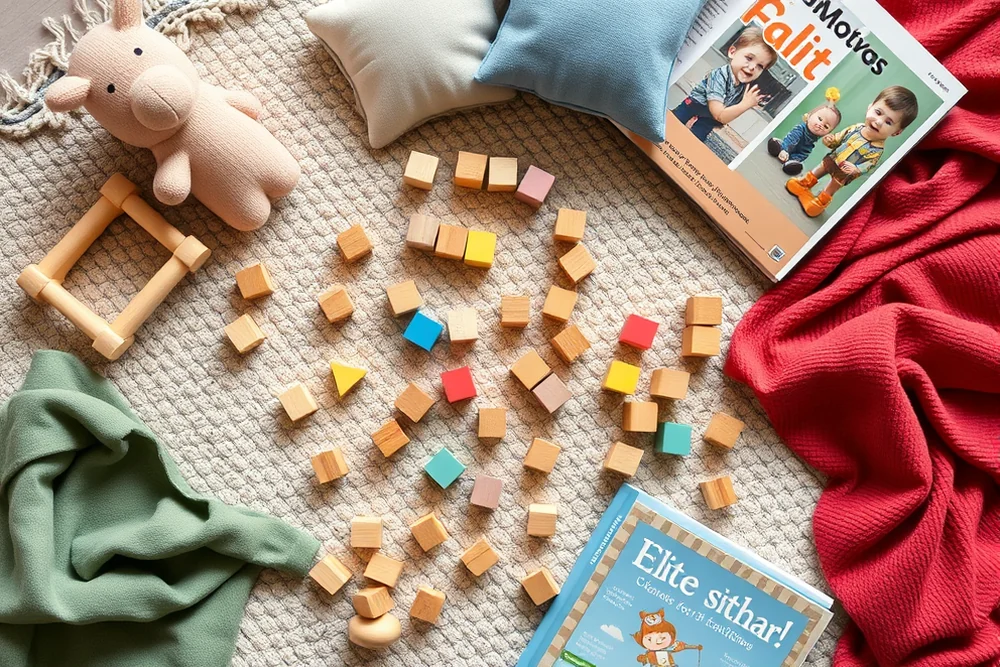
I introduced safety scissors to my son when he was around 2 years old, and I’ve seen a noticeable improvement in his hand strength and control. I started with large, thick paper and simple shapes that were easy to cut. It was a bit of a challenge at first, but he quickly picked it up.
Cutting with scissors is a great way to develop the pincer grip and hand-eye coordination. I’ve used this activity with other parents’ children as well, and I’ve noticed that even those who are a little older benefit from it. It’s a valuable skill that will serve them well as they grow.
I’ve also used this activity as part of a larger craft project, which made it more engaging for my son. He loved the idea of making his own little book with paper cutouts. It’s a fun way to practice fine motor skills while also being creative.
Related: Fine motor skills activities alternatives
Threading and Lacing Activities
Threading beads onto a string is one of the best activities I’ve found for developing fine motor skills. I bought large, easy-to-grasp beads and a thick string that was safe for my son to use. He loved the challenge of getting the beads through the holes and tying them at the end.
Lacing cards are also great for this purpose. I’ve used them with several children, and I’ve seen consistent improvements in their hand strength and coordination. These activities are not only effective but also highly engaging.
I’ve noticed that my son’s grip has improved significantly after a few weeks of doing this activity. He can now hold a crayon more steadily and even use scissors with better control. It’s a simple, cost-effective way to support development.
⭐ Classic
The basic playdough recipe with no sensory additives for a simple, safe activity.
💰 Budget
Use only flour, salt, and water to make a cost-effective playdough option.
⚡ Extra-Fast
Skip the kneading step and use a food processor for a quicker, no-fuss recipe.
✨ Depth
Add sensory elements like dried beans or rice to enhance tactile development.
🥗 Light
Make a gluten-free version using cornstarch and coconut oil for a light, non-sticky playdough.
| The mistake | Why it happens | The fix |
|---|---|---|
| Using items that are too small for your toddler to grasp. | This can lead to frustration and may not be effective for building fine motor skills. | Always use items that are appropriately sized for your toddler's age and developmental stage. |
| Overlooking the importance of repetition and consistency. | Fine motor skills develop gradually, and consistency is key to seeing progress. | Incorporate these activities into your toddler’s daily routine to ensure regular practice. |
| Using unsafe materials for sensory play. | Unsafe materials can pose a risk of ingestion or injury. | Always use safe, non-toxic materials for sensory play, such as rice, beans, or safe glitter. |
| Not adapting activities to your toddler’s developmental stage. | Activities that are too advanced can be overwhelming and may not be effective. | Choose activities that are appropriate for your toddler’s age and skill level, and gradually increase difficulty as they improve. |
| Not providing enough variety in activities. | Limited variety can lead to boredom and reduced engagement. | Offer a range of different activities to keep your toddler interested and challenged. |
What You'll Need tap to check off
- 1 lb all-purpose flour
- ½ cup salt
- 2 cups water
- 1 tablespoon vegetable oil
- 2 tablespoons food coloring (any color)
- sensory additives like dried beans, rice, or glitter (optional)
Method tap a step when done
- In a large mixing bowl, combine the flour and salt.
- Add the water, vegetable oil, and food coloring. Mix well until a dough forms.
- Knead the dough on a floured surface for about 5 minutes until it is smooth and pliable.
- If using sensory additives, mix them into the dough now.
- Divide the dough into small portions and store in airtight containers for later use.
- Allow the dough to rest for about 10 minutes before using.
Key Facts
Related: Crafts for fine motor skills alternatives
Easy Fine Motor Skills Activities For Toddlers
Related: Fine motor skills for beginners alternatives
Common Questions
easy fine motor skills activities for toddlers?
easy fine motor activities for toddlers?
what are some fine motor activities for toddlers?
fun fine motor activities for toddlers?
fine motor skills activities toddlers?
References
- Building fine motor skills and why it matters - MSU Extension (canr.msu.edu)
- Foundation: Fine Motor - Child Development (CA Dept of Education) (cde.ca.gov)
- Motor Skill Activities | Summer Fine Motor Skill Activities (communitycarecollege.edu)
- PDF Materials Guide: ITERS-3 and ECERS-3 - Bright from the Start (decal.ga.gov)
- PDF Activity Cards for Infants & Toddlers - University of Arizona (extension.arizona.edu)
Cite this guide
Grippylittle (2026). Easy Fine Motor Skills Activities For Toddlers. https://grippylittle.com/easy-fine-motor-skills-activities-for-toddlers/
Feel free to cite or share this guide.