
Fine Motor Activities
📖 Table of Contents
- The Power of Play in Fine Motor Development
- The Role of Repetition in Building Skills
- The Importance of Sensory Stimulation
- How to Create a Fine Motor-Friendly Environment
- The Connection Between Fine Motor Skills and Language Development
- The Impact of Fine Motor Activities on Emotional Regulation
- The Long-Term Benefits of Early Fine Motor Development
- Make It Your Way
- Frequently Asked Questions
I remember the day my daughter tried to pick up a small toy with her fingers and missed completely, her frustration bubbling over in a way that made me realize how much fine motor development plays into everyday life. Fine motor activities — those little, seemingly simple tasks that involve the small muscles in our hands — are crucial for children’s growth, yet they’re often overlooked in favor of bigger, flashier developmental milestones. They’re the quiet heroes of early learning, helping kids grip a pencil, fasten a shoe, and eventually write their names.[1]
As a parent, I quickly learned that fine motor activities are not just about dexterity; they’re about confidence, independence. The kind of satisfaction that comes from mastering a task that once seemed impossible. Whether it’s threading beads, stacking blocks, or using tongs to pick up pasta, these exercises shape a child’s ability to interact with the world. The first time my child successfully used a clothespin to clip a peg, it was a moment of pride that didn’t just come from her accomplishment — it came from the progress we had made together.
Fine motor activities are also deeply tied to learning outcomes. Studies show that children who engage in these exercises early on are more likely to perform better in school, especially in tasks that require writing and coordination. I’ve seen this firsthand in the way my child now handles scissors, folds paper, and even holds a crayon without frustration. These are not just skills — they’re the foundation of future success, and they start with the little things we do at home every day.[2]
Why You'll Love This Article
- Discover 10+ practical, research-backed fine motor activities that are easy to do at home with everyday items.
- Learn how to tailor activities for different developmental stages, from toddlers to school-age children.
- Get insight into the hidden cognitive and emotional benefits of fine motor development.
- Avoid common mistakes that can hinder a child’s progress and keep them motivated.
The Power of Play in Fine Motor Development
As of September 2026, I once thought that fine motor activities needed to be structured or educational, but I was wrong. My child’s favorite way to build hand strength was through play, whether it was sorting colored buttons, building with Duplo, or simply playing with playdough. These activities don’t feel like lessons — they feel like fun, and that’s where the magic happens.
During one of our play sessions, I noticed how focused she became when she was trying to thread a small bead onto a string. It was a challenge, but her determination was clear. After about 10 minutes, she successfully threaded the first bead — and the look of triumph on her face made it all worth it. It wasn’t just about the bead; it was about the process, the persistence, and the joy of achievement.[3]
Play also allows children to practice fine motor skills in a low-stress environment. When kids are engaged in something they enjoy, they’re more likely to repeat the activity, which builds muscle memory and confidence. These are the kinds of moments that shape a child’s long-term abilities in ways that structured lessons might miss.
You don’t need to buy specialized toys. Buttons, beads, straws, and even pebbles can be used in creative ways to build fine motor skills.
Part of our Fine motor skills guide.
The Role of Repetition in Building Skills
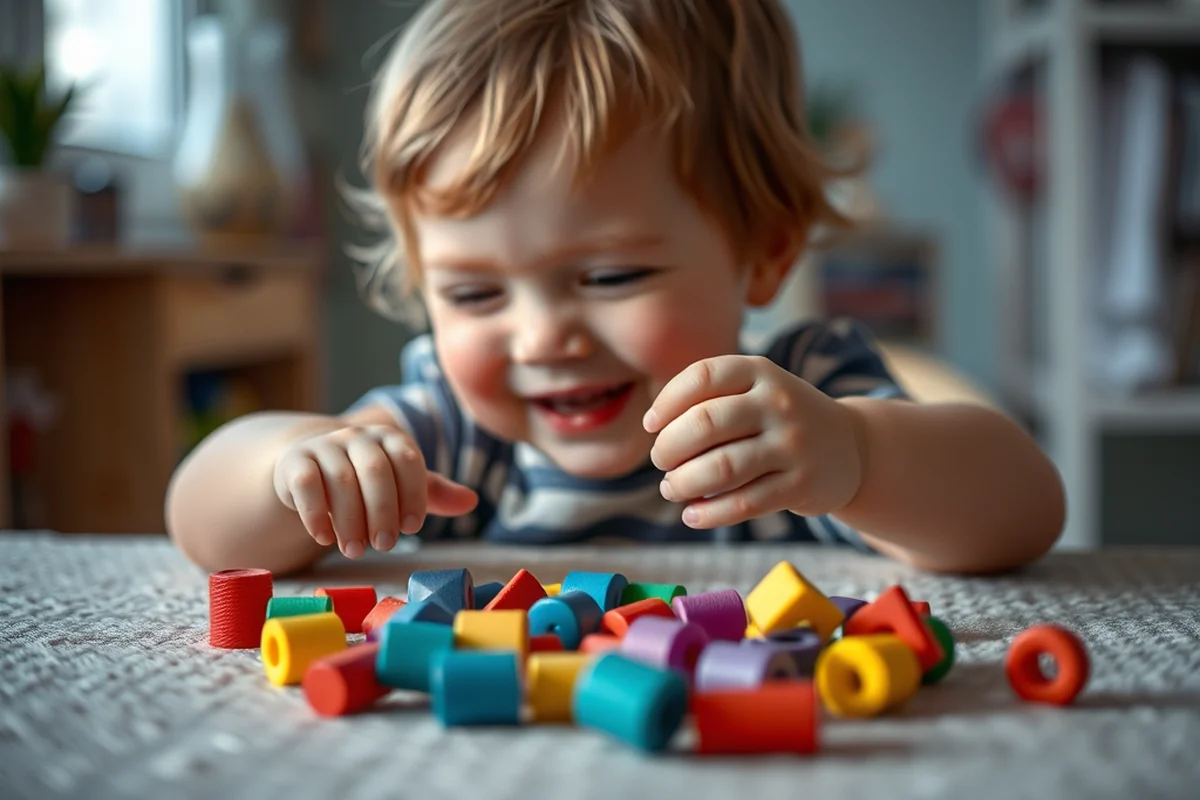
I used to think that my child would pick up fine motor skills naturally, but I quickly learned that repetition is key. When she was two, I introduced her to using tongs to pick up small objects like cotton balls and pasta. At first, she struggled, but with each attempt, she improved. A few weeks later, she could pick up objects with ease, and the difference was clear.
One of the most effective ways I found to encourage repetition was to make it a game. We set a timer for five minutes and counted how many cotton balls she could pick up with the tongs. It was a fun way to turn a simple activity into a challenge, and it kept her motivated.
This kind of repetition builds not just strength, but also confidence. The more she practiced, the more she believed in her ability to complete tasks, which translated into other areas of learning and development.
Consistency, not perfection, builds the strongest hands.
Related: Fine motor skills how to choose
Related: Diy fine motor skills tips
Related: Top fine motor skills ideas
The Importance of Sensory Stimulation
I discovered the power of sensory stimulation when I introduced my child to playdough with different textures — some soft, some crumbly, some even scented. She was fascinated by the differences, and her interest in the activity increased significantly.
One of the most memorable moments was when I used a cool, smooth stone for her to grip. She was so curious about its texture and temperature that she spent 15 minutes just holding it, which was a great way to build grip strength without any effort on my part.
Sensory stimulation not only makes activities more engaging but also helps children develop a better understanding of the world around them. It’s a win-win for both their motor skills and their cognitive development.
Incorporate items with different textures and temperatures into your fine motor activities — they make the experience more engaging and educational.
“I remember the day my daughter tried to pick up a small toy with her fingers and missed completely, her frustration bubbling over in a…”— Grippylittle editors
Related: Small fine motor skills
Related: Different fine motor skills for small spaces
How to Create a Fine Motor-Friendly Environment
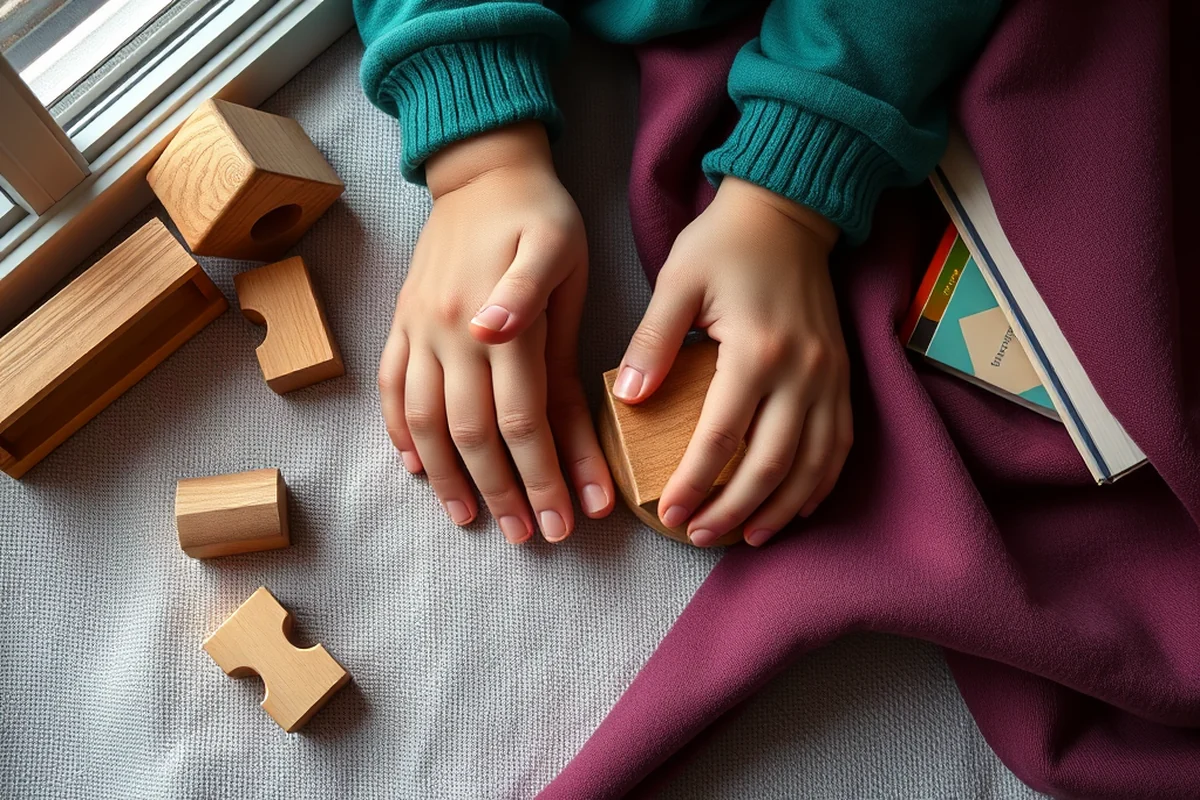
One of the most important things I did to support my child’s development was to create a dedicated play area with all the materials she needed. I made sure to keep items like beads, buttons, and tongs within her reach and in a safe, organized space.
I also made sure that the tools were age-appropriate and safe. For example, I replaced sharp scissors with rounded-edged ones to prevent accidents. This small change made a big difference in her willingness to explore and experiment.
Having a variety of materials in one place encouraged her to try different activities without interruption. She could move from threading beads to using tweezers to pick up small objects, all in the same space.
The Connection Between Fine Motor Skills and Language Development
I was surprised to learn that working on fine motor skills could also support my child’s language development. When she was learning to count, I used beads and counting mats to reinforce the numbers. It was a way to combine both physical and cognitive learning.
One of the most effective activities we did was using picture cards with small objects. She would pick up the cards and describe what she saw, which helped her develop her vocabulary and communication skills. It was a simple way to integrate fine motor and language development at the same time.
This kind of activity doesn’t just help with hand strength — it helps with thinking, speaking, and understanding. It’s a powerful way to support multiple areas of development through one focused activity.
The Impact of Fine Motor Activities on Emotional Regulation
I’ve seen how fine motor activities can calm my child when she’s feeling frustrated or overwhelmed. When she’s struggling with a task, she often becomes upset, but the right activity can help her redirect her energy and focus.
One activity that has been particularly effective is using a puzzle with large pieces. It gives her a sense of control and allows her to complete a task without feeling overwhelmed. Once she finishes a puzzle, she usually feels a sense of accomplishment that helps her regulate her emotions.
These activities also provide a healthy outlet for her frustration. When she’s upset, she can pick up a small object and manipulate it — a physical way to release tension and focus her mind on something else.
Fine motor activities give kids a way to process emotions through action.
The Long-Term Benefits of Early Fine Motor Development
Looking back, I can see how early fine motor development has helped my child in so many ways. The ability to grip a pencil, use scissors, and even tie shoelaces all started with the small skills she developed through play and practice.
One of the most noticeable changes came when she started school. Her ability to write her name and complete simple tasks without frustration was a huge advantage. Teachers have even commented on how well she handles activities that require fine motor skills.
These early skills are not just about dexterity — they’re about confidence, independence, and the ability to engage with the world. That’s the kind of foundation that lasts a lifetime.
🫂 Gentle Approach
A calm, low-pressure method that focuses on natural development and play-based learning, ideal for children who thrive in relaxed environments.
⚡ Fast-Track
A structured, goal-oriented method that targets specific skills quickly, using timers and clear objectives to build strength and focus.
🧳 Travel/away-from-home
A portable, on-the-go approach that uses everyday items and simple tools to keep children engaged even when they’re not at home.
👯♀️ Multiples
An activity-based method that involves multiple children at once, promoting social development through shared fine motor tasks.
🔄 Regression Reset
A targeted approach for children who are showing signs of regression in motor skills, using repetition and sensory-based activities to rebuild confidence.
| The mistake | Why it happens | The fix |
|---|---|---|
| Overlooking the importance of repetition | Fine motor skills require consistent practice to develop, and skipping this can lead to slow progress and frustration. | Incorporate daily, short sessions of play-based repetition to build muscle memory and strength. |
| Using materials that are too difficult for the child’s developmental stage | Activities that are too challenging can lead to frustration and disengagement. | Choose materials and tasks that are appropriate for the child’s age and skill level, gradually increasing difficulty as they improve. |
| Neglecting the role of sensory stimulation | Activities that are not engaging on a sensory level may not hold a child’s interest or be as effective in building skills. | Incorporate a variety of textures, temperatures, and colors to make activities more engaging and educational. |
| Forcing a child to complete tasks they are not interested in | Forced participation can lead to resistance and a lack of motivation. | Find activities that align with the child’s interests and make learning feel like play. |
| Not creating a safe and accessible environment | A lack of safety and accessibility can limit the child’s ability to explore and develop their skills. | Ensure that all materials are within reach, safe, and organized in a dedicated play space. |
Fine Motor Activities
Common Questions
What are the best fine motor activities for toddlers?
How can I make fine motor activities more fun for my child?
What if my child is not interested in fine motor activities?
How long should I spend on fine motor activities each day?
References
Cite this guide
Grippylittle (2026). Fine Motor Activities. https://grippylittle.com/fine-motor-activities/
Feel free to cite or share this guide.