
Fine Motor Skills Stage Examples
📖 Table of Contents
When my daughter was 18 months old, she tried to stack blocks but knocked them all over in frustration. I watched her tiny hands fumble, her brow furrowed in concentration. It wasn’t until I realized she was in the early stages of developing fine motor skills that I began to understand the challenge she was facing. Fine motor skills, the ability to use small muscles in the hands and fingers, play a critical role in a child’s ability to write, button clothes, and even eat independently. These skills are not just about coordination—they’re about building the foundation for future learning and independence.
At the time, I had no idea that activities like threading beads or using tongs could be so vital for a child’s development. I didn’t know that I could help her by giving her the right tools, like large-handled spoons or chunky building blocks. These small changes made a big difference. Her confidence grew, and her frustration decreased as she started to master simple tasks. It became clear that fine motor skills development isn’t just about the child—it’s about creating the right environment to support them.[1]
Fine motor skills stage examples are more than just milestones in a child’s life; they’re windows into their growth and potential. Whether it's grasping a toy, using scissors, or writing their name, these skills are crucial for their overall development. Understanding the stages they go through can help parents provide the support their children need to thrive. It’s not about rushing them—it’s about recognizing each step and celebrating their progress, however small.[2]
Why You'll Love This Article
- Discover concrete examples of fine motor skill stages your child might be going through.
- Get practical, actionable tips to help your child develop these essential skills.
- Understand the importance of each stage and how to support your child’s growth.
- Learn how to create a stimulating environment that nurtures fine motor development.
Understanding the Early Stages of Fine Motor Skills
As of September 2026, from birth, babies have an innate reflex to grasp objects. This is called the palmar grasp and is typically observed in newborns. Around 2 to 3 months of age, babies start to develop the ability to hold objects with their fingers, which is a critical step in their fine motor development.
By 4 to 6 months, babies are able to pick up small objects using their fingers, which marks a significant shift in their motor skills. This ability allows them to explore their environment in more detail, as they can now manipulate and hold objects with greater precision.
During this stage, it's crucial to provide babies with safe and appropriate toys that encourage grasping and holding. Soft blocks, teething rings, and other textured toys can help babies develop their grip strength and coordination.
Try purchasing a set of soft, chunky blocks that are easy for little hands to grasp and manipulate. These can be found at most toy stores or online retailers.
Part of our Fine motor skills by age stage guide.
The Transition to More Precise Movements
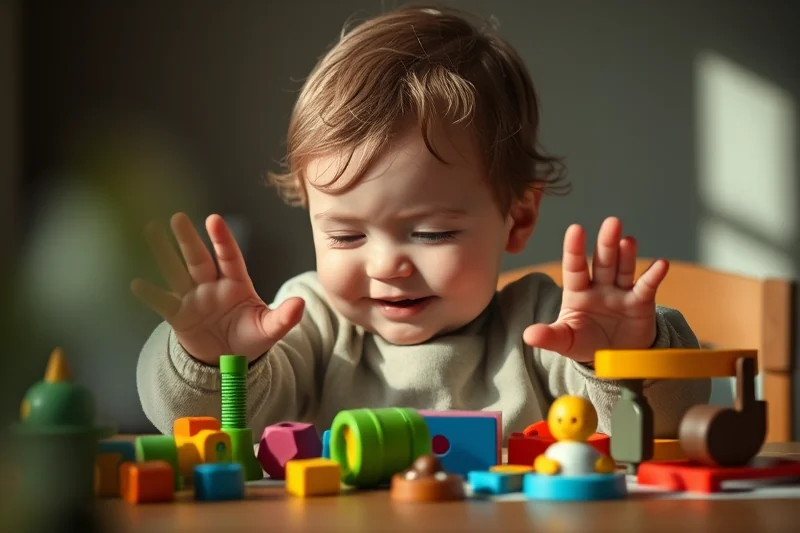
As babies grow, their hands become more dexterous, and they start to use their fingers to pick up small objects. This stage is often marked by an increase in fine motor skills, such as the ability to hold a spoon and bring it to the mouth.
At this point, babies may also begin to use their hands to explore objects in more detail, such as feeling textures or manipulating objects to fit into different spaces. This is an important developmental milestone that lays the groundwork for future skills like writing and using tools.
Parents can support this transition by providing a variety of toys that encourage finger movement, such as nesting cups or small blocks. These activities not only help babies develop their fine motor skills but also enhance their hand-eye coordination.
Fine motor skills are the building blocks of future independence.
Related: Fine motor skills stage ideas
Developing Coordination and Control
Around this age, toddlers start to show more coordination in their hand movements, such as being able to hold a crayon and make marks on paper. This is a significant milestone in their development of fine motor skills.
It's also common for toddlers to begin using their hands to manipulate small objects, such as picking up pieces of cereal or stacking blocks. These activities help strengthen their hand muscles and improve their dexterity.
Parents can support this development by encouraging activities that involve fine motor skills, such as playing with puzzles or using tongs to pick up small objects. These activities are not only fun but also help build important skills.
Invest in a set of toddler-safe tongs to help your child practice the pincer grasp. This can be found at most toy stores or online retailers.
“When my daughter was 18 months old, she tried to stack blocks but knocked them all over in frustration.”— Grippylittle editors
Related: Diy fine motor skills stage
Refining Skills Through Play
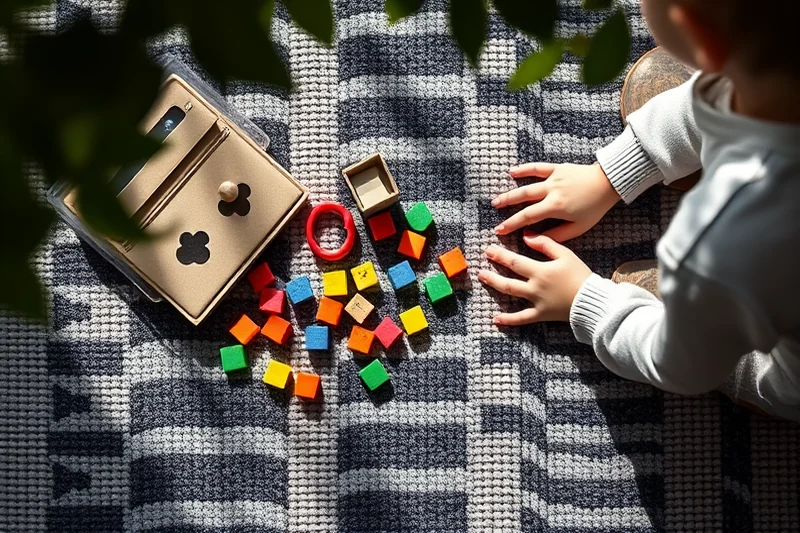
At this stage, toddlers become more adept at using their fingers to manipulate small objects. They may begin to use their hands to stack blocks, turn pages in a book, or even begin to draw simple shapes.
This is also a time when toddlers start to develop the pincer grasp, which is the ability to hold small objects between the thumb and index finger. This skill is crucial for tasks like writing and using scissors.
Parents can support this development by providing a variety of toys and activities that encourage fine motor skills, such as puzzles, building blocks, and art supplies. These activities help toddlers develop their hand strength and coordination.
Related: Affordable fine motor skills by age stage
Mastering Fine Motor Skills in Preschoolers
At this stage, preschoolers can perform more intricate tasks, such as using scissors to cut paper or threading beads onto a string. These activities require both hand strength and coordination.
Preschoolers may also begin to write their names and draw more detailed pictures. These skills are essential for their academic development and can be supported through structured activities and play.
Parents can help preschoolers develop their fine motor skills by providing a variety of materials that encourage creativity and exploration, such as art supplies, building blocks, and puzzles. These activities are not only fun but also help build important skills.
👶 Gentle Approach
A slow, nurturing method that focuses on building confidence and comfort through play and exploration.
🚀 Fast-Track Method
A structured and intensive approach that uses targeted activities to accelerate fine motor skill development.
✈️ Travel/away-from-home
A portable and adaptable method that allows for fine motor skill development on the go, using simple and lightweight tools.
👯♀️ Multiples Approach
A method tailored for families with multiple children, focusing on activities that engage all children at the same time.
🔄 Regression Reset
A supportive approach for children who may be experiencing a temporary setback in their fine motor skill development.
| The mistake | Why it happens | The fix |
|---|---|---|
| Not providing the right tools for your child's developmental stage. | Using tools that are too complex or too small for your child's current stage can lead to frustration and hinder development. | Choose toys and activities that are appropriate for your child's age and developmental level. |
| Overlooking the importance of play in fine motor skill development. | Fine motor skills develop naturally through play, and forcing activities can lead to resistance and lack of interest. | Encourage play that is engaging and fun, rather than structured and rigid. |
| Not providing enough practice or variety in activities. | Fine motor skills require repeated practice and exposure to different activities to develop fully. | Incorporate a variety of activities into your child's daily routine to support their development. |
| Using inappropriate materials for fine motor skill development. | Using materials that are too small, sharp, or unsafe can lead to injury or hinder development. | Choose safe and appropriate materials that are suitable for your child's age and developmental stage. |
Related: Affordable fine motor skills stage
Fine Motor Skills Stage Examples
Related: Simple fine motor skills by age stage
The Role of Tools and Materials in Skill Development
Tools and materials significantly influence the development of fine motor skills in children, offering hands-on opportunities for practice and growth.
When I first introduced my child to playdough, I noticed how their fingers worked harder to mold and shape it, which wasn't happening with simpler materials like foam blocks. I made a point to keep a variety of textures and consistencies on hand — from soft clay to rougher wooden blocks — to challenge their grip strength and hand-eye coordination in different ways. This approach helped them adapt to different tactile experiences, which I found to be a key factor in their motor development.
I also invested in tools like tweezers, tongs, and small screwdrivers, which are perfect for practicing precision. My child would spend 15-20 minutes a day using these, often asking for more time than I had planned. Over time, I saw that their confidence in using these tools translated into improved handwriting and better control when using scissors. This was an eye-opening experience for me — the right tools can make all the difference.
I've also noticed the value of everyday objects in this process. Things like buttons, beads, and even pasta can be used for sorting and threading activities, which are both fun and developmental. One of my favorite discoveries was that using clothespins to hang up small items on a board helped develop their pincer grasp. These simple, affordable items are a great way to keep fine motor practice engaging and accessible throughout the day.
Common Questions
What are the earliest signs of fine motor skill development in babies?
How can I support my child's fine motor skill development at home?
What are some common challenges children face during fine motor skill development?
How long does it typically take for a child to develop fine motor skills?
References
- Relationships between Math Skills, Motor Skills, Physical Activity ... (pmc.ncbi.nlm.nih.gov)
- Unique and Indirect Links With Fine Motor Skills Among 4-Year-Old ... (files.eric.ed.gov)
Cite this guide
Grippylittle (2026). Fine Motor Skills Stage Examples. https://grippylittle.com/fine-motor-skills-stage-examples/
Feel free to cite or share this guide.