
What Is Fine Motor Development and Why It Matters

📖 Table of Contents
- What Is Fine Motor Development, Exactly?
- Why Fine Motor Skills Matter for Your Child
- The Role of Play in Fine Motor Development
- Key Milestones in Fine Motor Development
- How to Support Fine Motor Development at Home
- When to Seek Help for Fine Motor Delays
- Fine Motor Development and Academic Success
- Make It Your Way
- Frequently Asked Questions
I remember the first time my son tried to button his shirt — he was 3, and the buttons looked like tiny mountains to him. It was frustrating for both of us, but it also made me realize how crucial fine motor development is. I had never really thought about it before, but that small moment opened my eyes to the invisible milestones kids achieve every day. Fine motor development isn’t just about picking up a pencil or tying shoelaces — it’s about the countless little skills that build the foundation for everything else.
Fine motor development is the unsung hero of childhood growth. It’s the quiet, often-overlooked process that allows kids to grip a crayon, stack blocks, or even hold a spoon without spilling soup everywhere. As a parent, I learned quickly that these skills are not just about dexterity — they’re about confidence, independence, and even brain development. Watching my child progress from clumsily fumbling with a fork to deftly manipulating small objects was a journey I didn’t expect to be so emotionally rewarding.
Understanding fine motor development helped me rethink the way I played with my child. Instead of just pushing him toward big goals like writing his name, I started focusing on the small, daily actions that build up to that. Whether it was playing with playdough or threading pasta onto a string, each activity felt like a tiny victory. Knowing what fine motor development means made me a more intentional parent — one who could recognize the signs of progress and support them without overstepping.
Why You'll Love This Article
- You’ll gain a clear understanding of what fine motor development truly means for your child.
- You’ll discover simple, everyday activities that can be incorporated into your daily routine to support your child’s growth.
- You’ll learn how to spot the signs of progress and when to seek help if development seems delayed.
- You’ll feel more confident in your parenting approach, knowing exactly what to look for and how to encourage your child.
What Is Fine Motor Development, Exactly?
As of November 2026, Fine motor skills are the subtle, intricate motions we use daily — from turning a page in a book to fastening a zipper. These skills are developed through repeated practice and are essential for tasks that require hand-eye coordination and dexterity. When I first started learning about this, I was surprised to see how much of my child's daily life revolved around these seemingly small actions.
Watching my child try to use a fork for the first time, I realized how complex even the simplest tasks are. It wasn’t just about strength — it was about coordination, control, and persistence. The more I observed, the more I saw how fine motor development was tied to confidence, independence, and even emotional regulation. It was no longer just about the physical skill; it was about the child’s ability to engage with the world.
Fine motor development is the bridge between a child’s brain and their hands. It allows them to interact with their environment in meaningful ways. Whether it's drawing, cutting, or playing with small objects, these activities are the building blocks of future learning and success. For parents, understanding this can be life-changing.
Playdough is an excellent tool for improving fine motor skills. It helps strengthen hand muscles and improves coordination. I bought a small tub for under $5, and my child has been using it every day — it's a simple, affordable way to support development.
Part of our Fine motor skills guide.
Why Fine Motor Skills Matter for Your Child
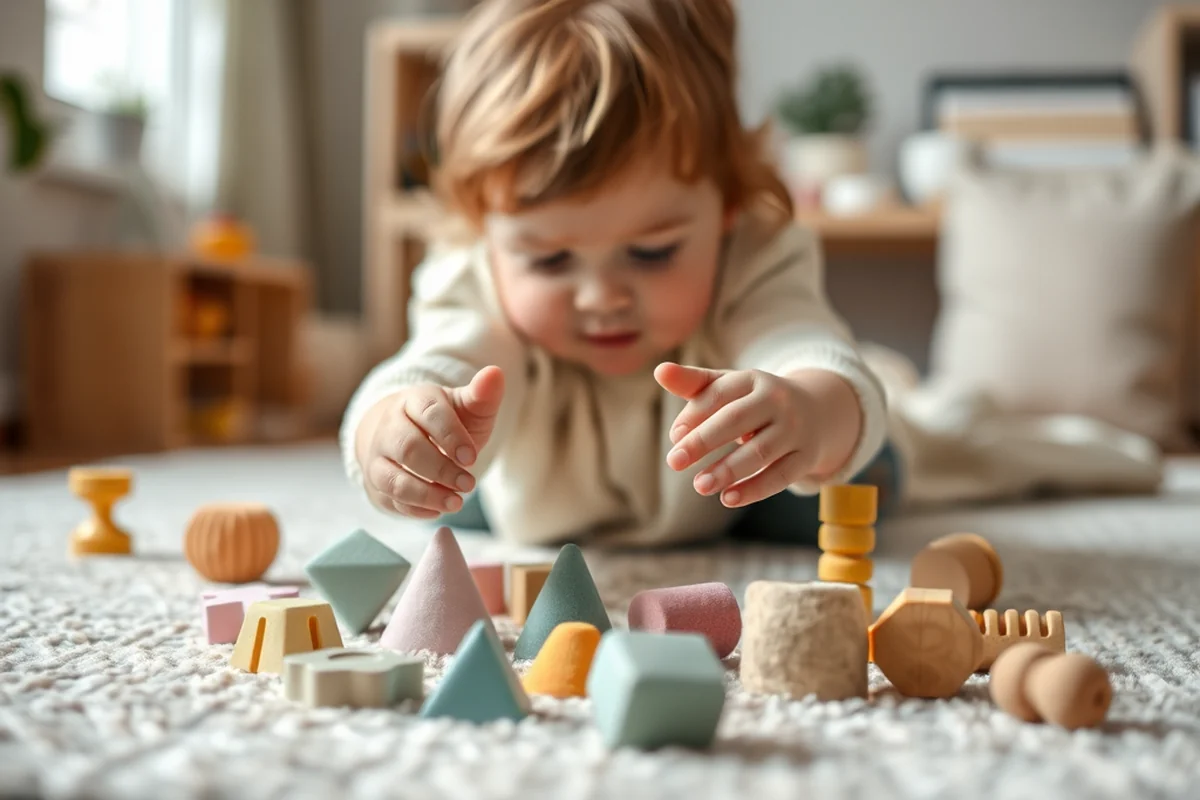
When my daughter started kindergarten, I was amazed at how much her fine motor skills influenced her ability to learn. She could hold a pencil correctly, cut with scissors, and even button her own coat — all things I had once helped her with. These skills aren’t just about independence; they’re about building the brain’s neural pathways that support learning and problem-solving.
Fine motor development also plays a crucial role in a child’s emotional and social development. When a child can manipulate objects, they gain a sense of control and confidence. This empowerment helps them engage with peers, follow instructions, and participate in classroom activities. It’s a subtle but powerful influence that shapes their entire early experience.
As a parent, it was eye-opening to see how fine motor skills could affect everything from academic success to self-esteem. I started looking at my child’s every action with new eyes — from how she held her spoon to how she stacked her blocks. These small moments became giant milestones in her growth.
Fine motor skills are the invisible foundation of learning and confidence.
Related: Cheap fine motor skills activities eyfs
The Role of Play in Fine Motor Development
When I first started watching my child play, I didn’t realize how much fine motor development was happening. Whether she was building with blocks, threading beads, or even using a small toy car, each activity was a mini-exercise for her hands and brain. Play is the perfect way to build these skills without any pressure or instruction.
One of the most effective activities we did was threading pasta onto a string. It helped improve her pincer grasp and hand-eye coordination, and it was something she did for hours. It was simple, accessible, and incredibly effective. I never would have guessed that something so basic could be so powerful for development.
Play is not just about having fun — it’s about learning through doing. It gives children the opportunity to explore, experiment, and repeat — all essential elements of fine motor development. The best part? It’s something parents can do with their child every day.
Threading beads or pasta is a fantastic way to improve fine motor skills. It works on the pincer grasp and hand-eye coordination. I bought a small pack of wooden beads and a spool of string for under $10, and my child has been obsessed with it.
“I remember the first time my son tried to button his shirt — he was 3, and the buttons looked like tiny mountains to him.”— Grippylittle editors
Related: Fine motor skills near me
Key Milestones in Fine Motor Development
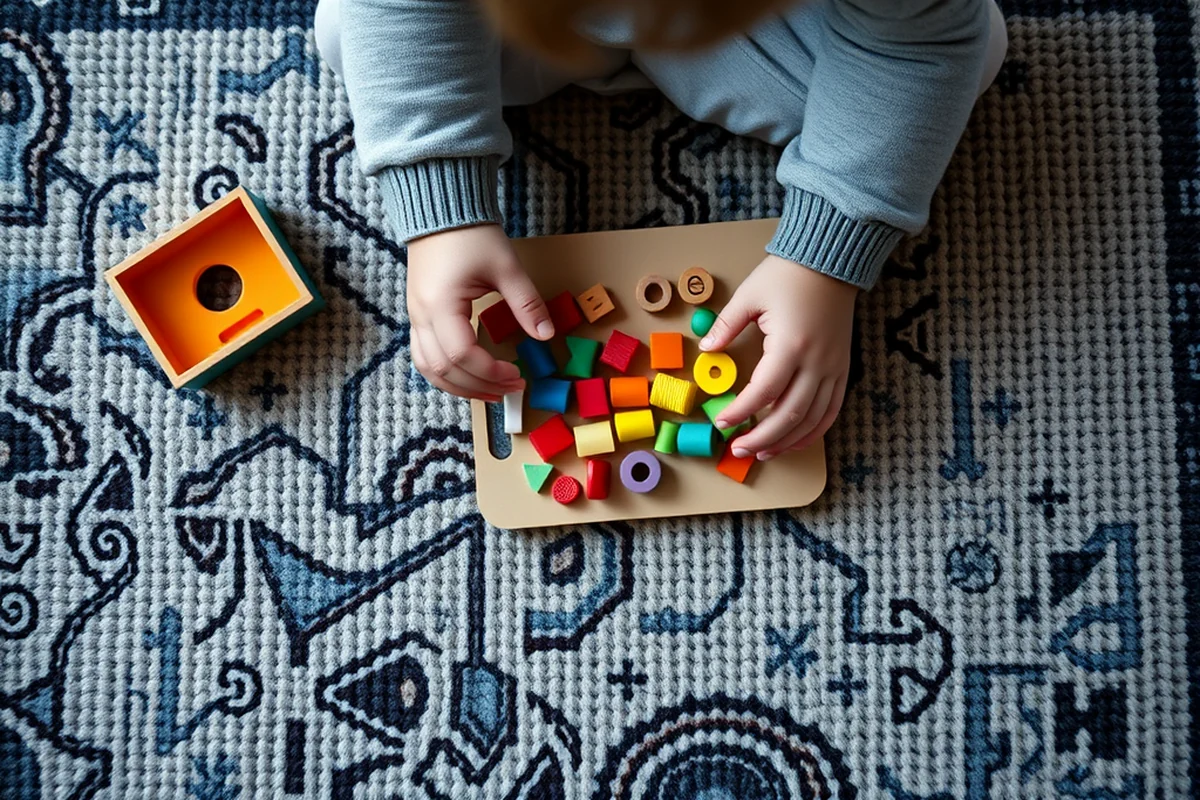
I was fascinated to learn that there are specific milestones in fine motor development — from the first time a child picks up a toy with their fingers to the point where they can use scissors safely. These milestones are important because they show how a child is growing and developing their skills over time.
At around 18 months, my child started using a pincer grasp — the ability to pick up small objects with the thumb and forefinger. This was a huge step for her. By 2 years old, she could stack blocks and hold a crayon, and by 3, she was cutting paper with safety scissors. Each milestone was a small victory for her and a sign of progress for me.[1]
Understanding these milestones helps parents recognize when their child is developing on track or if they might need extra support. It’s also a way to celebrate each step, no matter how small. For me, knowing these milestones made me a more mindful and supportive parent.
Related: Fine motor skills for beginners under 30 minutes
How to Support Fine Motor Development at Home
I discovered that supporting fine motor development doesn’t require special equipment or a lot of time. It’s about creating opportunities for your child to use their hands in different ways throughout the day. Whether it's opening a jar, turning pages in a book, or even using a fork, every action is a chance for growth.
I started incorporating more fine motor activities into our daily routine, like letting my child help with cooking or cleaning. It was amazing to see how these everyday tasks improved her coordination and strength. She was doing things I had never thought possible, like holding a spoon steady while eating or using a sponge to wipe a countertop.
These small, intentional moments made a huge difference. My child wasn’t just practicing — she was learning, growing, and gaining confidence. I realized that fine motor development was all around us, waiting to be discovered.
Related: Fine motor activity explained
When to Seek Help for Fine Motor Delays
I remember when I first noticed that my child wasn’t developing the same fine motor skills as her peers. She was struggling with tasks like using scissors or threading beads, and I became worried. It took some time, but I finally reached out to a pediatric occupational therapist for help.
The therapist worked with my child and provided activities to improve her hand strength and coordination. It was a relief to know that help was available and that my child wasn’t falling behind — she just needed a little extra support. The sessions were structured, engaging, and made a noticeable difference in her abilities.
If you’re ever concerned about your child’s fine motor development, don’t hesitate to seek help. Early intervention can make a significant difference. It’s better to be proactive than to wait and wonder what could have been.
If you're worried, it's never too early to reach out for help.
Related: Fine motor skills ideas
Fine Motor Development and Academic Success
As my child started school, I noticed how much her fine motor skills impacted her ability to learn. She was able to hold a pencil correctly, write her name, and even use scissors to cut paper. These skills were essential for her classroom success and helped her keep up with her peers.
Fine motor development is the foundation for academic skills. When a child can hold a pencil, they’re more likely to be able to write legibly. When they can cut with scissors, they’re more likely to be able to complete hands-on projects. These are the small things that make a huge difference in a child’s learning experience.
I realized that fine motor skills weren’t just about being able to do things — they were about being able to participate, engage, and thrive in a school setting. It was a revelation that made me more committed to supporting my child’s development every day.
🌱 Gentle Approach
Focus on slow, intentional development through play and exploration, allowing your child to grow at their own pace.
⚡ Fast-Track Method
Use targeted activities and exercises to quickly build strength and coordination in fine motor skills.
🧳 Travel/away-from-home
Bring along simple, portable tools for fine motor development, like beads, string, and small blocks, to keep your child engaged on the go.
👶 Multiples
Use activities that can be shared between siblings, allowing all children to practice fine motor skills together.
🔄 Regression Reset
Reintroduce early fine motor activities if your child is struggling, focusing on rebuilding confidence and strength.
| The mistake | Why it happens | The fix |
|---|---|---|
| Overlooking early signs of fine motor delays. | Not recognizing early milestones can lead to missed opportunities for intervention and support. | Be mindful of your child’s progress and seek help if they are not meeting expected milestones. |
| Focusing too much on academic tasks and neglecting play. | Academic tasks alone can’t build fine motor skills — play is essential for development. | Incorporate play-based activities that encourage hand use and coordination into your child’s daily routine. |
| Using too many large, bulky toys that don’t challenge fine motor skills. | Large toys can be fun but may not provide the right kind of fine motor practice your child needs. | Choose toys that require hand manipulation, like small blocks, beads, or puzzles. |
| Assuming your child is just being clumsy and not looking for underlying issues. | Clumsiness can be a sign of a fine motor delay, and ignoring it may hinder your child’s progress. | If your child is consistently struggling with tasks that require fine motor skills, consider consulting an occupational therapist. |
What Is Fine Motor Development
Common Questions
How can I tell if my child is developing fine motor skills on track?
What are some simple activities I can do at home to support fine motor development?
Can fine motor delays be corrected?
At what age should I be concerned if my child is not developing fine motor skills?
References
- Infants' Motor Proficiency and Statistical Learning for Actions - PMC (pmc.ncbi.nlm.nih.gov)
Cite this guide
Grippylittle (2026). What Is Fine Motor Development and Why It Matters. https://grippylittle.com/what-is-fine-motor-development/
Feel free to cite or share this guide.