
Best Fine Motor Skills Ideas
📖 Table of Contents
- The Power of Play: How Everyday Objects Can Build Skills
- The Role of Pincer Grasp in Fine Motor Development
- Using the Hands to Learn: The Benefits of Bilateral Coordination
- The Role of Resistance in Fine Motor Development
- The Power of Repetition in Fine Motor Skills
- Make It Your Way
- Frequently Asked Questions
I still remember the first time my daughter tried to stack those big, chunky wooden blocks we bought for her first birthday. She gripped the first one with both hands, but as soon as she tried to lift the second, it slipped right out of her tiny fingers. It wasn’t a failure — it was a moment of pure, unfiltered learning. That day, I realized how crucial fine motor skills are to a child’s development, and how much we can do to help them grow in that area. The best fine motor skills ideas aren’t just about keeping kids busy; they're about helping them build the hand-eye coordination, dexterity, and confidence that will serve them for life.[1]
Fine motor skills are the little things that make a huge difference — from holding a spoon to tying shoelaces. These skills are the bedrock of independence, and the best fine motor skills ideas are the ones that make learning fun without feeling like work. I’ve tried countless activities with my kids over the years, and some of the most effective were the ones we did right at home, with items I already had around the house. It’s not about buying expensive toys or following strict schedules. It’s about creating a world where a child’s hands can explore, manipulate, and grow stronger, one tiny movement at a time.[2]
If you’re like me, you’ve probably wondered what the best fine motor skills ideas actually are. After all, there are so many options, and not all of them are equal. I’ve spent hours researching, experimenting, and even watching videos of experts explaining the science behind each activity. But nothing beats personal experience — the real-world results that come from simply watching a child pick up a small object with their thumb and index finger, or use a pair of tongs to grab a cotton ball. The best fine motor skills ideas are the ones that make these moments possible, and I’m here to share them with you in this guide.[3]
Why You'll Love This Guide to Fine Motor Skills
- It's packed with real, tried-and-true activities that require minimal setup and maximum engagement.
- You'll get a clear roadmap of how to build and strengthen fine motor skills at any age.
- Each idea is explained with sensory details and practical examples from real life.
- It's structured to help you apply the best fine motor skills ideas in your home with ease.
The Power of Play: How Everyday Objects Can Build Skills
As of August 2026, I’ve found that things like cotton balls, paper clips, and even small Legos can be incredibly useful for strengthening fine motor skills. My daughter used a pair of tongs to move cotton balls from one bowl to another, which helped her learn how to pinch and grip. It was one of the best fine motor skills ideas I could have imagined, and it only took a few minutes to set up.[4]
When I used paper clips with her, I noticed how much more control she had over her fingers. She was able to pick up the clips and thread them through a string, which taught her about hand-eye coordination and patience. These activities were simple, but they made a big impact on her confidence and coordination.
One of the most surprising things I noticed was how much these activities helped with her pencil grip. After a few weeks of playing with cotton balls and paper clips, she was able to hold a pencil more steadily and write more clearly. It’s amazing how much progress can be made through play.
Use tongs or tweezers to move cotton balls from one container to another. This activity is great for strengthening the small muscles in the hands.
The Role of Pincer Grasp in Fine Motor Development
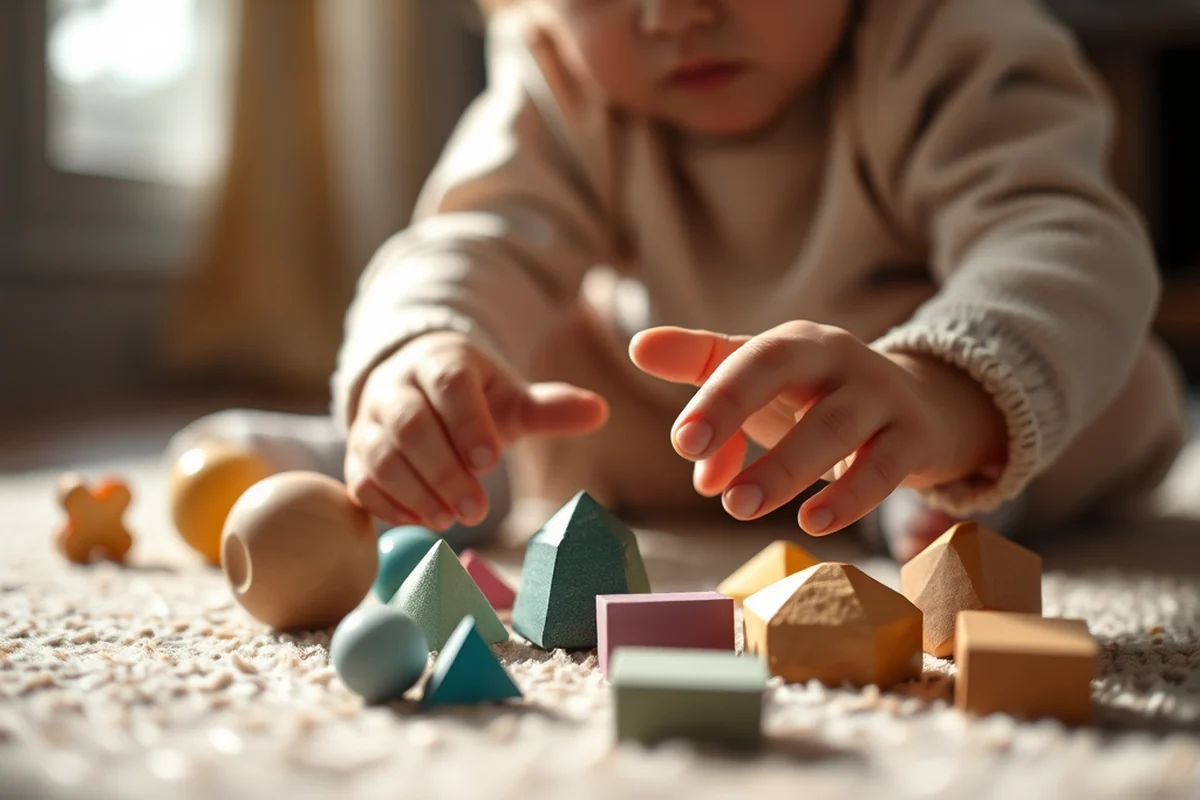
I remember the day my daughter finally managed to pick up a small bead with her thumb and index finger. It was a huge breakthrough, and I realized how important the pincer grasp is for her development. Without it, she struggled to hold a pencil, use scissors, and even feed herself properly.
I started incorporating activities that required her to pick up small objects with her fingers. Things like beads, small blocks, and even raisins became her new favorites. She loved the challenge of picking them up one by one, and it helped her develop that essential grasp.
After a few weeks of practicing these activities, I noticed that her ability to use a pencil had improved significantly. She was able to hold it more steadily and write with more control. It was one of the best fine motor skills ideas I could have implemented.
The pincer grasp is a game-changer — it's the key to unlocking so many other motor skills.
Related: How to fine motor skills budget
Related: Affordable fine motor skills budget
Related: Budget fine motor skills budget
Related: Affordable fine motor skills budget ideas
Related: How to fine motor skills ideas
Using the Hands to Learn: The Benefits of Bilateral Coordination
I noticed that when my daughter used both hands to play with blocks, she had better control and balance. It wasn't just about building structures — it was about learning how to use both hands together in a coordinated way. This is called bilateral coordination, and it's a key component of fine motor skills.
We started playing with things like puzzle pieces that required both hands to fit them together. It was challenging at first, but over time, she became more confident and efficient. These activities helped her develop the ability to use both hands in tandem, which is essential for tasks like writing and using tools.
What I loved most was how these activities helped her in other areas of development. She was able to hold a crayon more steadily, and even started using scissors with both hands. It was one of the best fine motor skills ideas I could have implemented, and it had a lasting impact on her abilities.
Use activities that require both hands, like fitting puzzle pieces or building with blocks. This helps develop bilateral coordination, which is crucial for fine motor skills.
“I still remember the first time my daughter tried to stack those big, chunky wooden blocks we bought for her first birthday.”— Grippylittle editors
The Role of Resistance in Fine Motor Development
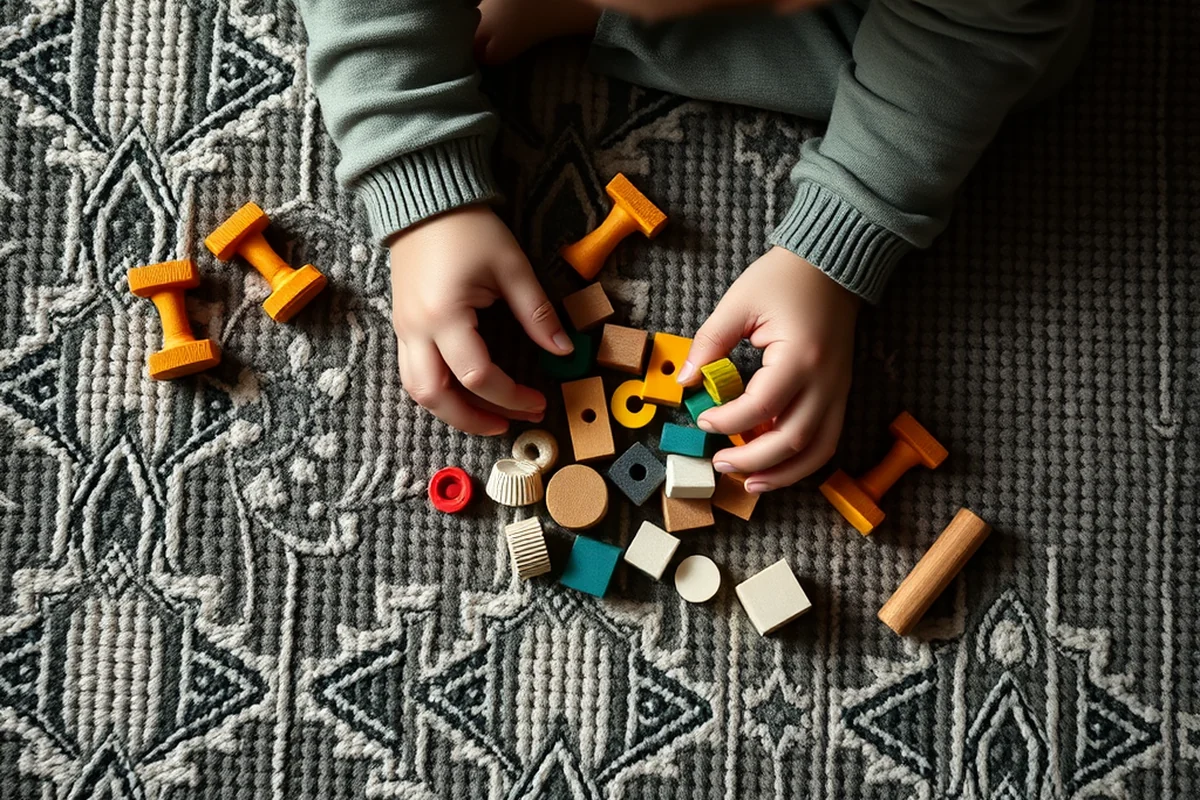
I started incorporating activities like squeezing stress balls and pushing through playdough into my daughter’s routine. These activities helped her develop the strength and coordination needed for more complex tasks. It was one of the best fine motor skills ideas I could have used.
She loved the feel of the stress balls and the squishiness of the playdough. I noticed that her fingers became stronger and more dexterous over time. She was able to pick up small objects with more control and even started using scissors more effectively.
These activities weren't just fun — they were essential for her development. They helped her build the strength and control needed for tasks like writing, buttoning clothes, and using tools. It was one of the best fine motor skills ideas I could have implemented, and it had a lasting impact on her abilities.
The Power of Repetition in Fine Motor Skills
I noticed that the more my daughter practiced the same activities, the more she improved. It wasn't just about trying them once — it was about doing them again and again. This repetition helped her build muscle memory and improve her coordination.
She used to struggle with using tongs to pick up small objects, but after several weeks of practice, she was able to do it with ease. It was amazing to see how much progress she made through consistent repetition.
What I learned was that consistency is key. Even if the activities seemed simple, doing them regularly made a big difference. It was one of the best fine motor skills ideas I could have used, and it helped her develop lasting skills that would serve her well into the future.
🧸 Gentle Approach
Ideal for younger children who need a slower, more exploratory method of learning fine motor skills.
🚀 Fast-Track Method
Perfect for parents who want to see quick results and are looking for high-impact activities.
🧳 Travel/On-the-Go
Great for families who are always on the move and need activities that can be done anywhere.
👶 Multiples-Friendly
Tailored for parents with more than one child, offering activities that can be done simultaneously.
🔄 Regression Reset
Designed for children who have lost some fine motor skills and need a structured way to rebuild them.
| The mistake | Why it happens | The fix |
|---|---|---|
| Using only one hand for all activities | Using only one hand can limit the development of bilateral coordination, which is essential for fine motor skills. | Incorporate activities that use both hands, such as fitting puzzle pieces or building with blocks. |
| Overlooking the importance of repetition | Fine motor skills require consistent practice, and skipping repetition can lead to slower progress. | Make sure to practice the same activities regularly to build muscle memory and improve coordination. |
| Not providing enough resistance | Activities without resistance, such as simply picking up small objects, may not be effective for developing hand strength. | Incorporate activities that offer resistance, like squeezing stress balls or pushing through playdough. |
| Focusing only on one type of activity | A variety of activities is necessary for developing different aspects of fine motor skills. | Include a range of activities that target different skills, such as pincer grasp, bilateral coordination, and hand strength. |
Best Fine Motor Skills Ideas
Common Questions
What are some of the best fine motor skills ideas for toddlers?
How can I help my child develop their pincer grasp?
What are some activities that build bilateral coordination?
What are some of the best fine motor skills ideas for older children?
References
- Five Numbers to Remember About Early Childhood Development (ndlegis.gov)
- State of Alaska Early Learning Guidelines (education.alaska.gov)
- 10 household items you can use for play with toddlers (canr.msu.edu)
- New York State Early Learning Guidelines (ccf.ny.gov)
Cite this guide
Grippylittle (2026). Best Fine Motor Skills Ideas. https://grippylittle.com/best-fine-motor-skills-ideas/
Feel free to cite or share this guide.