
Beginner Fine Motor Skills Activities

📖 Table of Contents
- Why Fine Motor Skills Matter for Toddlers
- The Power of Play: How Simple Toys Can Build Big Skills
- The Science Behind Fine Motor Development
- The Role of Parental Involvement in Fine Motor Development
- The Benefits of Consistency in Fine Motor Practice
- Make It Your Way
- Frequently Asked Questions
- The Printable Activity Plan
When my son turned two, he could barely hold a crayon without it slipping through his fingers. I remember the frustration I felt watching him try to draw simple shapes, his tiny hands shaking, the paper crumpling under his grip. It wasn’t until I discovered a few simple beginner fine motor skills activities that things started to change. These weren’t just random games or toys—they were intentional, structured ways to build the muscles and coordination that would eventually let him write, button his shirt, and even tie his shoes. For parents who are just starting out, these activities are a lifeline.[5]
Fine motor skills are the small, precise movements we use in daily life—like grasping a pencil, turning a doorknob, or fastening a zipper. These skills are crucial for school readiness, independence, and even emotional regulation. When I first stumbled upon the idea of using everyday objects to create fine motor activities, I was skeptical. But after just a few weeks of trying things like picking up small objects with tweezers and threading pasta through pipe cleaners, I saw a transformation. His confidence grew, and I felt like I was giving him tools for life.
The truth is, beginner fine motor skills activities don’t have to be expensive, complicated, or even time-consuming. They can be as simple as playing with playdough or sorting beads. What matters is consistency and intention. I learned this the hard way—trying to force activities that didn’t align with his interests only led to resistance. But when I found activities that felt like play, not work, the results were magic. That’s why I want to share these activities with you, not as a list. As a roadmap to help your child build the skills they need, in a way that feels natural and joyful.
Why You'll Love This Set of Beginner Fine Motor Skills Activities
- Easy to implement with no special equipment needed
- Designed to be engaging and fun for children of all ages
- Builds essential skills for school and life
- Boosts confidence and independence in your child
Why Fine Motor Skills Matter for Toddlers
As of September 2026, Fine motor skills are the tiny movements that happen in the hands and fingers, and they’re essential for a child’s development. When I first realized that my son’s inability to grasp a pencil wasn’t just a phase, I felt a mix of concern and curiosity. I discovered that these skills are linked to hand-eye coordination, dexterity, and even cognitive abilities. Without them, children can struggle with tasks like holding a spoon, fastening buttons, or even sitting still in class.
I tried to find affordable and effective ways to build these skills, and that’s when I started experimenting with activities like picking up small objects with tongs. The results were astounding. In just a few weeks, my son was able to hold a pencil with a better grip, and his confidence soared. These activities are not only beneficial for motor development—they also help with focus, patience, and problem-solving.
What I found most surprising was the impact these activities had on his behavior. The more he practiced, the more he could concentrate on tasks, and he even became more willing to try new things. The key is consistency and choosing activities that align with a child’s interests and developmental stage. It’s not about forcing them to do something—it’s about creating a space where they feel empowered to explore.
I filled a bowl with small beads and used a pair of tongs from the kitchen to pick them up. It was surprisingly effective and required no additional cost. This simple trick helped my son build strength and coordination without any extra effort.
Part of our Fine motor skills guide.
The Power of Play: How Simple Toys Can Build Big Skills
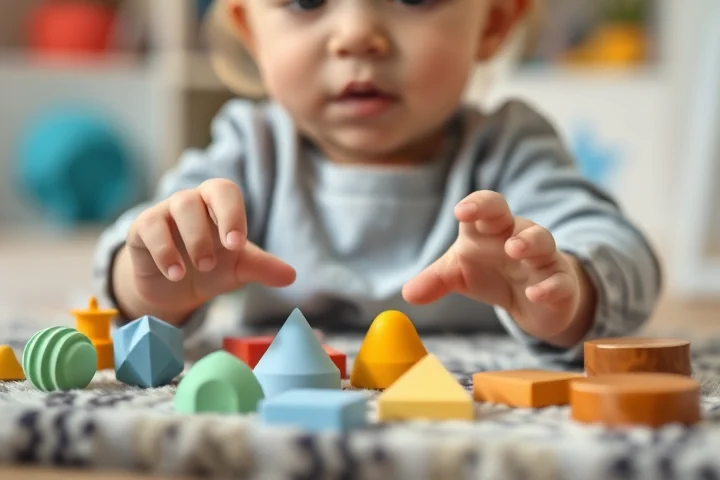
Toys are often seen as a way to keep kids occupied, but the right ones can be powerful tools for development. When I introduced playdough to my son, I didn’t expect it to become one of his favorite activities. What I didn’t realize was how much he was learning—rolling, pinching, and stretching the dough were all strengthening his hand muscles. It was amazing to see how quickly he picked up these skills, and how much fun he had doing it.
I also started using building blocks and puzzles, which required him to manipulate small pieces with his fingers. These activities weren’t just about having fun—they were about developing the dexterity needed for writing and other tasks. I noticed that the more he played with these toys, the more he could focus on tasks that required precision and control.
What I love most about these activities is that they’re adaptable. If a child is struggling with one toy, you can switch to another that challenges them in a different way. Play is a natural way for children to learn, and these toys make that learning process both fun and effective.
Play is the language of learning.
Related: Fine motor skills printable
The Science Behind Fine Motor Development
I used to think that fine motor skills were just about being able to hold a pencil. But after some research, I learned that they’re actually linked to brain development and even emotional regulation. The more a child practices these skills, the more their brain is building the neural pathways needed for reading, writing, and problem-solving. This was a revelation for me, and it changed the way I approached activities with my son.[1]
One of the most surprising things I learned was that fine motor skills are also connected to emotional regulation. When a child is struggling with motor tasks, they can become frustrated or anxious. But with practice and the right support, they can learn to manage these feelings. This is why it’s so important to create a positive and encouraging environment when working on these skills.
The science is clear: fine motor development is not just about physical skills—it’s about brain development, focus, and emotional health. That’s why I’ve made it a point to incorporate these activities into my child’s daily routine, and I’ve seen the benefits firsthand.
I started dedicating 15 minutes each day to fine motor practice, using a variety of activities. This helped my son develop consistency and made the learning process feel more natural and less like a chore.[2]
“When my son turned two, he could barely hold a crayon without it slipping through his fingers.”— Grippylittle editors
Related: Build fine motor skills without tools
The Role of Parental Involvement in Fine Motor Development
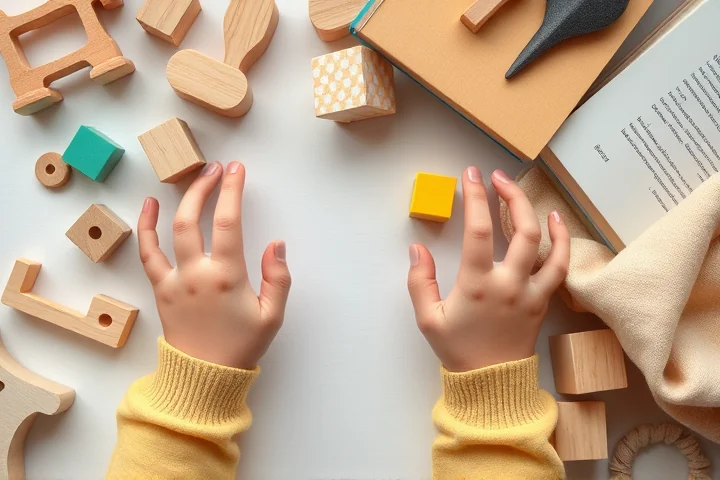
I used to think that fine motor skills could be developed entirely through play, but I quickly learned that parental involvement is just as important. When I started participating in the activities with my son, the results were more noticeable. It wasn’t just about the activities themselves—it was about the connection we were building. He was more motivated to try new things when I was there to support him.
One of the most valuable lessons I learned was the importance of encouragement. When my son struggled with a task, I made sure to praise his effort rather than just the outcome. This helped him build resilience and a growth mindset. It also taught him that it’s okay to make mistakes and that learning is a process.
The more I engaged with my son during these activities, the more I saw his confidence grow. He was no longer afraid of trying something new, and he was more willing to take on challenges. This is why I believe that parental involvement is one of the most powerful tools in fine motor development.
Related: Fine motor skills activities alternatives
The Benefits of Consistency in Fine Motor Practice
I used to think that as long as my son practiced fine motor activities a few times a week, that would be enough. But I quickly realized that consistency is what makes the difference. When I started practicing with him every day, even for just 10 minutes, the results were much more noticeable. He was able to hold a pencil better, and his coordination improved significantly.[3]
What I found most interesting was how much he was learning without even realizing it. Every time we practiced, he was building new skills, and over time, those skills compounded. The more he practiced, the more confident he became. It was like watching him grow in front of my eyes.
Consistency also helped him develop a sense of routine and structure. He started to look forward to our practice sessions, and they became a part of his day. This consistency made a huge difference in his development and gave him the tools he needed to succeed.
⭐ Classic
A simple, no-frills playdough recipe that’s perfect for beginners.
💰 Budget
This version uses only the most affordable ingredients, making it a great option for families on a budget.
⚡ Extra-Fast
Skip the kneading step for a quicker, no-fuss playdough recipe that’s still fun and effective.
✨ Depth
Add essential oils or natural dyes for an extra sensory experience that enhances fine motor development.
🥗 Light
A gluten-free and low-sodium version that’s healthier without sacrificing the fun.
| The mistake | Why it happens | The fix |
|---|---|---|
| Forcing your child to do activities they’re not interested in. | Children are more likely to learn and enjoy activities when they’re engaged and interested in them. | Try to find activities that align with your child’s interests and make the practice feel more like play. |
| Not being consistent with practice sessions. | Consistency is key when it comes to developing fine motor skills. Skipping sessions can slow progress and make it harder to build the skills needed for success. | Try to set a daily or weekly routine that allows for regular practice, even if it’s just for a few minutes each day. |
| Overlooking the importance of parental involvement. | Parents play a crucial role in fine motor development by providing encouragement, support, and guidance. Without this involvement, children may struggle to develop the skills they need. | Make sure to participate in the activities with your child and provide positive reinforcement when they make progress. |
| Using the wrong types of activities for your child’s developmental stage. | Using activities that are too advanced or too simple for a child’s stage can lead to frustration or boredom. | Choose activities that match your child’s developmental stage and adjust them as needed to keep them challenged and engaged. |
What You'll Need tap to check off
- 1 lb flour
- ½ cup salt
- 1 cup water
- ½ cup vegetable oil
- 2 tablespoons cream of tartar
- 1 tablespoon food coloring (optional)
Method tap a step when done
- In a large mixing bowl, combine the flour and salt.
- Add the water, vegetable oil, and cream of tartar. Mix well until the dough comes together.
- Knead the dough on a floured surface for about 5 minutes until it becomes smooth and pliable.
- If using food coloring, divide the dough into portions and add a few drops of food coloring to each portion. Knead until the color is evenly distributed.
- Store the playdough in an airtight container or plastic bag for later use.
- Once the playdough is ready, use it for a variety of fine motor activities like rolling, stretching, and shaping.
Key Facts
Related: Crafts for fine motor skills alternatives
Beginner Fine Motor Skills Activities
Related: Fine motor skills for beginners alternatives
Common Questions
How long should I spend on fine motor activities with my child each day?
What if my child doesn’t seem interested in the activities?
Can fine motor activities help with learning to write?
Are there any age-specific activities that are better suited for certain developmental stages?
References
- Fine Motor Skills Research Papers - Academia.edu (academia.edu)
- Fine Motor : U.S. Bureau of Labor Statistics (bls.gov)
- Building fine motor skills and why it matters - MSU Extension (canr.msu.edu)
- Motor Skill Activities | Summer Fine Motor Skill Activities (communitycarecollege.edu)
- Fine Motor Skills Worksheets - DID YOU KNOW! (dev-drupal.sustainablecampus.cornell.edu)
Cite this guide
Grippylittle (2026). Beginner Fine Motor Skills Activities. https://grippylittle.com/beginner-fine-motor-skills-activities/
Feel free to cite or share this guide.