
Simple Fine Motor Skills Printables Checklists
📖 Table of Contents
One afternoon, as my toddler tried to hold a crayon with all five fingers, I realized just how much fine motor development was slipping through my fingers. I had been so focused on the big milestones — walking, talking, counting — that I had ignored the tiny, daily movements that build strength and coordination. That moment of frustration led me to a simple solution: fine motor skills printables checklists. They became a game-changer for us, turning what felt like an uphill battle into a fun, achievable challenge every day.
Fine motor skills are the unsung heroes of early childhood development. They’re the reason a child can tie their shoes, write their name, or even hold a piece of cereal without dropping it. But without the right tools, it’s easy for parents to feel lost. That’s where these checklists come in. They’re not just worksheets — they’re structured, engaging, and practical tools that help parents guide their child through a series of developmental milestones, one small task at a time.
What I love most about these printables is their simplicity and adaptability. Whether you're a first-time parent or someone juggling multiple kids, they offer a way to create meaningful, consistent practice without the overwhelm. I’ve used them with my own children, and they’ve made a noticeable difference in confidence, independence, and even handwriting. These checklists are not just a tool — they’re a bridge from frustration to progress, and they’re here for you.
Why You'll Love This Simple Fine Motor Skills Checklist
- It keeps your child engaged and motivated with visual progress tracking.
- It’s easy to print and customize for your child’s specific needs.
- It provides a structured way to build confidence and independence.
- It’s adaptable for kids of all ages and developmental stages.
What Are Fine Motor Skills and Why Do They Matter?
As of September 2026, Fine motor skills are the tiny, coordinated movements of the fingers, hands, and wrists. These skills are crucial for everything from buttoning a shirt to holding a pencil. Without them, even the simplest tasks can become frustrating for children. I’ve seen this firsthand when my daughter struggled to pick up small beads during a sensory activity. It wasn’t until we focused on strengthening her hand muscles that she began to tackle the task with ease.
The development of fine motor skills starts in infancy and continues through early childhood. By the age of 18 to 30 months, most children can grasp and release small objects with ease. However, this doesn’t happen automatically — it requires practice, encouragement, and the right tools. That’s where fine motor skills printables checklists come into play. They provide a structured way to practice and track progress, ensuring that children don’t fall behind.
In my experience, these checklists have been a game-changer. They help parents identify areas where their child might be struggling and provide a clear path to improvement. Whether it’s using tweezers to pick up cotton balls or threading beads onto a string, each task is designed to build strength and coordination. The sense of accomplishment that comes with checking off a task is invaluable for a child’s confidence and motivation.
Use everyday objects like cotton balls, buttons, or pasta to create tasks that your child already knows how to handle. This builds confidence from the start.
Part of our Fine motor skills printables checklists guide.
How to Use Fine Motor Skills Printables Checklists Effectively

I’ve found that consistency is key when using fine motor skills printables checklists. Setting aside even 10 minutes each day can make a noticeable difference over time. I like to use the checklist during our afternoon routine, when my child is more relaxed and focused. The checklist itself is colorfully designed with icons and simple tasks, making it easy for my child to understand and follow.[1]
Each checklist includes a variety of tasks that target different fine motor skills. These range from using tongs to pick up small objects to tracing shapes with a crayon. I’ve noticed that my child is more motivated to complete these tasks when they’re framed as a game or a challenge. We often turn the checklist into a race to see who can complete the most tasks in a set time, which adds an element of fun.
Another tip I’ve learned is to personalize the checklist based on your child’s interests. If your child loves dinosaurs, for example, you can incorporate dinosaur-themed tasks into the checklist. This not only makes the activities more engaging but also helps maintain your child’s interest and enthusiasm over time.
Consistency and personalization make all the difference.
Related: Fine motor skills printables checklists on a budget
The Benefits of Tracking Progress with a Checklist
One of the most rewarding aspects of using a fine motor skills printable checklist is watching your child check off tasks and see their progress. It’s a tangible way to celebrate small victories, which can be a huge boost to a child’s confidence. I’ve seen my daughter get excited every time she completes a new task, and it’s been a powerful motivator for her to keep going.
I’ve also noticed that using a checklist helps me stay organized and focused on the skills that need the most attention. Instead of trying to remember every task I’ve done, the checklist acts as a visual reminder of what we’ve covered and what’s still to come. It also helps me identify any tasks that my child might be struggling with, so I can adjust the activities accordingly.
Tracking progress is also a great way to measure long-term development. Over the course of a few weeks, I’ve seen my daughter improve from being unable to pick up small objects to being able to use tweezers with precision. This kind of visual progress makes it clear that the effort is paying off, and it’s a great way to stay motivated as a parent.
Even the tiniest checkmark on a checklist is a win. Reward your child with praise, stickers, or a special activity to reinforce their progress.
“One afternoon, as my toddler tried to hold a crayon with all five fingers, I realized just how much fine motor development was slipping through…”— Grippylittle editors
Related: Budget fine motor skills printables checklists
Making the Most of Fine Motor Skills Activities at Home
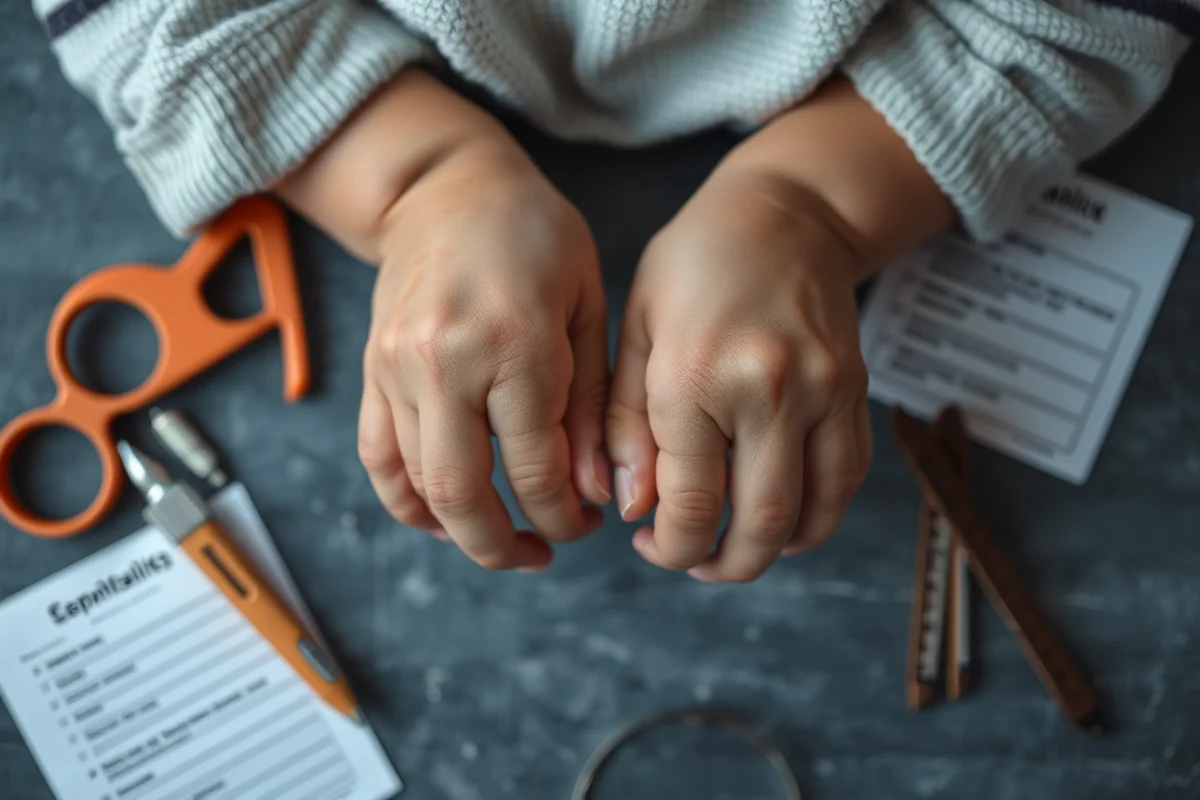
One of the best things about these checklists is that they can be seamlessly integrated into your child’s daily life. I’ve noticed that my daughter is more likely to complete tasks when they’re part of a larger activity, like sorting beads while we’re having a snack or using tongs to move cotton balls while we’re cleaning up. This makes the activities feel like part of the day rather than an added chore.
I’ve also found that combining fine motor activities with other developmental goals — like counting or recognizing colors — can be a powerful way to reinforce learning. For example, when we use colored buttons to practice sorting, we can also count how many buttons of each color we’ve used. This kind of multitasking helps maximize the benefits of each activity.
Another tip I’ve learned is to vary the activities to keep your child engaged. Rotating between different tasks — like using tweezers, threading beads, or drawing with crayons — helps maintain interest and ensures that your child is working on a wide range of fine motor skills. I’ve seen a noticeable difference in my daughter’s coordination and confidence when we mix up the activities regularly.
Related: Fine motor skills checklists mistakes to avoid
When to Seek Help and When to Keep Going
I’ve found that the fine motor skills printable checklists are a great starting point for most parents, but they’re not a substitute for professional guidance. If your child is not meeting developmental milestones by the age of 18 to 30 months, or if they’re struggling with even the simplest tasks, it might be time to consult a pediatrician or occupational therapist. These experts can provide a more personalized plan and identify any underlying issues.[2]
That said, I’ve also learned that many children can make significant improvements with consistent, structured practice. Even if your child is a bit behind, using a checklist can help them catch up over time. I’ve seen this happen with my own child, who had difficulty grasping small objects at first but has since improved dramatically with regular practice.
The key is to stay patient and keep going. Even small improvements can add up over time, and the checklist is a great way to track progress and celebrate each step forward. If you ever feel stuck, don’t hesitate to reach out for help — but know that many children can and do benefit from these activities alone.
🌱 Gentle Approach
Perfect for babies and toddlers who are still learning to grasp and release. Focus on soft, sensory-based tasks.
⚡ Fast-Track Method
Ideal for parents looking for quick, efficient practice sessions. Use targeted activities for maximum impact in minimal time.
✈️ Travel/On-the-Go
Tailored for families on the move. Use portable materials and simple, no-prep activities to keep fine motor skills practice going anywhere.
👯♀️ Multiples Approach
Designed for parents with more than one child. Use group activities and shared checklists to make practice fun and interactive for all.
🔄 Regression Reset
For children who have lost developmental ground. Focus on rebuilding foundational skills with structured, repetitive practice.
| The mistake | Why it happens | The fix |
|---|---|---|
| Using too many tasks at once | Overloading a checklist with too many tasks can overwhelm a child and reduce their engagement and success. | Start with just a few tasks and gradually add more as your child becomes more confident and capable. |
| Forcing a child to complete tasks they’re not interested in | Children are more likely to engage with activities that they enjoy and feel comfortable with. | Choose tasks that align with your child’s interests and let them take the lead in selecting what they want to try. |
| Not adapting the tasks to your child’s developmental stage | Using tasks that are too difficult or too simple can hinder progress and cause frustration. | Always tailor the activities to your child’s current skill level. Use the checklist as a guide to adjust tasks as needed. |
| Ignoring the emotional aspect of the activities | Fine motor skills development is as much about confidence and motivation as it is about physical skills. | Celebrate small wins and provide encouragement and praise to keep your child motivated and engaged. |
Related: Fine motor skills printables examples
Simple Fine Motor Skills Printables Checklists
Related: Fine motor skills printables step by step
Common Questions
Are these checklists suitable for all ages?
Can I customize the checklists to fit my child’s interests?
How long should each session last?
Do I need any special materials to use these checklists?
References
- EARLY CHILDHOOD MEASURES PROFILES - ASPE.hhs.gov (aspe.hhs.gov)
- DRDP (2015) Preschool - Child Development (CA Dept of Education) (cde.ca.gov)
Cite this guide
Grippylittle (2026). Simple Fine Motor Skills Printables Checklists. https://grippylittle.com/simple-fine-motor-skills-printables-checklists/
Feel free to cite or share this guide.