
What's Fine Motor Skills

📖 Table of Contents
- What Exactly Are Fine Motor Skills?
- Why Are Fine Motor Skills Important?
- How Can Parents Help Develop Fine Motor Skills?
- What Are Some Activities to Practice Fine Motor Skills?
- How Do Fine Motor Skills Impact School Performance?
- What Are Some Common Fine Motor Skill Challenges?
- How Can You Track Your Child’s Fine Motor Development?
- Make It Your Way
- Frequently Asked Questions
I remember the first time my son tried to button his shirt — he was four, and he looked at me with a mix of frustration and determination. He had the shirt on backwards, the buttons were twisted, and his little fingers kept getting tangled in the fabric. It wasn’t just about the shirt; it was about a skill I hadn’t realized was so crucial: fine motor skills. Fine motor skills are the tiny, everyday abilities that let your child hold a pencil, tie a shoe, or even use a spoon without making a mess. They are the unsung heroes of childhood development, and understanding what they are can help you support your child’s growth in ways you never imagined.[2]
Fine motor skills are the invisible muscles of childhood, working behind the scenes to let kids do things like pick up a small toy, turn a page in a book, or even brush their teeth. I didn’t know how much these skills shaped my son’s confidence until I watched him struggle with something as simple as using a zipper. It was a wake-up call — I realized that fine motor development wasn’t just about the physical act, but also about the mental and emotional readiness it builds. If a child can’t manipulate a pencil, they might feel frustrated, which can impact their school performance and self-esteem.[3]
As a parent, I learned that fine motor skills are not something you can just ‘teach’ in a day. They develop gradually through play, practice, and patience. I started incorporating more activities into our daily routine — like threading beads, playing with playdough, and even folding laundry — not just for fun, but to help my child strengthen those tiny muscles. The more I learned about fine motor skills, the more I saw how they were intertwined with everything from handwriting to coordination. It was a journey that transformed how I approached early childhood development, and it changed the way I saw my child’s progress.[4]
Why You'll Love This Guide to Fine Motor Skills
- You’ll discover how to support your child’s development in a fun and natural way.
- You’ll learn practical, hands-on activities that can be done at home with simple materials.
- You’ll gain insights into the importance of fine motor skills and their impact on learning and confidence.
- You’ll feel empowered to help your child build a strong foundation for future academic and social success.
What Exactly Are Fine Motor Skills?
As of November 2026, Fine motor skills are the tiny movements that your child makes with their fingers, hands, and even their feet. These skills are developed through practice and repetition, often during playtime. For example, when your child is picking up a small toy or using a spoon, they’re exercising the muscles in their hands and fingers that are essential for writing and other complex tasks.[1]
These skills are crucial for a child's development because they help them perform daily tasks independently. From tying their shoes to using a pencil, fine motor skills are the foundation for many activities. Without them, even simple tasks can become frustrating and difficult for your child.
I learned this the hard way when my son tried to use a fork for the first time. His fingers were clumsy, and he couldn’t hold it properly. It was a moment of realization — fine motor skills are not only about the physical act, but also about building confidence and independence in young children.
Use items like buttons, beads, and small blocks to help your child practice grasping and pinching. These simple activities can be done at home and are great for building fine motor skills.
Part of our Fine motor skills guide.
Why Are Fine Motor Skills Important?
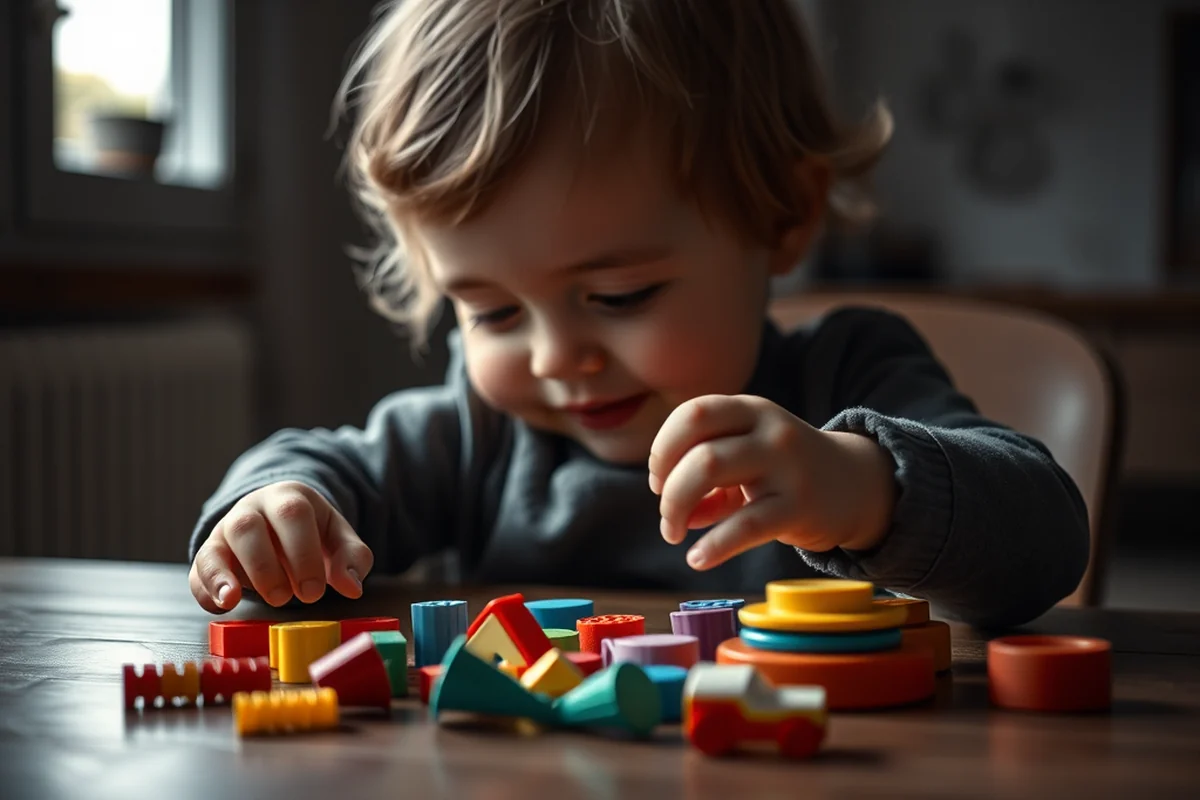
Fine motor skills are crucial because they help your child develop the coordination needed for writing, drawing, and using tools like scissors. When a child can’t hold a pencil properly, it can affect their school performance and self-esteem.
These skills also play a role in a child’s emotional development. When a child can complete tasks independently, they feel more confident and capable. This confidence carries over into other areas of their life, including social interactions and schoolwork.
I noticed a difference in my son’s confidence once he started mastering simple tasks like using a fork or tying his shoes. The small victories were huge for him, and they helped him feel more capable and independent.
Small skills, big confidence.
Related: Fine motor skills activities alternatives
How Can Parents Help Develop Fine Motor Skills?
One of the best ways to help your child develop fine motor skills is through play. Activities like threading beads, playing with building blocks, and using playdough are all excellent ways to strengthen your child’s small muscles.
I found that incorporating these activities into our daily routine made a big difference. We would spend time together threading beads or playing with playdough, and it became a bonding experience for us. It was amazing to see how much my son improved with just a little practice.
It’s also important to be patient and encourage your child as they learn. Fine motor skills take time to develop, and every small success is a step forward in your child’s growth.
Let your child explore and play independently with materials like blocks, beads, and playdough. This helps them develop fine motor skills while also building their confidence and problem-solving abilities.
“I remember the first time my son tried to button his shirt — he was four, and he looked at me with a mix of…”— Grippylittle editors
Related: Crafts for fine motor skills alternatives
What Are Some Activities to Practice Fine Motor Skills?
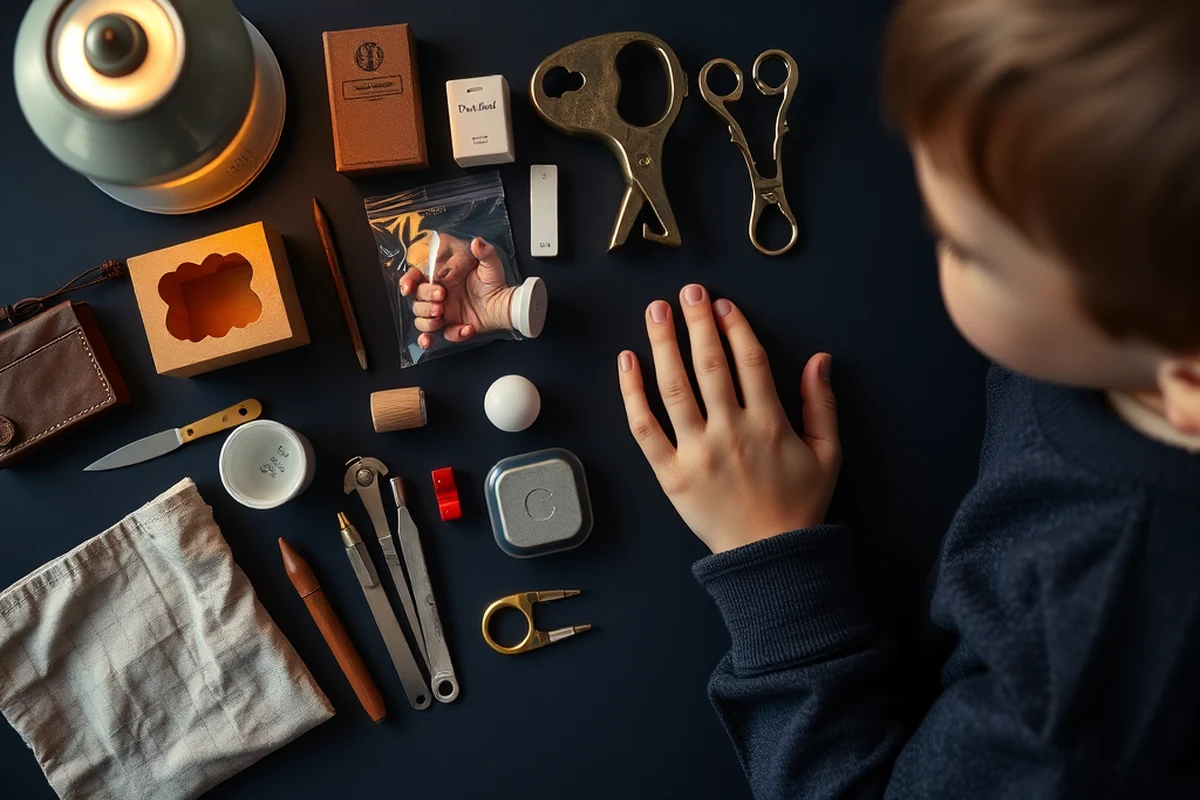
There are many activities you can do at home to help your child develop fine motor skills. Drawing and coloring are excellent ways to strengthen the small muscles in your child’s hands. These activities also help with hand-eye coordination and control.
Playing with small objects like beads, buttons, and blocks can help your child practice grasping and pinching. These activities are not only fun but also essential for building the skills needed for writing and other tasks.
I found that playing with playdough was one of the most effective activities for my son. He loved kneading and shaping it, and it helped him develop the strength and control needed for fine motor tasks.
Related: Fine motor skills for beginners alternatives
How Do Fine Motor Skills Impact School Performance?
Fine motor skills are essential for school readiness because they help your child perform tasks like writing, drawing, and using scissors. When a child can’t hold a pencil properly, it can make learning more difficult and frustrating.
I saw the impact of fine motor skills on my son’s school performance when he struggled with handwriting. He couldn’t hold a pencil properly, which made it hard for him to complete his assignments. It was a wake-up call for me, and I realized that developing fine motor skills was crucial for his academic success.
By helping my son develop these skills, I saw a significant improvement in his confidence and ability to complete tasks. He was able to write more legibly, and it made a big difference in his school performance.
Related: Different fine motor skills comparison
What Are Some Common Fine Motor Skill Challenges?
Many children struggle with fine motor skills, and it can be a source of frustration for both the child and the parent. Difficulty grasping small objects, poor hand-eye coordination, and trouble with tasks like writing or using scissors are all common challenges.
I noticed that my son had trouble with tasks that required precise movements, like using a fork or tying his shoes. It was challenging to watch him struggle with these simple tasks, but I knew that with the right support, he could improve.
It’s important to be patient and provide opportunities for practice. With time and encouragement, even the most challenging fine motor skills can be developed.
Patience and practice make perfect.
Related: Skills for jobs
How Can You Track Your Child’s Fine Motor Development?
Tracking your child’s fine motor development is important because it helps you understand their progress and identify any areas that may need more support. Observing your child’s ability to perform tasks like grasping, pinching, and writing can give you insight into their development.
I started keeping a simple journal to track my son’s progress. I noted the tasks he could perform independently and the ones he still struggled with. This helped me see how much he was improving over time.
By tracking your child’s development, you can provide targeted support and celebrate their small victories. This not only helps them grow but also builds their confidence and motivation.
🌱 Gentle Approach
A slow, nurturing method that focuses on play and exploration to develop fine motor skills naturally.
⚡ Fast-Track Method
A structured, activity-based approach that uses targeted exercises to quickly develop fine motor skills.
✈️ Travel/away-from-home
A flexible, portable method that uses simple, everyday objects to practice fine motor skills while on the go.
👶 Multiples Approach
A method designed for parents with multiple children, offering activities that can be done simultaneously for all kids.
🔄 Regression Reset
A method that helps children who have lost fine motor skills due to illness or injury regain their abilities through gentle and targeted exercises.
| The mistake | Why it happens | The fix |
|---|---|---|
| Overloading your child with too many activities at once. | This can be overwhelming and may lead to frustration or burnout. | Focus on a few activities at a time and allow your child to practice them regularly and consistently. |
| Not providing enough opportunities for independent play. | Independent play is essential for developing fine motor skills and building confidence. | Encourage your child to explore and play on their own with materials like blocks, beads, and playdough. |
| Being too rigid or structured with activities. | This can make fine motor development feel like a chore rather than a fun activity. | Keep activities light and playful, and allow your child to lead the way with their interests. |
| Not being patient with your child’s progress. | Fine motor skills take time to develop, and rushing the process can be discouraging. | Celebrate your child’s small victories and be patient as they learn and grow at their own pace. |
What's Fine Motor Skills
Common Questions
How can I help my child develop fine motor skills at home?
What are some signs that my child may have fine motor skill delays?
How can I track my child’s fine motor development?
Are there any activities I can do with my child to help with fine motor skills?
Cite this guide
Grippylittle (2026). What's Fine Motor Skills. https://grippylittle.com/what-s-fine-motor-skills/
Feel free to cite or share this guide.