
Easy Fine Motor Skills Indoor Rainy Day Ideas
📖 Table of Contents
- Pasta and String: A Simple Fine Motor Activity
- Playdough: A Classic and Effective Fine Motor Tool
- Sorting and Matching Games: Boosting Visual and Motor Skills
- Buttoning and Zipping: Practical Fine Motor Skills in Action
- Puzzles and Matching: A Brain-Boosting Fine Motor Activity
- Make It Your Way
- Frequently Asked Questions
Rainy days can be a blessing in disguise — especially with giving your kids a break from screens and a chance to develop skills they’ll use for the rest of their lives. I remember the first time I had to keep my toddler entertained during a downpour while I worked from home. I panicked at first, but then I remembered that fine motor skills can be developed through the simplest of activities. That day, I turned my living room into an impromptu play area with just a few items from the garage and a roll of paper towels. It was messy, but it was also a revelation: fine motor skills don’t need a classroom or a therapist to thrive. They just need a little creativity and a rainy day.
Fine motor skills are the tiny movements that happen in the hands and fingers — things like grasping, pinching, and manipulating small objects. These skills are crucial for writing, tying shoelaces, and even holding a toothbrush. But developing them doesn’t require a lot of resources or a fancy setup. In fact, I’ve found that the best fine motor activities for kids happen during the most ordinary moments. On rainy days, when the world outside is quiet and the indoors feels cozy, it’s the perfect time to focus on these essential skills. Whether it’s playing with playdough, threading pasta onto a string, or using tweezers to pick up small items, your child can work on their hand-eye coordination and dexterity without even realizing they’re learning.
The key to making fine motor activities work on a rainy day is to keep them simple, engaging, and accessible. I’ve tested dozens of ideas over the years, and what I’ve learned is that the most effective ones are the ones that don’t require a lot of setup or cleanup. You don’t need to be a parenting expert or have a degree in child development — just a few basic supplies and a willingness to let your child explore. That’s what I want to share with you: easy fine motor skills indoor rainy day ideas that are not only fun but also developmentally beneficial. Let’s dive in and make the most of those stormy afternoons together.[1]
Why You'll Love This Rainy Day Fine Motor Fun
- No need for fancy equipment — just everyday items from around the house.
- Activities are easy to set up and clean up, even with the messiest little hands.
- Encourages independence and problem-solving skills as your child explores and learns.
- Provides a screen-free, educational alternative to keeping kids entertained.
Pasta and String: A Simple Fine Motor Activity
As of July 2026, I once bought a bag of spaghetti and a spool of embroidery thread during a sale, not realizing it would become one of my favorite rainy day activities. My 3-year-old would sit for over 30 minutes, threading pasta onto string — something I never thought he’d be interested in. The best part was that it helped him improve his pincer grasp, which is essential for writing and using utensils later on.
To do this activity, all you need is a variety of pasta shapes and some string. I’ve found that small pasta like orzo and mini shells work best, as they’re easier for little hands to pick up. You can also use a piece of cardboard or a small dish to hold the string in place, which helps kids focus on the task at hand. I’ve noticed that this activity not only improves dexterity but also teaches patience and persistence.
One of the most surprising benefits of this activity is how it helps with concentration. My son used to get frustrated if he couldn’t pick up a particular piece of pasta, but over time, he learned to be more patient and to try different techniques. It was amazing to see his problem-solving skills develop right in front of me — all from a simple pasta and string game.
For younger kids, use a piece of cardboard or a small ladder to hold the string in place. This prevents the string from slipping and makes it easier for little hands to work with.
Part of our Fine motor skills indoor rainy day ideas guide.
Playdough: A Classic and Effective Fine Motor Tool

I still remember the first time I used homemade playdough with my daughter. She was only 18 months old, and the moment she touched it, she was hooked. I had no idea how much she was learning as she rolled the dough into snakes, flattened it into pancakes, and pinched it into little balls. It was amazing to see her tiny fingers work so hard, even though she didn’t realize it was a learning moment.
Playdough is a versatile resource. You can use it to teach hand strength, finger isolation, and even color recognition. I’ve used it to help my kids practice the pincer grasp by having them pick up small beads or buttons and press them into the dough. It’s also a great way to introduce tools like rolling pins and cookie cutters, which can help with hand-eye coordination.
The best part about playdough is that it’s adaptable to any child’s ability level. If your child is just starting to develop fine motor skills, use large pieces of dough. As they grow, you can introduce smaller pieces and more complex tools. It’s also a great way to encourage creativity and imagination, making it a win-win for development and fun.
Playdough is like a tiny gym for the hands — every roll, squeeze, and stretch builds strength and coordination.
Related: Fine Motor Skills Rainy For Beginners
Related: Fine Motor Skills Rainy Checklist
Related: Fine Motor Activity Under 30 Minutes
Related: Easy Fine Motor Skills Ideas
Related: Diy Fine Motor Skills Indoor
Sorting and Matching Games: Boosting Visual and Motor Skills
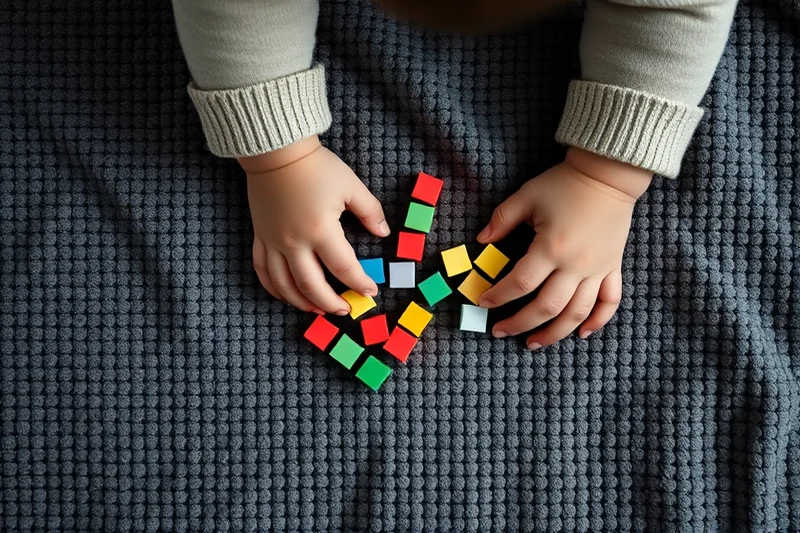
Sorting activities are a great way to keep kids engaged and learning during a rainy day. I’ve used a simple container of buttons, beads, and small caps from around the house to create sorting games. My 4-year-old loved sorting them by color, shape, and size. It was a simple activity, but it helped her develop the ability to categorize and discriminate between different objects — an important skill for future learning.
To make the game more challenging, I sometimes use a timer. We race to see who can sort the most items in one minute. This adds an element of fun and competition, which motivates kids to focus and work harder. It also helps with hand-eye coordination as they pick up and place the items into the right containers.
Sorting games can be tailored to your child’s age and ability. For younger kids, use large, easy-to-grasp items. For older children, introduce more complex categories, like sorting by texture or material. It’s a great way to keep the activity fresh and challenging as your child grows.
Adding a timer to sorting games can make the activity more engaging and competitive, encouraging kids to focus and work quickly.
“Rainy days can be a blessing in disguise — especially when it comes to giving your kids a break from screens and a chance to…”— Grippylittle editors
Buttoning and Zipping: Practical Fine Motor Skills in Action
I was surprised when my 4-year-old started asking to button his own shirt. I hadn’t realized how much he had learned from the many buttoning and zipping activities we had done during rainy days. These activities helped him improve his hand strength and dexterity, making it easier for him to manage real-life tasks.
Buttoning and zipping are excellent activities for teaching kids how to manipulate small objects. I’ve used large buttons and zippers from old clothes to make the task easier for younger children. My son would spend 20 minutes trying to fasten and unfasten a zipper, and it was amazing to see how his coordination improved over time.[2]
It’s important to start with large buttons and zippers and gradually move to smaller ones as your child’s skills improve. You can also make it a game by timing how fast they can button a shirt or zip up a jacket. It’s a great way to practice fine motor skills while also building confidence and independence.
Puzzles and Matching: A Brain-Boosting Fine Motor Activity
I remember the first time I bought a jigsaw puzzle for my 3-year-old. He was so focused on fitting the pieces together that he didn’t even notice that it was raining outside. It was amazing to see how he learned to manipulate the pieces with his hands, rotate them, and match them to the right spot. It was like watching a tiny scientist at work, solving a problem with each piece he placed.
Puzzles are a great way to improve hand-eye coordination and fine motor skills. I’ve used simple puzzles with large pieces for younger kids and more complex ones with smaller pieces for older children. It’s important to choose puzzles that are developmentally appropriate for your child’s age and ability level.
Matching games are also a great alternative to puzzles. You can use cards with matching pictures or use household items to create a matching game. These activities are not only fun but also help with visual discrimination and memory. They’re a great way to keep kids engaged and learning during a rainy day.
🪞 Gentle Fine Motor Fun
Perfect for younger kids, this version uses soft, non-sticky materials and slow-paced activities to build confidence and coordination.
⚡ Fast-Track Fine Motor Skills
Designed for older children, this approach focuses on quick, high-intensity activities that improve speed and accuracy in fine motor tasks.
✈️ Travel/On-the-Go Fine Motor Skills
Ideal for parents on the go, this version uses portable and easy-to-clean materials that can be done anywhere, even in a car or hotel room.
👶 Fine Motor Skills for Multiples
Tailored for parents with more than one child, this approach includes activities that can be done simultaneously or rotated between siblings.
🔄 Fine Motor Skills Reset
Designed for children who may be behind in their development, this version includes targeted activities to help them catch up and build confidence.
| The mistake | Why it happens | The fix |
|---|---|---|
| Using small objects with very young children | Small objects can be a choking hazard for children under 3 years old. | Use larger items and supervise closely, or avoid small objects altogether with very young children. |
| Forcing the activity on the child | Forcing a child to complete an activity can lead to resistance and frustration. | Encourage the child gently and let them choose the activity they want to do. Offer choices and keep the environment fun and relaxed. |
| Not providing enough time for the activity | Children need time to process and learn from each activity. Rushing them can lead to incomplete learning and frustration. | Allow the child to work at their own pace and provide support when needed. Be patient and celebrate their efforts, even if they don’t complete the task. |
| Not cleaning up properly after the activity | Failing to clean up properly can lead to clutter and potential safety hazards. | Always clean up after the activity, even if it’s messy. Involve your child in the cleanup process to teach them responsibility and keep the environment safe. |
Easy Fine Motor Skills Indoor Rainy Day Ideas
Common Questions
What age is best for these activities?
Do I need to buy special equipment for these activities?
How long should my child spend on these activities each day?
Can I do these activities with more than one child at a time?
References
- 87 Energy-Busting Indoor Games & Activities For Kids (Because ... (alamedaca.gov)
- Georgia's Pre-K Program Content Standards (decal.ga.gov)
Cite this guide
Grippylittle (2026). Easy Fine Motor Skills Indoor Rainy Day Ideas. https://grippylittle.com/easy-fine-motor-skills-indoor-rainy-day-ideas/
Feel free to cite or share this guide.