
Quick Crafts For Fine Motor Skills

📖 Table of Contents
- How to Use Pipe Cleaners and Beads for Fine Motor Development
- The Power of Tongs and Tweezers for Motor Skills
- Playdough: A Versatile Tool for Fine Motor Growth
- Building Fine Motor Skills Through Scissor Practice
- How to Create a Fine Motor Skills Kit at Home
- Make It Your Way
- Frequently Asked Questions
- The Printable Activity Plan
I remember the first time my son struggled to pick up a small bead during a sensory activity — his fingers trembled, and the bead rolled away. It wasn't until we started incorporating quick crafts for fine motor skills into our daily routine that I saw real progress. These crafts are not just fun; they're a lifeline for kids who need help with hand-eye coordination, grip strength, and dexterity. The difference in just two weeks was incredible — he was able to grasp a pencil more confidently and even button his own shirt.
As a parent, I'm always on the lookout for ways to help my child grow, and quick crafts for fine motor skills became a game-changer for us. These activities are simple, often use everyday materials, and can be done in under 30 minutes. One of the most surprising benefits is how they keep kids engaged and focused for longer periods, even when they’re not in a structured learning environment. Whether it's threading beads on a pipe cleaner or using tongs to move objects from one container to another, each craft has a purpose that extends beyond play.[1]
What struck me most was how quickly these quick crafts for fine motor skills began to make a difference in my son's confidence and independence. He wasn't just improving his motor skills — he was also learning patience, problem-solving, and perseverance. It's amazing how something as simple as squeezing playdough can build muscle memory and help a child develop the strength needed for writing and other essential skills. These crafts are not only practical but also a fun way to bond with your child while fostering important developmental milestones.
Why You'll Love This Quick Craft Routine
- Builds essential motor skills in just minutes a day.
- Uses everyday materials to keep costs low and reduce waste.
- Encourages focus and concentration through engaging, hands-on activities.
- Creates opportunities for quality time with your child.
How to Use Pipe Cleaners and Beads for Fine Motor Development
As of September 2026, I started with a basic activity using pipe cleaners and wooden beads. I picked up from a local dollar store for about $1.50 for a pack of 50 beads and $1 for a bundle of 10 pipe cleaners. My son found it fascinating to thread the beads onto the pipe cleaners, and I was surprised by how quickly he picked up the technique. The beads are large enough for small hands to grasp, yet they require precision to move them onto the wire.[2]
This activity took about 15 minutes, and I was amazed at how focused he stayed. The beads didn't roll away like other small items, so it kept the activity contained and safe. I even added a small bowl for him to place the beads in, which helped with sorting and counting as well. It was a win for both motor development and early math skills.[3]
The key is to keep the activity short — 10 to 15 minutes — and to praise every small success. I noticed that after just a few sessions, he was able to thread beads with one hand, which was a huge milestone for him. It was a simple, inexpensive way to make a real difference in his abilities.[4]
Colored beads add a visual element that can keep kids more engaged. I used a mix of red, blue, and green beads, and my son loved picking them out by color. It also made the activity look more like a craft, which he enjoys more.
Part of our Fine motor skills guide.
The Power of Tongs and Tweezers for Motor Skills
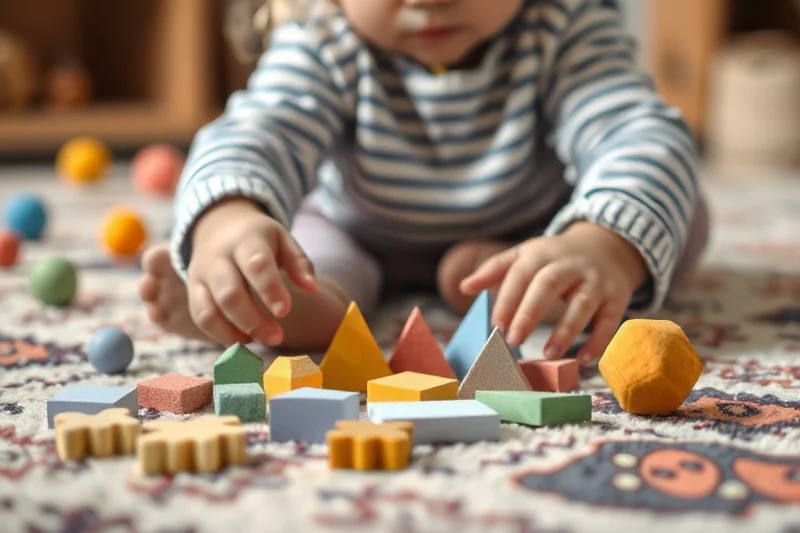
Tongs and tweezers are great tools for building fine motor skills. I got a set of plastic tongs and tweezers from a secondhand store for about $3. They are durable and have a gentle grip that's perfect for small hands. The idea is to use them to move small objects from one container to another, such as moving cotton balls or buttons into a bowl.
This activity is particularly helpful for kids who need more grip strength. I noticed that my son was able to use the tongs with more control after just a few days of practice. The challenge of getting the tongs to pinch the objects properly helped him build muscle memory and dexterity. It was also a great way to incorporate some light exercise into playtime.
I made sure the objects were safe — no sharp items — and I kept the activity short, around 10 minutes. After a few sessions, he was able to use the tongs more efficiently, and it was clear that his hand strength had improved. This is a simple activity that makes a big impact on development.[5]
Small tools, big results — tongs and tweezers are a game-changer for kids learning to use their hands.
Related: Budget fine motor skills activities easy
Playdough: A Versatile Tool for Fine Motor Growth
I always keep playdough on hand because it's a go-to for fine motor development. I purchased a 12-ounce container of playdough for about $3.50, and it lasted for weeks. My son loves squeezing, rolling, and kneading the dough, which helps build the muscle strength needed for writing and other tasks.
I often use playdough with small tools like cookie cutters or rolling pins to make the activity more engaging. He would roll the dough into snakes and then cut them with a plastic knife. It was a fun way to incorporate some sensory play into his development. The texture of the playdough also helps with tactile awareness, which is important for kids with sensory processing needs.
The best part about playdough is that it can be used for so many different activities. I have used it with letters, shapes, and even to practice writing. It’s a flexible and inexpensive way to support development without breaking the bank.
Adding different textures to playdough, like sand or rice, can enhance the sensory experience and make the activity more engaging. I once mixed in some rice to create a 'sandy' texture, and my son loved the added challenge of working with a different feel.
“I remember the first time my son struggled to pick up a small bead during a sensory activity — his fingers trembled, and the bead…”— Grippylittle editors
Related: Small fine motor activity
Building Fine Motor Skills Through Scissor Practice

I introduced scissor practice as soon as my son was ready, and it made a noticeable difference in his ability to handle writing tools. I bought a set of child-safe scissors for about $4, and they have been a staple in our play routine. The goal was to help him learn to cut along lines and shapes, which required controlled hand movements.
I used thick paper and even construction paper to make the task easier for him. He would cut out shapes and then arrange them into simple pictures. It was a great way to combine motor skills with creativity. I also used a cutting mat to keep the mess contained and to protect our table.
After a few weeks of consistent practice, his ability to cut straight lines improved dramatically. He even started to use both hands for better control. It was an easy activity to incorporate into our daily routine, and the progress was clear.
Related: Fine motor skills ideas for families
How to Create a Fine Motor Skills Kit at Home
I made a small fine motor skills kit using items I already had around the house. I gathered tongs, tweezers, small beads, pipe cleaners, playdough, and some paper. I also added a few small containers for sorting and transferring objects. This kit has become a favorite in our home because it offers variety and keeps the activities engaging.
The kit is easy to store in a small bin, and I can take it with us when we go to the park or on a trip. It's a great way to keep kids entertained while still supporting their development. I have noticed that the variety of activities in the kit helps keep my son interested and motivated to practice.
The best part is that the materials are all safe and affordable. We've used this kit for months, and it continues to be a valuable tool in his growth. It's also a great way to teach him responsibility by letting him take care of the kit and clean up after use.
⭐ Classic
A basic kit with playdough, beads, and pipe cleaners for foundational motor skill development.
💰 Budget
A no-cost version using household items like cotton balls, spoons, and paper for fine motor activities.
⚡ Extra-Fast
A 10-minute activity using tongs and small objects for quick skill-building sessions.
✨ Depth
A more advanced kit with scissors, paper, and small puzzles for older children or those with more developed motor skills.
🥗 Light
A sensory-friendly kit with soft materials and gentle textures to support kids with sensory processing needs.
| The mistake | Why it happens | The fix |
|---|---|---|
| Using unsafe tools or materials. | This can lead to injury or frustration for the child. | Always use child-safe tools and avoid small, sharp, or choking hazard items. |
| Making the activity too complicated. | This can overwhelm the child and reduce engagement. | Keep activities simple and focus on one skill at a time to build confidence. |
| Not allowing enough time for practice. | Development takes time and consistency. | Set a regular schedule for these activities and keep each session short and focused. |
| Ignoring the child's individual needs. | Every child develops at their own pace and may require different approaches. | Observe your child's progress and adjust the activities to suit their needs and abilities. |
What You'll Need tap to check off
- 1 lb Playdough
- ½ cup Small beads (wooden or plastic)
- Pipe cleaners (various colors)
Method tap a step when done
- Gather all materials: playdough, beads, and pipe cleaners.
- Create a small bin or container to hold the materials and tools.
- Add tongs, tweezers, and small containers for sorting activities.
- Place the playdough in a separate container to keep it fresh.
- Label the bin with a fun name like 'Fine Motor Fun Kit.'
- Store the kit in a safe place where kids can access it easily.
Key Facts
Related: Quick fine motor skills activities for toddlers
Quick Crafts For Fine Motor Skills
Related: Fine motor skills activities easy step by step
Common Questions
How often should I use these quick crafts for fine motor skills?
Are there any materials I should avoid?
Can these activities be done by preschoolers?
How long does it take to see results?
References
- Fine Motor : U.S. Bureau of Labor Statistics (bls.gov)
- CA PTKLF Physical Development - Resources (CA Dept of Education) (cde.ca.gov)
- Materials Guide: ITERS-3 and ECERS-3 - Bright from the Start (decal.ga.gov)
- Supporting the A in STEAM with Infants and Toddlers - ECLKC (headstart.gov)
- Improving Motor Skills in Early Childhood through Goal ... (pmc.ncbi.nlm.nih.gov)
Cite this guide
Grippylittle (2026). Quick Crafts For Fine Motor Skills. https://grippylittle.com/quick-crafts-for-fine-motor-skills/
Feel free to cite or share this guide.