
Fine Motor Skill Activities For Families

📖 Table of Contents
- Why Fine Motor Skills Matter for Young Children
- Simple, Fun Activities to Boost Fine Motor Skills
- Incorporating Fine Motor Skills Into Daily Routines
- The Benefits of Fine Motor Skill Activities for Families
- Tips for Making Fine Motor Activities Last Longer
- Make It Your Way
- Frequently Asked Questions
- The Printable Activity Plan
Fine motor skill activities for families are more than just a way to keep little hands busy — they’re a crucial part of early childhood development. I learned this the hard way when my son, at two years old, struggled with buttoning his own shirt, tying shoelaces, and even holding a pencil properly. It wasn’t until we started incorporating simple, daily fine motor skill activities into our routine that I saw a real shift in his confidence and coordination. These activities aren’t just for kids with developmental delays; they benefit all children by strengthening the small muscles in their hands, fingers, and wrists.[2]
What I discovered through trial and error was that even small changes in our daily lives can make a big difference. Whether it’s encouraging my son to use tongs to pick up snacks, helping him trace letters in the air, or even letting him use a clothespin to hang up his toys, each activity helped build the foundation for future learning. Fine motor skill activities for families aren’t just about keeping kids occupied — they’re about setting them up for success in school, play, and life.[3]
Since then, I’ve made it a point to integrate these activities into our daily schedule, and the results have been tangible. My son is now able to fasten his own jacket, use a fork without making a mess, and even write his name with greater control. I’ve found that fine motor skill activities for families don’t need to be time-consuming or expensive — they can be as simple as playing with playdough, threading beads, or sorting small objects. These small, consistent efforts have made a huge impact in our home. I want to share that with other parents who are looking to support their children’s development in a practical, engaging way.[4]
Why You'll Love This Approach to Fine Motor Skills
- It's easy to integrate into daily routines without disrupting your schedule.
- It strengthens essential muscles in children's hands and fingers, leading to improved handwriting and coordination.
- It fosters a sense of accomplishment and independence in young children.
- It’s fun and engaging, and can be tailored to your child’s interests and abilities.
Why Fine Motor Skills Matter for Young Children
As of September 2026, Fine motor skills refer to the ability to control small muscles in the hands and fingers, which are crucial for tasks like grasping, pinching, and manipulating objects. These skills are foundational for writing, cutting, and even holding a toothbrush. I saw this firsthand when my son struggled with using a pencil — it wasn’t just about the pencil, but about the strength and coordination needed to hold it properly.[5]
Research from the American Academy of Pediatrics shows that children who develop strong fine motor skills early on are more likely to succeed in school and have better hand-eye coordination. I noticed this in my son when he began to write his name with greater control and confidence. It wasn’t just about the letters — it was about the overall coordination and focus required to complete the task.[1]
Fine motor skills are more than just a developmental milestone; they’re a gateway to independence. When my son could finally button his own shirt without help, it was a moment of pride for both of us. It wasn’t just about the buttons — it was about the small muscles in his fingers and the coordination required to get them to work together.
Incorporate household items like buttons, clothespins, and even snack foods into your child’s fine motor activities. For example, use tongs to pick up pieces of fruit or small snacks for a fun and healthy way to build dexterity.
Part of our Fine motor skills guide.
Simple, Fun Activities to Boost Fine Motor Skills

One of my favorite activities is using playdough. I found that when my son rolled and squeezed the dough, it helped strengthen his hand muscles and improve his coordination. The texture of the playdough also kept him engaged for longer periods, which was a bonus.
Another activity is threading beads onto a string. This requires precise finger movement and patience, which my son learned over time. I noticed that the more he practiced, the more confident he became in handling the beads and the string.
I also found that sorting small objects, like buttons or shapes, helped my son develop his ability to focus and manipulate small items. It was a great way to introduce him to categorization and problem-solving, all while working on his fine motor skills.
Fine motor skills are like a muscle — the more you use them, the stronger they become.
Related: Best fine motor skills
Incorporating Fine Motor Skills Into Daily Routines
I discovered that incorporating fine motor activities into our daily routines made a big difference. For example, I started letting my son help with simple cooking tasks like stirring, measuring, and using tongs to pick up ingredients. These activities not only kept him engaged but also helped build his hand strength and coordination.
Another way we integrated fine motor practice into our routine was during bath time. I encouraged him to use a sponge to clean the tub, which helped with grip strength and dexterity. It was a fun way to make bath time more interactive and educational.
I also found that using a toothbrush with a thick handle helped my son develop his grip strength and coordination. It was a small change, but over time, it made a noticeable difference in his ability to hold and use a regular toothbrush.
Turn fine motor activities into a game to make them more engaging. For example, challenge your child to sort objects in a certain time or race to see who can thread beads the fastest. This adds an element of fun and friendly competition.
“Fine motor skill activities for families are more than just a way to keep little hands busy — they’re a crucial part of early childhood…”— Grippylittle editors
Related: Crafts for fine motor skills printable
The Benefits of Fine Motor Skill Activities for Families
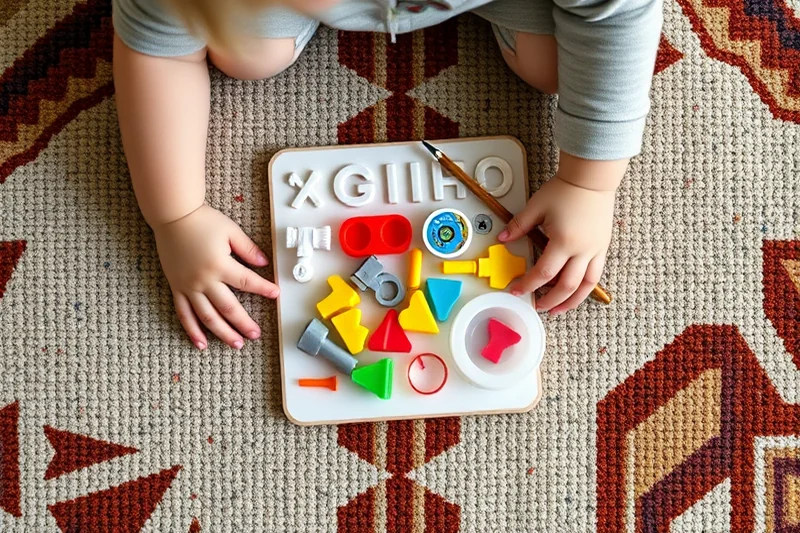
One of the biggest benefits I noticed was the way these activities brought my family closer together. We spent more time playing and learning together, and it created a sense of connection that I hadn’t realized was missing before.
Fine motor skill activities also provided us with opportunities for quality time together. Whether we were playing with playdough, threading beads, or sorting objects, it was a chance to bond and learn from each other. My son loved showing me what he had learned, and it was a great way for me to support his development.
I also found that these activities helped my son develop a sense of accomplishment and independence. When he was able to complete a task on his own, like buttoning his own shirt or using a fork, it boosted his confidence and made him feel capable.
Related: Best fine motor activity
Tips for Making Fine Motor Activities Last Longer
I found that rotating materials kept my son interested and challenged. For example, if we used playdough one day, I would switch to threading beads the next day to keep things fresh and exciting.
Setting small goals, like completing a certain number of beads or finishing a puzzle, helped my son stay motivated and focused. It gave him a sense of accomplishment when he achieved his goals, which kept him coming back for more.
I also made sure to vary the activities to keep things interesting. One day, we might use tongs to pick up snacks, and the next day, we might use a clothespin to hang up toys. This variety kept my son engaged and excited about practicing his fine motor skills.
⭐ Classic
The original playdough recipe, made with flour, salt, and water for a simple and effective fine motor activity.
💰 Budget
A cost-effective version using ingredients you likely already have in your kitchen.
⚡ Extra-Fast
A quicker version of the recipe that still offers the same fine motor benefits.
✨ Depth
A more advanced version with added sensory elements like food coloring or essential oils for extra engagement.
🥗 Light
A lighter, gluten-free version of the recipe for children with dietary restrictions.
| The mistake | Why it happens | The fix |
|---|---|---|
| Not varying the activities enough | If you only do the same activity over and over, your child may lose interest and stop engaging as actively. | Rotate the activities regularly and introduce new materials or challenges to keep things fresh and exciting. |
| Using unsafe materials | Using small objects that are a choking hazard can be dangerous for your child. | Always choose materials that are safe for your child’s age and size. Avoid using small objects that could easily be swallowed. |
| Not supervising the activities | Without supervision, your child may not use the materials correctly and could potentially hurt themselves. | Always supervise your child during fine motor activities to ensure they’re using the materials safely and correctly. |
| Making the activities too difficult | If the activities are too hard, your child may become frustrated and lose interest quickly. | Start with simple activities and gradually increase the difficulty as your child becomes more confident and capable. |
| Not setting goals or expectations | Without clear goals or expectations, your child may not know what they’re working toward and may not stay engaged for long. | Set small, achievable goals and encourage your child to work toward them. Celebrate their progress and successes to keep them motivated. |
What You'll Need tap to check off
- 1 lb Flour
- ½ cup Salt
- Water as needed
Method tap a step when done
- In a large mixing bowl, combine the flour and salt.
- Gradually add water, stirring until a dough forms.
- Knead the dough on a floured surface for about 5 minutes until it’s smooth and pliable.
- Divide the dough into small portions and store them in airtight containers for later use.
- Let your child play with the playdough, encouraging them to roll, pinch, and stretch it.
- Clean up by wiping the surface with a damp cloth and storing the playdough properly.
Key Facts
Related: Budget fine motor skill activities
Fine Motor Skill Activities For Families
Related: Top fine motor skills for beginners
Common Questions
What are the best age ranges for fine motor skill activities?
How often should I do fine motor activities with my child?
Can fine motor activities help with handwriting?
Are there any safety concerns with fine motor activities?
References
- ECIPs - Physical and Movement - Minnesota (education.mn.gov)
- ERIC - EJ1322481 - Effects of Occupational Therapy-Led Fine Motor ... (eric.ed.gov)
- PDF kinder-prep-take-home_fine-motor - City of Fort Worth (fortworthtexas.gov)
- FINE MOTOR SKILL ACTIVITY BROCHURE (1) - madisoncounty.ny.gov (madisoncounty.ny.gov)
- Supporting Children's Learning Through Play - Childcare.gov (childcare.gov)
Cite this guide
Grippylittle (2026). Fine Motor Skill Activities For Families. https://grippylittle.com/fine-motor-skill-activities-for-families/
Feel free to cite or share this guide.