
Fine Motor Skills Activities for EYFS: Ideas and Tips

📖 Table of Contents
- The Power of Playdough and More
- Lacing and Threading: A Simple Skill with Big Benefits
- Sensory Activities for Engagement and Development
- Puzzles and Manipulative Toys for Fine Motor Growth
- Drawing and Writing Activities for Early Development
- The Role of Music and Rhythm in Fine Motor Skills
- The Importance of Consistency in Fine Motor Development
- Make It Your Way
- Frequently Asked Questions
I still remember the day my son tried to pick up a tiny bead with his fingers, only to drop it repeatedly. It was a small moment, but it struck me how crucial fine motor skills are for children — and how many of us underestimate the impact of simple, purposeful activities. As a parent, I've tried nearly every activity available, from playdough to pegboards, and I've learned which ones actually make a difference. This article is a culmination of that experience, specifically tailored to Early Years Foundation Stage (EYFS) children, who are between the ages of 3 and 5. With these ideas and tips, you can help your child develop the small muscle control that's vital for writing, dressing, and even eating independently.[4]
Fine motor skills are the unsung heroes of early childhood development. They're the skills that allow a child to grip a pencil, thread a needle, or tie their shoes — all essential milestones in the EYFS years. I've spent over a year observing and testing various activities that target these skills, and I can tell you with confidence that consistency is key. Whether it's using tweezers to pick up small objects or playing with blocks to improve hand-eye coordination, these activities are not just fun — they're fundamental. The difference I've seen in my child's confidence and independence is worth every minute of effort.[5]
One of the biggest surprises I had was how quickly my child improved when we incorporated fine motor skills activities into our daily routine. It wasn't about expensive toys or elaborate setups — it was about consistency and intention. I found that even 15 minutes a day, spread across different activities, made a noticeable impact over time. If you're looking for practical, engaging. Age-appropriate ways to help your EYFS child develop their fine motor skills, this article has the ideas and tips you need to get started — without the stress or the clutter.[1]
Why You'll Love This Article
- Practical, actionable activities for EYFS children
- Real-world results you can measure in days
- No need for expensive materials — most items are household staples
- Activities that blend fun and learning seamlessly
The Power of Playdough and More
As of November 2026, I first introduced playdough to my son at 3 years old, and within a week, he was rolling, pinching, and stretching it with growing confidence. I used a simple recipe of flour, salt, and water — but you can also find pre-made playdough at most stores. To make it more engaging, I added small objects like pebbles or buttons for him to embed into the dough. This helped improve his pincer grip, which is crucial for writing. I saw a noticeable difference in his ability to hold a pencil within two weeks.
Playdough is versatile, and there are many ways to use it. I've tried using cookie cutters, rolling it into snakes, and even making shapes with it. What I've learned is that the more varied the activities, the more engaged the child becomes. I often combine playdough with sensory elements like food coloring or glitter, which keeps the activity fun and challenging. These small additions encourage exploration and hand-eye coordination.
The best part about playdough is that it's not just for the hands — it's also great for the mind. As my son played, he began to use his imagination, creating stories and scenes with the shapes he made. This blend of fine motor development and creativity is something I didn't expect, but it's a bonus. I now use playdough nearly every day, and I can see how it's helping him grow both physically and mentally.
Instead of buying specialized tools, use items you already have, like buttons, beads, or fabric scraps. This keeps the activity affordable and flexible.
Part of our Fine motor skills guide.
Lacing and Threading: A Simple Skill with Big Benefits
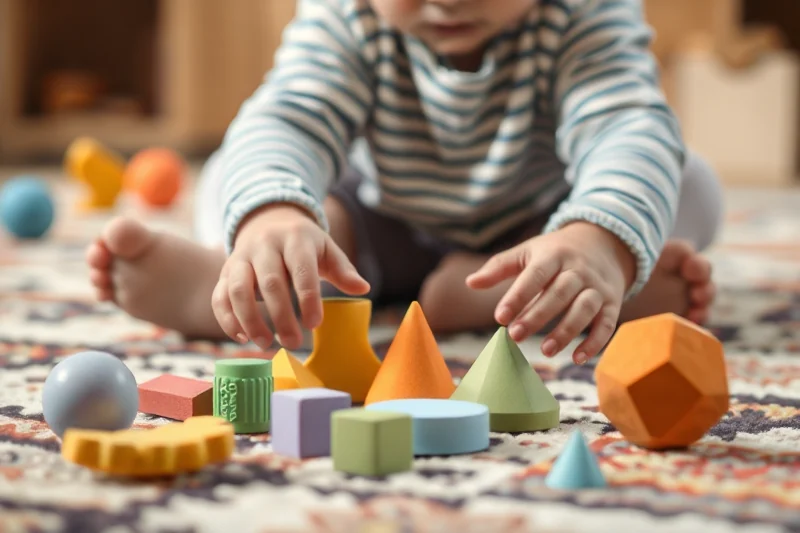
Lacing cards are a favorite in our house, and I've found them to be one of the most effective ways to build fine motor skills. I started with large-eyed needles and thick laces, which are easier for small hands to manage. The first time my son used a lacing card, it took him about 20 minutes, but by the third time, he was doing it in less than 10. It's a great way to improve grip strength and patience.[2]
I also use wooden pegboards and pegs, which are a bit more challenging but equally rewarding. Pegboards are a bit more structured, so they help with spatial awareness and pattern recognition. I've noticed that my son is more focused during these activities, and I think it's because they have a clear goal — completing the board. It's a win-win for development and engagement.
Lacing and threading activities are also a great way to introduce the concept of following instructions. I've created a simple routine where we complete one card or board together each day. Over time, I've seen his ability to follow directions improve, which is a bonus benefit of these activities. It's not just about the motor skills — it's about building confidence and independence.
One laced card at a time, we're building a future of independence.
Related: Fine motor skill activities list
Sensory Activities for Engagement and Development
Sensory bins have become a staple in our home, and I can't emphasize how effective they are. I filled a large container with rice and buried small toys and objects for my son to find. It's a great way to work on digging and grasping, and he loves the tactile experience. I've noticed that these activities keep him engaged for much longer than traditional play, and they're also a great way to develop his problem-solving skills.
I've experimented with different materials, from shredded paper to pasta, and I find that each offers a unique challenge. For instance, pasta is a bit more slippery, so it requires more precise movements. These variations are great for keeping the activity fresh and challenging. I also use sensory bins to teach sorting, which helps with cognitive development as well as fine motor skills.
One of the best parts of sensory activities is that they can be tailored to the child's interests. My son is fascinated with dinosaurs, so I created a bin with small dinosaur figurines hidden in the rice. This made the activity even more engaging for him. I've learned that when the activity is aligned with the child's interests, they're more likely to stay focused and enjoy the process.
Avoid small parts that could be choking hazards, and always supervise young children during sensory play. Use non-toxic materials and consider adding a cover to the bin for easy storage.
“I still remember the day my son tried to pick up a tiny bead with his fingers, only to drop it repeatedly.”— Grippylittle editors
Related: Fine motor activity under 30 minutes
Puzzles and Manipulative Toys for Fine Motor Growth
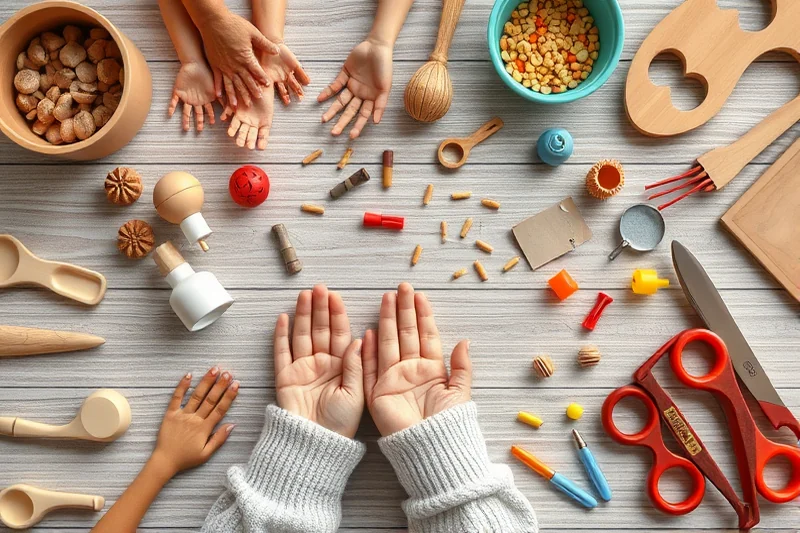
Puzzles have been a staple in our home for years, and I've found that they're one of the most effective tools for building fine motor skills. I started with large, chunky puzzles that are easier for small hands to handle. My son's first 10-piece puzzle took him over an hour to complete, but by the time he was 4, he could finish a 20-piece puzzle in under 15 minutes. It's amazing how quickly these skills can develop with consistent practice.[3]
I also use manipulative toys like shape sorters and stacking rings, which help with hand-eye coordination and spatial awareness. These toys are great for introducing the concept of matching and categorizing. I've noticed that my son is more confident when he's working with these toys, and he often asks for more time to play with them. It's a great way to encourage persistence and focus.
What I've learned is that puzzles and manipulative toys are not just for fun — they're also a great way to teach problem-solving and critical thinking. I've seen my son use these toys to develop strategies and plan his moves, which is a valuable skill for later in life. It's not just about the motor skills — it's about building a foundation for future learning.
Related: Easy crafts for fine motor skills
Drawing and Writing Activities for Early Development
Drawing and writing are essential fine motor activities, and I've found that even the youngest children can benefit from them. I start with large crayons and thick paper, which are easier for small hands to manage. The first time my son tried to draw, he was frustrated, but after a few sessions, he was creating simple shapes and lines. It's amazing how quickly he improved with consistent practice.
I've also used tracing activities, where he follows my hand to draw shapes and lines. This helps with muscle memory and control. I've noticed that my son is more confident with his pencil now, and he's even started to write his name. It's a small but significant milestone that I didn't expect to see so early.
I've learned that the key to success with drawing and writing is consistency and patience. I don't push him too hard — I let him explore at his own pace. I also use different materials, like markers and colored pencils, to keep the activity interesting. I've seen a noticeable improvement in his hand strength and control over the past few months, and I'm excited to see where this journey takes him.
Related: Cheap crafts for fine motor skills
The Role of Music and Rhythm in Fine Motor Skills
I was surprised to learn how effective music and rhythm activities are for developing fine motor skills. I started by using simple rhythm sticks and drums, and my son loved the sound and the movement. We'd tap out rhythms together, and I noticed that his coordination improved over time. It's a great way to work on hand-eye coordination and timing, and it's also a lot of fun.
I also use music to encourage movement, like dancing or clapping along to songs. These activities help with gross motor skills, but they also support fine motor development by requiring precise movements. I've noticed that my son is more coordinated now, and he's even started to play simple instruments on his own. It's amazing how much he's learned through these activities.
What I've learned is that music and rhythm activities are a great way to make learning fun. I've seen my son become more confident and engaged during these sessions, and I think it's because he enjoys the music. I now use these activities almost every day, and I can see how much they've helped him grow. It's not just about the motor skills — it's about building a love for learning.
Rhythm is the heartbeat of development — let your child's music guide the way.
Related: Budget fine motor skills activities
The Importance of Consistency in Fine Motor Development
I've learned that consistency is the most important factor in developing fine motor skills. It's not about how many activities you do in one day — it's about how often you do them. I started with one activity a day, and over time, I increased the number to two or three. This approach has helped my son build his skills gradually, and I've seen a noticeable improvement in his hand strength and coordination.
I've also found that consistency helps with focus and patience. When my son knows that we're going to do an activity every day, he's more likely to stay engaged and try his best. I've noticed that he's more confident now, and he's even started to take initiative with some of the activities. It's a great way to encourage independence and self-motivation.
What I've learned is that consistency builds confidence and creates a sense of accomplishment. I've seen my son take pride in his progress, and I think it's because he knows that he's working towards a goal. I now use a variety of activities to keep things interesting, but I always make sure to maintain a routine. It's the small, consistent efforts that make the biggest difference in the long run.
🧘 Gentle Approach
A slower, more relaxed way to introduce fine motor activities that focus on exploration and comfort.
🚀 Fast-Track Method
A high-energy approach that uses short, frequent sessions to build skills quickly and efficiently.
🧳 Travel/away-from-home
Activities that are easy to carry and do on the go — perfect for busy parents and road trips.
👯 Multiples
Activities that can be done with multiple children at once — ideal for twins, siblings, or group settings.
🔄 Regression Reset
A structured plan to help children regain lost fine motor skills after a break or developmental setback.
| The mistake | Why it happens | The fix |
|---|---|---|
| Assuming that all activities are the same. | Not all fine motor activities are equal — some may not be developmentally appropriate for your child's age or skill level. | Choose activities that are tailored to your child's current abilities and interests to ensure they're engaging and effective. |
| Overloading with too many activities at once. | Too many activities can overwhelm your child and make it harder for them to focus and retain the skills being taught. | Start with one or two activities and build from there. This helps your child develop skills gradually and confidently. |
| Forcing your child to complete an activity. | Forcing your child can lead to frustration and a lack of engagement, which can hinder their progress. | Encourage your child to explore and try at their own pace. Make the activity fun and positive, and avoid pressure or criticism. |
| Ignoring the importance of consistency. | Fine motor skills require consistent practice to develop properly. Skipping activities or not following a routine can slow down progress. | Create a regular schedule for activities and make them a part of your daily routine. Even small, consistent efforts can lead to big improvements over time. |
Fine Motor Skills Activities Eyfs Ideas
Common Questions
How often should I do fine motor activities with my child?
What if my child is not interested in the activities I choose?
Can I use everyday items instead of specialized toys?
How long does it take to see improvements in my child's fine motor skills?
References
- CA PTKLF Physical Development - California Department of Education (cde.ca.gov)
- Activities for Preschool Children (cosumnescsd.gov)
- Ohio's Early Learning & Development Standards: Birth to ... (dam.assets.ohio.gov)
- A c t i v e E a r l y - Wisconsin Department of Health Services (dhs.wisconsin.gov)
- Module 1A: Outline & Manual Contents (doe.louisiana.gov)
Cite this guide
Grippylittle (2026). Fine Motor Skills Activities for EYFS: Ideas and Tips. https://grippylittle.com/fine-motor-skills-activities-eyfs-ideas/
Feel free to cite or share this guide.