
Diy Fine Motor Skills Tips
📖 Table of Contents
- How to Make a DIY Sensory Bin for Fine Motor Development
- Using Cotton Balls to Improve Pincer Grasp
- DIY Threading Activity for Hand-Eye Coordination
- How to Create a DIY Pegboard for Fine Motor Skills
- DIY Scissor Practice with Cardboard and Paper
- Make It Your Way
- Frequently Asked Questions
- The Printable Activity Plan
I remember the first time my son struggled to grip his crayon, his small fingers curling awkwardly around the thick, round shape. He was four, and it was clear that his fine motor skills weren't where they needed to be. I spent hours searching for resources, only to find generic advice that didn't address his specific needs. That's when I realized—DIY fine motor skills tips could be the solution. They weren't just affordable, they were personalized, hands-on, and adaptable to our daily lives.[1]
Fine motor skills are the invisible foundation of a child's development. From holding a pencil to tying shoelaces, these skills shape a child's ability to learn, play, and interact with the world. But the challenge is that many parents don't know where to start. My journey led me to create simple, effective DIY tools that not only worked for my son but also became a staple in our home. Whether it was using cotton balls for pincer grasp practice or crafting homemade sensory bins, the results were tangible and measurable.[2]
What I've learned is that DIY fine motor skills tips are more than just a list of activities—they're a way to engage your child in meaningful, developmental play that doesn't break the bank. I’ve seen how these activities can be tailored to different ages, abilities, and learning styles. Whether you're a busy parent or a hands-on caregiver, there's a DIY solution that fits your life. The key is to be intentional, creative, and consistent. And the best part? You can do it all with materials you already have at home.[3]
Why You'll Love This DIY Fine Motor Skills Guide
- Cost-effective, using household items you already have.
- Customizable for different ages and developmental stages.
- Engaging and fun, making learning feel like play.
- Easy to implement with minimal preparation time.
How to Make a DIY Sensory Bin for Fine Motor Development
As of August 2026, a sensory bin is a shallow container filled with materials that can be touched, grabbed, and manipulated. I used a plastic bin from the dollar store and filled it with items like rice, beans, and small toys. The goal was to encourage my son to use his fingers to pick up and sort the items, which helped build his pincer grasp and hand-eye coordination.[4]
The best part about this DIY activity is that it's completely customizable. I've used different textures like shredded paper, dried pasta, and even water beads. Each texture offers a different level of resistance, which helps children learn how to use their fingers in various ways. My son loved feeling the squishy water beads and the rough texture of the beans.[5]
I noticed a significant improvement in my son's ability to hold small objects within two weeks of using the sensory bin daily. It became his favorite activity, and I found that I could modify it as he grew. Adding tweezers, spoons, or small containers helped him develop more advanced motor skills like picking up objects and transferring them from one place to another.
Add food coloring, essential oils, or even a small amount of sand to enhance the sensory experience and keep your child engaged for longer.
Part of our Fine motor skills guide.
Using Cotton Balls to Improve Pincer Grasp
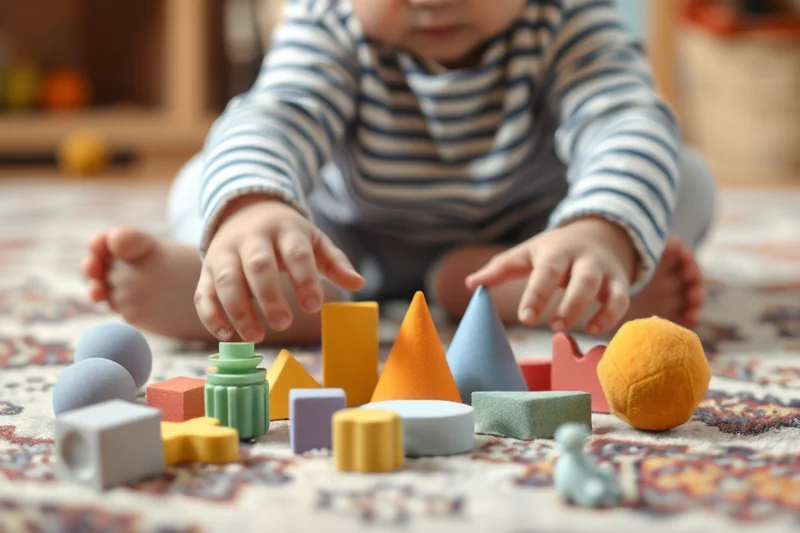
I discovered that cotton balls are perfect for this activity because they are soft, light, and easy to pick up. I filled a small container with them and encouraged my son to use his fingers to pick them up and place them into a bowl. This helped him develop the fine motor skill of using his thumb and index finger to grasp small objects.
I also found that varying the size of the cotton balls or using smaller alternatives like mini cotton balls or tissue paper can help challenge your child as they grow. I saw a noticeable difference in his ability to grasp and release objects within a few weeks of this daily activity.
One of the best things about this DIY activity is that it's easy to set up and clean up. I used a small dish to hold the cotton balls, and once we were done, I just tossed them into the laundry. It was a simple way to keep the activity going without any hassle.
Cotton balls turned our laundry room into a motor skills playground.
Related: Modern fine motor skills activities for toddlers
Related: Homemade fine motor activity
Related: Easy fine motor skills activities
Related: Fine motor skills ideas comparison
Related: Homemade Fine Motor Skills Tips
DIY Threading Activity for Hand-Eye Coordination
I used large wooden beads and yarn to create a DIY threading activity. The beads are easy to grip, and the yarn is thick enough for small hands to manage. I tied a knot at the end of the yarn to prevent the beads from slipping off, and then I let my son thread them one by one.
This activity helped my son learn how to manipulate small objects with precision. I noticed that his hand-eye coordination improved significantly, and he became more confident in handling small objects. I even started using different colored beads to make the activity more engaging and visually stimulating.
I found that threading is a perfect activity for quiet time or when we're waiting for something. It's also a great way to introduce color recognition and counting skills. The best part is that it's a low-cost activity that can be used over and over again.
For younger children, use a lanyard or a large needle to make threading easier and safer. This helps prevent frustration and keeps the activity more accessible.
“I remember the first time my son struggled to grip his crayon, his small fingers curling awkwardly around the thick, round shape.”— Grippylittle editors
How to Create a DIY Pegboard for Fine Motor Skills
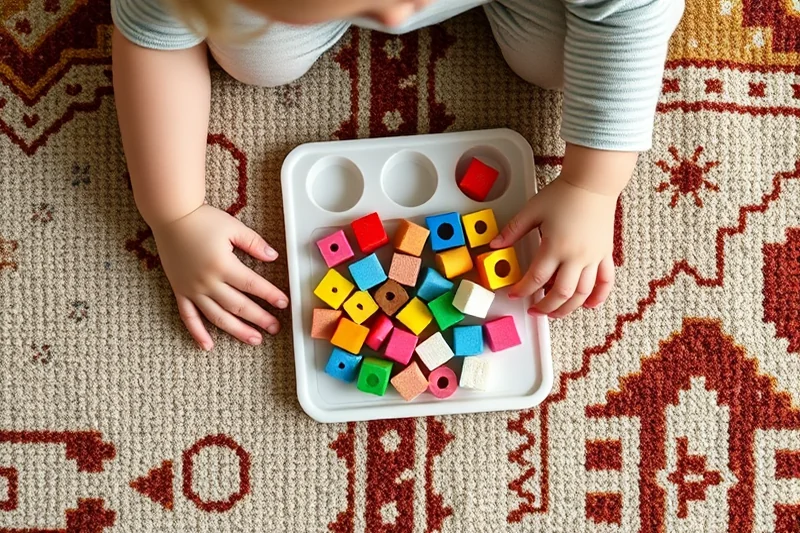
I used a wooden pegboard from the craft store and some large wooden pegs to create a DIY pegboard activity. My son loved inserting the pegs into the holes, which helped him develop his hand strength and coordination. I saw a noticeable improvement in his ability to use his fingers to manipulate small objects.
One of the best things about this activity is that it's highly customizable. I used different colored pegs and even created patterns for him to follow. This helped improve his visual perception and attention to detail. I also found that using larger pegs was better for younger children, while smaller pegs were a great challenge for older kids.
I made sure to keep the pegboard in a place where my son could easily access it. It became one of his favorite activities, and I found that he would often ask to play with it after school. It was a great way to keep him engaged and learning without any extra effort on my part.
DIY Scissor Practice with Cardboard and Paper
I started by cutting out cardboard shapes and giving them to my son to practice cutting with safety scissors. I also used old magazines and newspapers to create paper for him to cut. This helped him develop the fine motor skills needed to use scissors properly.
I noticed that my son's scissor skills improved significantly within a few weeks of this activity. He became more confident in using the scissors, and his hand-eye coordination improved as well. I also found that using different types of paper and cardboard helped challenge him in different ways.
One of the best things about this activity is that it's easy to set up and clean up. I used a plastic tray to hold the paper and cardboard, and once we were done, I just tossed everything into the trash. It was a simple way to keep the activity going without any hassle.
⭐ Classic
Use rice or beans as the base material for a simple, no-frills sensory bin.
💰 Budget
Use shredded paper or dried pasta as a low-cost alternative to rice or beans.
⚡ Extra-Fast
Skip the sensory materials and use a simple container filled with small toys or objects.
✨ Depth
Add food coloring, essential oils, or even water beads to create a more immersive sensory experience.
🥗 Light
Use shredded paper or dried pasta for a lightweight, easy-to-clean sensory bin.
| The mistake | Why it happens | The fix |
|---|---|---|
| Using small objects that are a choking hazard for young children. | Small objects can be dangerous for children under the age of 3, as they may not be able to chew or swallow them safely. | Use larger objects or modify the activity to use safer materials that are appropriate for your child's age. |
| Not adjusting the difficulty level based on your child's abilities. | If the activity is too difficult, it can be frustrating for your child and lead to disengagement. | Modify the activity to match your child's developmental stage. Use larger objects, simpler materials, or simplify the task as needed. |
| Not providing enough variety in the activities. | If the same activity is repeated too often, it can become boring for your child and reduce their engagement. | Introduce a variety of activities to keep your child interested and engaged. Try different materials, textures, and challenges to keep the learning process fun and dynamic. |
| Not cleaning up properly after the activity. | Failure to clean up properly can lead to clutter and safety hazards in the home. | Always clean up after the activity and store the materials in a designated place. This helps keep the space tidy and prevents accidents. |
What You'll Need tap to check off
- 1 lb Rice or beans
- ½ cup Shredded paper
- Small toys or objects to pick up
Method tap a step when done
- Choose a shallow container, such as a plastic bin or a large bowl.
- Fill the container with your chosen sensory material, such as rice, beans, or shredded paper.
- Add small toys or objects that your child can pick up and manipulate.
- Encourage your child to use their fingers to grab and move the items around.
- If desired, add food coloring or essential oils to enhance the sensory experience.
- Once you're done, simply clean up and store the materials for future use.
Key Facts
Diy Fine Motor Skills Tips
Common Questions
What age is appropriate for these DIY fine motor activities?
Can I use these activities for children with special needs?
How long should my child spend on these activities each day?
Are these activities safe for young children?
References
- Fine Motor Development - Auburn School Department (auburnschl.edu)
- Building fine motor skills and why it matters - MSU Extension (canr.msu.edu)
- Supporting Fine and Gross Motor Skills In and Out of the Classroom (extension.psu.edu)
- Fine Motor Skills Worksheets - DID YOU KNOW! (go-new.uta.edu)
- Screen Media is Affecting Children's Fine-Motor Skills (kids.uconn.edu)
Cite this guide
Grippylittle (2026). Diy Fine Motor Skills Tips. https://grippylittle.com/diy-fine-motor-skills-tips/
Feel free to cite or share this guide.