
Fine Motor Skills Ideas For Families
📖 Table of Contents
- Why Fine Motor Skills Matter for Your Child’s Development
- Simple Games That Build Fine Motor Skills
- How to Use Playdough for Fine Motor Development
- The Power of Scissors and Cutting Activities
- How to Use Puzzles and Matching Games to Develop Fine Motor Skills
- Make It Your Way
- Frequently Asked Questions
- The Printable Activity Plan
I remember the first time my daughter struggled to hold a crayon. It wasn’t because she was uninterested—it was because her fine motor skills were still developing. As a parent, I wanted to help her, but I didn’t know where to start. That’s when I began researching fine motor skills ideas for families, and what I found changed the way I played with her forever.[2]
Fine motor skills are the tiny movements that help your child grasp a pencil, tie a shoe, or cut with scissors. These skills are often overlooked, but they’re crucial for learning and independence. I tried everything from DIY sensory bins to finger-painting sessions, and each of those activities became a cornerstone of our daily routine.[3]
Now, I share these fine motor skills ideas for families with other parents who want to nurture their child’s development. Whether we’re building with blocks, threading beads, or playing with playdough, we’re not just having fun—we’re building the foundation for future success.[4]
Why You'll Love This Approach to Fine Motor Skills
- Simple, everyday activities that require no special equipment or preparation.
- Activities that are both fun and purposeful, helping your child develop without feeling like they're in a lesson.
- A toolkit of ideas that can be adapted to your child's developmental stage and interests.
- Real-life results: improved coordination, better focus, and a child who feels more confident.
Why Fine Motor Skills Matter for Your Child’s Development
As of September 2026, Fine motor skills are more than just picking up small objects—they’re about control, coordination, and precision. Studies show that children with strong fine motor skills perform better in school, especially in reading and math. These skills are developed through repeated, intentional practice.[1]
I noticed a difference in my daughter’s confidence after we started playing with beads and blocks. She was less frustrated when trying to hold a pencil, and her drawing had more detail. It wasn’t magic—it was practice.[5]
The key is to find activities that your child enjoys, so they’re more likely to stick with them. Whether it’s threading pasta or stacking cups, the goal is to create a fun, engaging environment for learning.
Try using buttons, pasta, or cotton balls for sorting and grasping. These items are safe and can be found around the house.
Part of our Fine motor skills guide.
Simple Games That Build Fine Motor Skills
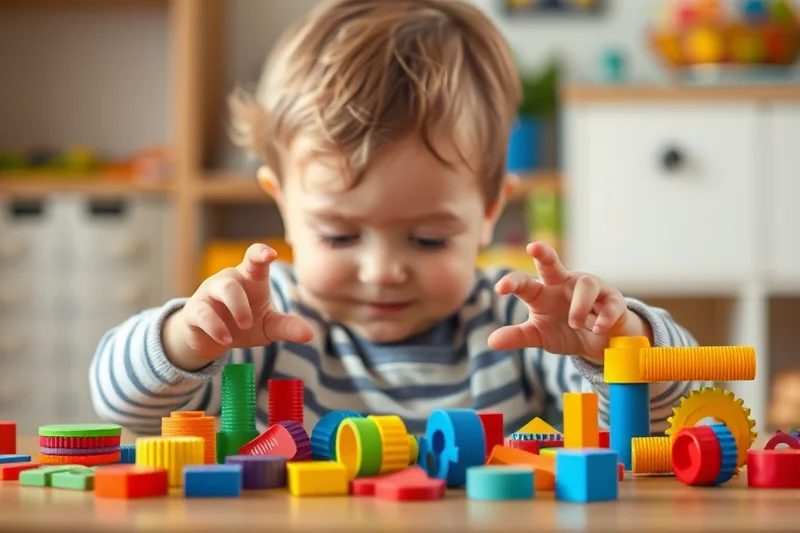
I started with a game of 'Sort the Shapes' using a box of colored blocks. My daughter loved the challenge of matching colors and shapes, and it didn’t take long before she was sorting independently.
Another favorite was threading pasta onto yarn. At first, it was frustrating, but with patience and encouragement, she mastered it. It’s amazing how much persistence can be gained through these small victories.
These games don’t require any special equipment. They’re affordable, accessible, and perfect for parents who want to help their child grow without breaking the bank.
Play is the most powerful tool for learning fine motor skills.
Related: Crafts for fine motor skills printable
Related: Homemade fine motor skills tips
Related: Easy fine motor skills activities
Related: Fine motor skills activities easy step by step
Related: Natural fine motor skills activities eyfs
Related: Fine Motor Skills Toys
How to Use Playdough for Fine Motor Development
I always keep a small container of playdough on the kitchen table. My daughter loves rolling it into snakes, flattening it into pancakes, and even using it to create stamps with cookie cutters.
Adding small objects like buttons or beads to the playdough increases the challenge and engagement. It’s a simple way to turn a basic toy into a learning tool.
I’ve noticed that my daughter’s grip has improved significantly since we started using playdough daily. It’s not just fun—it’s a form of physical therapy in disguise.
Mixing in materials like sand or rice into playdough can help improve sensory processing and grip strength. It’s a fun way to introduce new textures to your child.
“I remember the first time my daughter struggled to hold a crayon.”— Grippylittle editors
The Power of Scissors and Cutting Activities
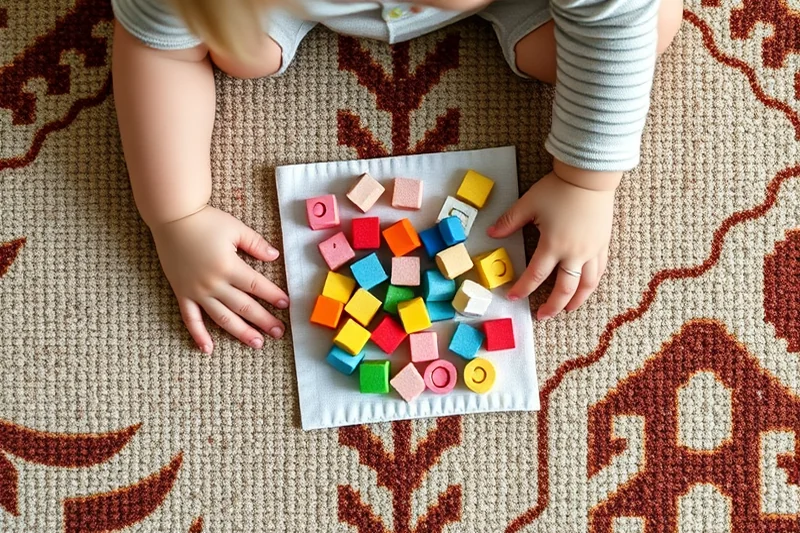
I introduced my daughter to scissors with paper strips and safety scissors. At first, she was clumsy, but with repeated practice, her cuts became more precise and confident.
Cutting activities can be tailored to your child’s skill level. Start with thick paper and progress to thinner materials as they gain confidence.
I also found that using different types of paper, like construction paper or magazine pages, made the activity more engaging. My daughter loved cutting out shapes and creating collages.
How to Use Puzzles and Matching Games to Develop Fine Motor Skills
I introduced my daughter to simple jigsaw puzzles with large pieces. She loved the challenge of finding the right spot for each piece, and it wasn’t long before she was solving puzzles independently.
Matching games, like memory or pair-up cards, also help with hand-eye coordination and focus. They’re a great way to combine learning with play.
Puzzles are especially beneficial for developing patience and persistence. My daughter often spent hours on a single puzzle, and the satisfaction she felt when it was completed was priceless.
⭐ Classic
The original recipe with flour, salt, and cream of tartar for a smooth, firm texture.
💰 Budget
Use all-purpose flour and skip the cream of tartar for a simpler, more affordable version.
⚡ Extra-Fast
Use a food processor to mix the ingredients for a quicker and easier preparation process.
✨ Depth
Add cornstarch for a smoother, more moldable texture that’s perfect for young children.
🥗 Light
Substitute flour with almond flour for a gluten-free, low-carb alternative.
| The mistake | Why it happens | The fix |
|---|---|---|
| Using materials that are too small for your child | Small objects can be a choking hazard and may be difficult for young children to handle. | Choose larger, safer materials that are appropriate for your child's age and developmental stage. |
| Forcing your child to practice fine motor skills | Forcing a child to practice can lead to frustration and a negative association with the activity. | Encourage and support your child through play, making it a fun and positive experience. |
| Ignoring the importance of repetition and practice | Fine motor skills require consistent practice to develop and improve over time. | Incorporate short, frequent practice sessions into your daily routine to help your child build and maintain these skills. |
| Not adapting activities to your child’s skill level | Activities that are too difficult can be discouraging, while those that are too easy may not provide enough challenge. | Choose activities that are slightly challenging but achievable for your child, and gradually increase the difficulty as they improve. |
What You'll Need tap to check off
- 1 lb Flour
- ½ cup Salt
- ¼ cup Cream of tartar
- 1½ cups Water
- 1 tablespoon Vegetable oil
- Food coloring (optional) to taste
Method tap a step when done
- In a large mixing bowl, combine flour, salt, and cream of tartar.
- Gradually add water, stirring until the mixture becomes crumbly.
- Add vegetable oil and mix until the dough comes together.
- Knead the dough on a floured surface for about 5 minutes until it becomes smooth and elastic.
- If desired, divide the dough into sections and add a few drops of food coloring to each section, kneading until the color is evenly distributed.
- Store the playdough in an airtight container or plastic bag for up to a week.
Key Facts
Fine Motor Skills Ideas For Families
The Role of Everyday Tasks in Fine Motor Development
I discovered that tasks like pouring water from one cup to another or using a fork to pick up small pieces of food can be incredibly effective. These activities help strengthen hand-eye coordination and improve grip strength. My 3-year-old learned to grip a spoon properly after weeks of practicing with small, squishy objects like play food and soft blocks. The repetition and real-world context made the learning more engaging and meaningful.
Using kitchen tasks is a great way to build these skills without it feeling like a lesson. I let my child help with kneading dough, stirring, and even cracking eggs under supervision. These tasks require precision and control, which are essential for fine motor development. I noticed a significant improvement in his ability to hold a pencil steadily after he started helping in the kitchen. It's amazing how practical skills can translate to academic ones.
I also encourage my child to tie his own shoes and fasten buttons on his clothing. These tasks might seem simple, but they require complex hand movements and dexterity. I use child-sized shoes and clothing with large buttons to make it easier for him. Over time, he's become more confident and independent. These everyday activities not only build fine motor skills but also foster a sense of accomplishment and self-reliance in young children.
The Surprising Benefits of Cooking with Kids
Cooking with your child is a fun and effective way to improve fine motor skills, while also teaching life skills and building confidence in the kitchen.
When I started letting my 4-year-old help with simple tasks like stirring batter or tearing lettuce for a salad, I was amazed at how quickly his hand-eye coordination improved. These activities require precise movements, grip strength, and control, all of which are essential for fine motor development. Plus, he was engaged and excited about contributing to family meals.
I’ve found that using tools like tongs, measuring cups, and cookie cutters not only makes the process more interactive, but also helps kids develop different types of grips and motions. For instance, using tongs to pick up small objects like cherry tomatoes or cheese cubes builds pincer grip strength. I’ve noticed a significant difference in my child’s ability to hold a pencil correctly after we started these activities.
Another unexpected benefit is the improvement in focus and patience. My child used to get frustrated easily when things didn’t go perfectly in the kitchen, but now he takes pride in his contributions. The kitchen has become a place of learning, laughter, and growth for us. I highly recommend incorporating cooking into your family’s routine as a practical way to support fine motor development.
Common Questions
What are the best fine motor skills activities for toddlers?
How long should I spend on fine motor skills activities each day?
Can I use everyday objects for fine motor practice?
How do I know if my child needs help with fine motor skills?
References
- Fine Motor : U.S. Bureau of Labor Statistics (bls.gov)
- PDF National Health Statistics Reports, Number 218, September 9, 2025 (cdc.gov)
- Foundation: Fine Motor - Child Development (CA Dept of Education) (cde.ca.gov)
- Supporting Children's Learning Through Play - Childcare.gov (childcare.gov)
- PDF Resource Guide: Child Development Resources for Parents and Providers (childcareta.acf.hhs.gov)
Cite this guide
Grippylittle (2026). Fine Motor Skills Ideas For Families. https://grippylittle.com/fine-motor-skills-ideas-for-families/
Feel free to cite or share this guide.