
Simple Fine Motor Skills Phases
📖 Table of Contents
I remember the day my daughter, then 18 months old, reached for a tiny wooden peg and struggled to fit it into the hole of a pegboard. It was a small moment. It struck me as a pivotal one in her development — a glimpse into the world of fine motor skills and how they shape a child’s ability to interact with their environment. These skills, which involve the coordination of small muscles in the hands and fingers, are foundational for everything from writing to tying shoelaces. Simple fine motor skills phases, though often overlooked, are essential building blocks that parents can actively nurture with the right tools and attention.
I’ve spent the last five years experimenting with different ways to help my children develop their fine motor skills. I’ve come to appreciate how deeply these phases influence their confidence and independence. There’s a natural progression — from grasping objects to using tools like scissors and eventually mastering tasks that require precision. This isn’t just about physical ability; it’s about problem-solving, patience, and perseverance. Understanding these phases can help parents provide the right support at the right time, making a real difference in a child’s growth.[1]
I’ve even kept a journal tracking my children’s progress, noting when they began using a pincer grasp, when they could stack blocks without toppling them. When they started to use a spoon without making a mess. These observations have been invaluable, giving me insight into how each child learns at their own pace. Simple fine motor skills phases aren’t just developmental milestones; they’re opportunities for connection, engagement, and celebration. If you’re a parent who’s ever watched your child struggle with a task that seems so simple to you, you’ll understand how deeply these moments can shape their early experiences.
Why You'll Love This Guide to Simple Fine Motor Skills Phases
- Gain a clear roadmap of how children naturally develop fine motor skills over time.
- Discover practical, play-based activities that fit seamlessly into daily routines.
- Learn to recognize and celebrate small victories in your child’s development.
- Find reassurance that growth is a gradual process, and you’re not alone in the journey.
The Early Stages: Grasping and Releasing
As of August 2026, from the moment a baby is born, their hands are in constant motion — grasping at anything within reach. This is the first phase of simple fine motor skills, where the baby learns to grasp and release objects. My daughter, for instance, started grasping her fingers around a soft toy at just two months old. It was a slow process, but by six months, she could hold a rattle for several seconds and let go intentionally.
In this stage, the baby’s reflexes are at play, but as they grow, they begin to use their hands with more intention. Parents can support this phase by providing soft, graspable toys and allowing their baby to explore objects freely. I found that giving my daughter a variety of textures and shapes helped her understand the difference between soft and firm objects.
It’s important to remember that this phase is all about sensory exploration. Babies are learning through touch, not just through visual cues. I’ve noticed that when my daughter was in this phase, she would often bring objects to her mouth — not to eat, but to feel and understand them. This tactile exploration is essential for later motor milestones.
Choose toys with varying textures and shapes to encourage grasping and sensory exploration. My favorite was a set of soft, fabric books that she could pull and hold.
Part of our Fine motor skills troubleshooting phases guide.
The Pincer Grasp: A Milestone in Fine Motor Skills

The pincer grasp is when a baby uses their thumb and index finger to pick up small objects — a critical milestone in fine motor development. My daughter achieved this at 10 months, and it was a huge relief to see her finally pick up a small cereal piece with her fingers instead of using her whole hand.[2]
This phase is marked by a growing ability to control small movements, which is essential for future tasks like using a spoon or holding a pencil. I noticed that during this time, she became more interested in picking up tiny objects like beads and buttons, even though she couldn’t yet use them for anything practical.
Supporting this phase can be as simple as providing small, safe items for your baby to pick up and explore. I always made sure to keep a few small, washable toys on the table so she could practice the pincer grasp during meal times or play sessions.
The pincer grasp is the key to unlocking so many future abilities.
Related: Affordable fine motor skills troubleshooting phases
Related: How to fine motor skills troubleshooting
Related: Best fine motor skills troubleshooting
Related: Simple fine motor skills troubleshooting
Related: Fine Motor Skills Phases Tips
Related: Gross Motor Skills
The Transition to Tools: Scissors, Blocks, and More
By the time my daughter was 18 months old, she was starting to use blocks and crayons — simple tools that require more refined hand control. This phase is all about building strength and coordination in the hands. I noticed that she could stack blocks up to three high before she started to lose balance and knock them down.
During this time, children often begin to show interest in using tools such as crayons, markers, and even small scissors. It’s a phase that requires patience, as children are still learning to control their hand movements and apply the right amount of pressure.
I found that providing a variety of tools and activities helped her develop these skills more quickly. One of my favorites was a set of chunky, safety scissors that she could use to cut paper. It took her a few months to get the hang of it, but once she did, it was a huge confidence booster.
Invest in child-safe tools like large-handled scissors and textured blocks. My daughter learned to use these tools safely and confidently with practice.
“I remember the day my daughter, then 18 months old, reached for a tiny wooden peg and struggled to fit it into the hole of…”— Grippylittle editors
Precision and Coordination: The Building Blocks of Writing
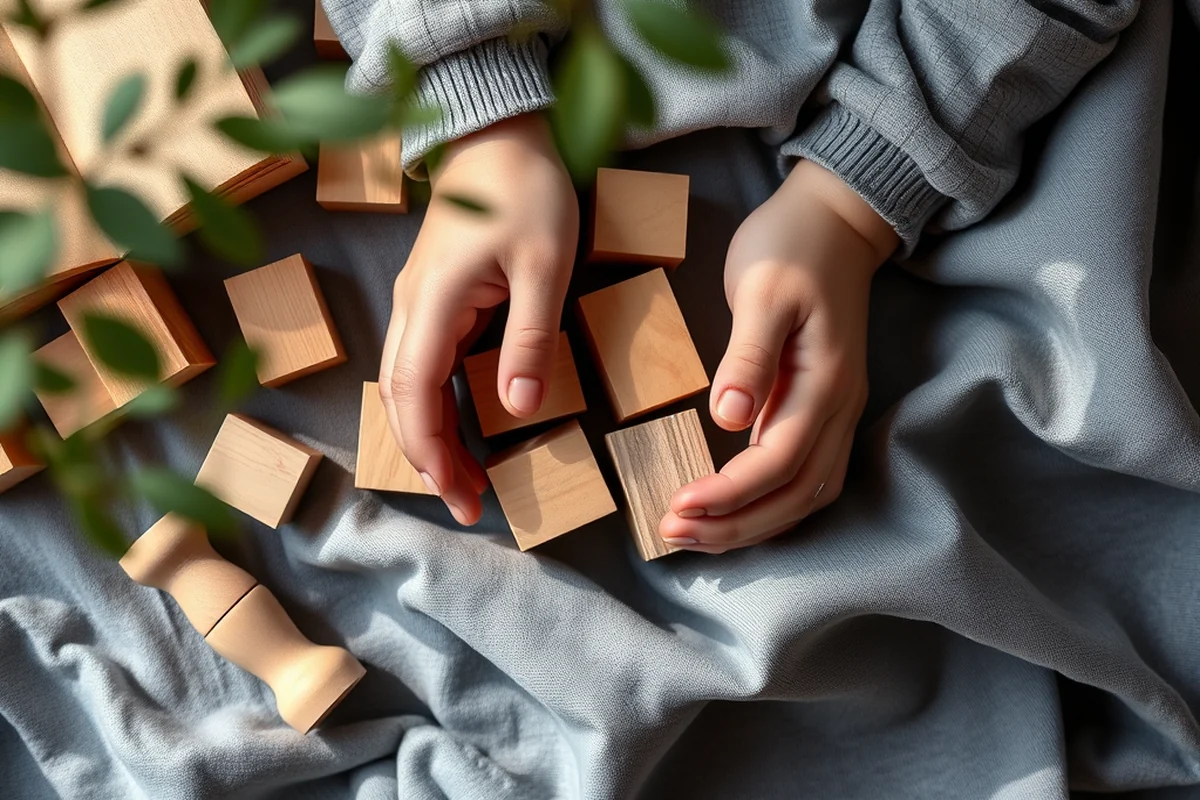
This phase is all about refining hand movements and building the strength needed for more complex tasks. My daughter, by the time she was 3 years old, could hold a crayon with a proper grip and draw simple shapes like circles and lines. It was a huge shift from the clumsy scribbles she used to make.
Children in this phase often begin to show an interest in drawing, writing, and even using a pencil. It’s important to provide them with the right tools — ones that are ergonomically designed for small hands. I found that using crayons with a larger, chunky grip made a noticeable difference in her ability to control her hand movements.
I also noticed that she started to use her dominant hand more consistently during this time, which is a sign of developing coordination. This phase can be frustrating for some children, as they’re still learning to apply the right amount of pressure and control their movements.
Refining Skills: The Final Phase of Fine Motor Development
This is the final phase of simple fine motor skills, where children begin to refine their abilities and perform more complex tasks like writing, cutting, and buttoning. My daughter, now 4 years old, can write her name legibly and use scissors to cut along a straight line — a feat that would have seemed impossible just a year ago.
During this phase, it’s important to continue providing opportunities for practice and refinement. I’ve noticed that she’s now able to use a fork and spoon independently and even tie her shoes with some help. It’s a time of great progress and increasing independence.
This phase also requires patience and support, as not all children develop at the same pace. I’ve found that keeping activities varied and engaging helps maintain her interest and motivation. It’s a rewarding time to see the fruits of your labor as a parent.
🍃 Gentle Approach
A slow, low-pressure method that lets the child explore and develop at their own pace.
⚡ Fast-Track Approach
A structured, goal-oriented method that focuses on quick skill acquisition through targeted activities.
🧳 Travel/away-from-home
Activities that are easy to do on the go and don’t require much setup or materials.
👶 Multiples
Tips for working with multiple children at different stages of fine motor development.
🔄 Regression Reset
How to help a child regain lost skills or build confidence after a setback.
| The mistake | Why it happens | The fix |
|---|---|---|
| Not providing enough variety in activities | Children need a range of experiences to develop their fine motor skills fully. A lack of variety can limit their growth. | Offer a wide range of activities, from threading beads to using scissors, to ensure comprehensive development. |
| Forcing too many activities at once | Children can become overwhelmed if too many activities are introduced at once, leading to frustration and disengagement. | Introduce new activities gradually, allowing your child time to explore and master each one before moving on. |
| Using inappropriate tools for the child's age | Tools that are too small or complex can be frustrating and may hinder development rather than support it. | Choose tools that are appropriate for your child’s developmental stage, such as large-handled scissors for toddlers. |
| Ignoring the child’s natural pace of development | Each child develops at their own pace, and rushing them can lead to frustration and a lack of confidence. | Be patient and celebrate small victories. Allow your child to explore and develop at their own pace. |
Simple Fine Motor Skills Phases
Common Questions
When should I be concerned about my child’s fine motor skills?
What are some simple activities to help develop fine motor skills at home?
How can I make fine motor skill activities more engaging for my child?
Can fine motor skills be developed through screen time?
References
Cite this guide
Grippylittle (2026). Simple Fine Motor Skills Phases. https://grippylittle.com/simple-fine-motor-skills-phases/
Feel free to cite or share this guide.