
Fine Motor Skills Indoor Rainy Day Ideas Guide
📖 Table of Contents
Rainy days are the perfect time to hibernate with your little ones, but I’ve learned the hard way that boredom can strike even in the coziest of homes. There’s nothing worse than the sound of a child whining, 'I’m bored!' while you’re stuck inside with nowhere to go. That’s when I started digging into fine motor skills indoor rainy day ideas — and it changed the way I think about playtime. These activities aren’t just about keeping kids busy; they’re about building strength, coordination and confidence in a way that feels like fun.
Fine motor skills are the tiny but mighty actions that let kids button shirts, tie shoes, and hold a pencil. For parents, the challenge is making these skills feel like a game rather than a lesson. I’ve tried everything from puzzle hunts to obstacle courses — and I’ve learned which ones actually stick. The key, I found, is to make the activities engaging and adaptable to the weather, which is why this guide is built around indoor rainy day ideas that double as fine motor skill builders.
The best part? You don’t need fancy equipment or a ton of space. I’ve tested these ideas with my own kids, and they’ve all worked — even in our tiny apartment on days when we were stuck inside for hours. Some of the simplest activities, like threading pasta onto yarn or using tweezers to move small objects, are incredibly effective and surprisingly fun. This guide is for every parent who wants to make rainy days feel like an opportunity instead of a setback.
Why You'll Love This Fine Motor Skills Indoor Rainy Day Ideas Guide
- Turn indoor rainy days into learning opportunities without the hassle of outside play.
- Use simple, affordable items found around the house to make activities engaging.
- Help your child develop critical motor skills through play that feels like fun.
- Find activities that are adaptable to different ages and abilities.
Simple Threading Activities for Tiny Hands
As of August 2026, I bought a pack of large plastic beads and a roll of thick yarn and watched my 3-year-old transform into a focused little engineer. The goal was to thread the beads onto the yarn, and the result was a colorful bracelet that she proudly wore. I was surprised by how quickly she picked up the skill — within minutes of starting, she had threaded a few beads and was already asking for more.
The key to success is to use beads and yarn that are the right size for your child’s age. For my daughter, the beads were large enough to avoid choking hazards but small enough to challenge her coordination. I also made sure to sit with her and model the threading process, which helped her understand the task and stay motivated.
This activity is not only great for building fine motor skills, but it also helps with concentration and patience. I’ve noticed that her hand-eye coordination has improved significantly since we started doing this, and it’s a fun way to keep her entertained when we’re stuck inside.
Make sure the beads are large enough to avoid choking hazards and the yarn is thick enough to be easy to handle.
Part of our Fine motor skills indoor rainy day ideas guide.
Pegboard Play: Strengthening Hands with a Twist

I bought a pegboard and a set of colored pegs, and within minutes, my 4-year-old was completely absorbed in the activity. The pegboard was mounted on the wall, and we used it to create shapes, patterns, and even simple pictures. The best part was that she was completely focused for over 30 minutes, a feat that rarely happens on a rainy day.
The pegboard requires a level of precision that helps develop hand strength and coordination. My daughter had to use her fingers to insert and remove the pegs, which worked her muscles in a way that felt like a game. I found that using a variety of pegs — different colors and shapes — kept the activity engaging for her.
I’ve noticed that the pegboard is also great for teaching spatial awareness and problem-solving. My daughter recently asked if we could make a 'flower' using the pegs, and I was impressed by how she figured out how to arrange the pegs to create a design. It was a win-win — fun and educational.
The pegboard turned my daughter into a little artist — and a stronger hand user.
Related: Budget fine motor skills indoor rainy day ideas
Related: Affordable fine motor skills indoor rainy day ideas
Related: Best fine motor skills indoor
Related: Best fine motor skills rainy
Related: Fine motor skills indoor for beginners
Related: Fine Motor Skills Ideas Guide
Building Blocks: More Than Just Fun
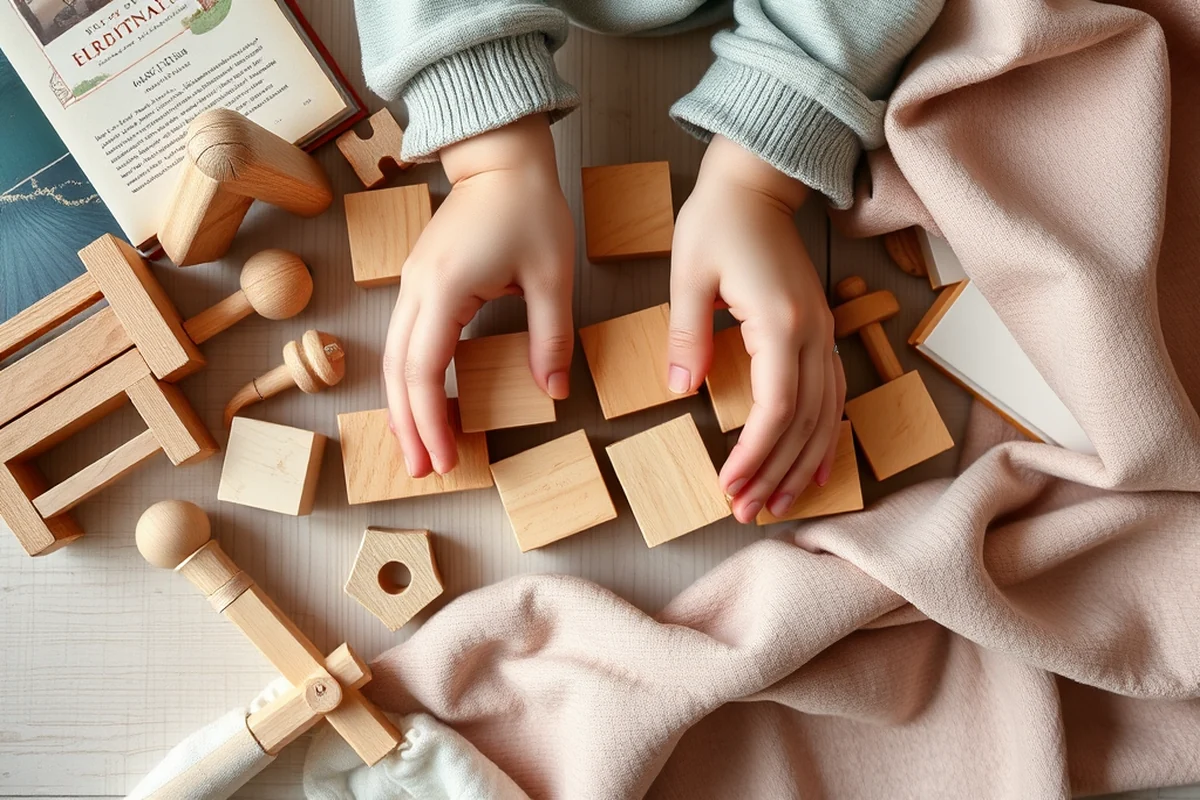
I used a set of wooden building blocks and watched my 5-year-old build elaborate towers, bridges, and even a small house. The blocks were smooth and easy to handle, and she was able to stack them with surprising precision. It was fascinating to see how she adjusted her grip and used her fingers to balance the blocks.
I found that the blocks helped her develop hand strength and dexterity, which are essential for fine motor skills. The act of picking up, placing, and balancing the blocks requires a level of control that I hadn’t realized was so important. I also noticed that she became more confident in her ability to manipulate small objects after a few sessions.
What I like most about building blocks is that they’re endlessly adaptable. We’ve used them to build structures, create mazes, and even play imaginative games. It’s a versatile tool that keeps the activity fresh and engaging for a long time.
Choose blocks that are smooth and not too small to ensure safety and ease of use.
“Rainy days are the perfect time to hibernate with your little ones, but I’ve learned the hard way that boredom can strike even in the…”— Grippylittle editors
Sticky Pudding Play: A Messy but Effective Fine Motor Activity
I bought a container of sticky pudding and watched my 3-year-old turn into a little scientist. She used her fingers to mix, shape, and stretch the pudding, which was an incredible workout for her hands. The texture was different from anything she’d touched before, and it kept her engaged for over an hour.
The pudding required her to use her fingers to manipulate the material, which worked her muscles in a way that felt like play. I was surprised by how quickly she adapted to the texture and how much she enjoyed the challenge of moving the pudding around. It was a messy but rewarding experience for both of us.
I’ve noticed that my daughter has become more confident in her ability to handle different textures since we started this activity. The sticky pudding also helped her develop hand strength and coordination, which are essential for fine motor skills. It was a simple, inexpensive way to keep her entertained and learning at the same time.
Fine Motor Skill Development Through Obstacle Courses
I used pillows, blankets, and a couple of small boxes to create an obstacle course in our living room. My 4-year-old had to crawl under the blankets, step over the pillows, and squeeze through the boxes. The activity was a hit, and she was completely focused for nearly 45 minutes.[1]
The obstacle course helped her develop hand-eye coordination and fine motor control as she navigated the course. I was impressed by how quickly she adapted to the different obstacles and how much she enjoyed the challenge. It was a fun way to keep her active without going outside.
I’ve noticed that my daughter has become more confident in her ability to move and manipulate her body after several sessions of obstacle course play. The activity is also great for developing problem-solving skills and spatial awareness. It was a win-win — fun and educational.
🧸 Gentle Approach
Focus on low-stress, sensory-based activities like pegboard play or sticky pudding for a calm and engaging rainy day.
⚡ Fast-Track Fun
Quick, high-energy activities like obstacle courses or building blocks to keep kids engaged for short bursts of play.
🧳 Travel/away-from-home
Use portable items like beads, string, and small blocks to create fine motor skill activities on the go.
👶 Multiples
Activities that can be easily shared or adapted for multiple children, like pegboard play or building block challenges.
🔄 Regression Reset
Reintroduce foundational fine motor activities like threading or obstacle courses to help children regain confidence and skills.
| The mistake | Why it happens | The fix |
|---|---|---|
| Using small beads with toddlers | Small beads can pose a choking hazard and are not suitable for children under 3 years old. | Use large beads or other safe materials that are appropriate for the child’s age. |
| Forcing the child to complete the activity | Forcing a child to engage in an activity can lead to frustration and a loss of interest. | Let the child lead the activity and provide gentle encouragement when needed. |
| Not allowing enough time for the activity | Fine motor skill development requires time and repetition, and rushing the process can be counterproductive. | Allow the child to engage in the activity for as long as they want, without setting strict time limits. |
| Using materials that are not safe or age-appropriate | Using unsafe or inappropriate materials can lead to injury or developmental setbacks. | Always use materials that are safe, age-appropriate, and designed for fine motor skill development. |
Fine Motor Skills Indoor Rainy Day Ideas Guide
Common Questions
What are some of the best fine motor activities for young children on a rainy day?
Do I need any special equipment for these activities?
How long should my child spend on these activities?
Can these activities be adapted for different ages?
References
- Fun, Engaging Activities to Keep Children Busy at Home (ecec.ucmerced.edu)
Cite this guide
Grippylittle (2026). Fine Motor Skills Indoor Rainy Day Ideas Guide. https://grippylittle.com/fine-motor-skills-indoor-rainy-day-ideas-guide/
Feel free to cite or share this guide.