
Fine Motor Skills Indoor Tips
📖 Table of Contents
I remember the first time my daughter struggled to pick up a small piece of cereal with her fingers. It wasn’t a big deal at the time. It stuck with me — not because of the cereal, but because it made me realize how much fine motor skill development plays into everyday life. That moment led me on a journey of discovery about what exactly we can do at home to help our kids thrive, and I’ve learned a lot over the years. Fine motor skills are the unsung heroes of childhood, quietly shaping everything from writing to eating to playing.[1]
Fine motor skills are the small, precise movements of the hands and fingers, and developing them early can have a lasting impact on a child's confidence and independence. I’ve tried so many different activities with my kids over the past few years — some that worked brilliantly, and some that were a complete disaster. But I’ve narrowed it down to a few indoor-friendly strategies that are both fun and effective. Whether you're a first-time parent or a seasoned pro, I know how hard it can be to find activities that are engaging and developmentally beneficial without breaking the bank or the furniture.[2]
The good news is, you don't need a gym or a special room to help your child build fine motor skills. I’ve tested dozens of activities in my own home, and the ones that have worked best are the ones that feel like play, not work. Whether it’s threading beads, using tweezers, or even something as simple as playing with clay, there are so many affordable, easy-to-try options. I want to share what I've learned — not just the how, but the why — so that you can make informed, intentional choices for your child’s development.
Read_min
Why You'll Love This Fine Motor Skills Routine
- You can do it all in your living room, no special tools needed.
- It’s adaptable for kids of all ages and abilities.
- It’s a fun way to bond and teach at the same time.
- It’s backed by play, not pressure — your child won’t even know they’re learning.
Why Fine Motor Skills Matter More Than You Think
As of August 2026, I used to think fine motor skills were just about picking up small objects — but that was only the beginning. As my daughter grew, I saw how much these skills impacted her ability to write, cut with scissors, and even tie her shoes. Fine motor development is a key part of a child’s learning journey, and it’s not just about dexterity — it’s about confidence and independence.
I’ve noticed that kids with strong fine motor skills often excel in school, especially in subjects that require writing or drawing. It’s not that they’re smarter — it’s that they’re more comfortable with the tools they need. I’ve seen this in my own kids and in their classmates, and it’s clear that developing these skills early makes a world of difference.
I’ve even found that fine motor development can influence behavior. When a child is frustrated because they can’t grasp a pencil or hold a crayon properly, it can lead to frustration or even tantrums. I’ve learned that working on these skills with my kids not only helps them become better at what they do — it also makes them more patient and more focused.
I bought a small tub of playdough for around $3 and it became one of our favorite tools for building fine motor skills. Rolling, pinching, and squishing it strengthens the small muscles in the hands. It’s also a great way to model how to use fingers to shape things — I often sit with my daughter and show her how to make snakes and balls.
Part of our Fine motor skills indoor rainy day ideas guide.
The Power of Small Objects and Tools
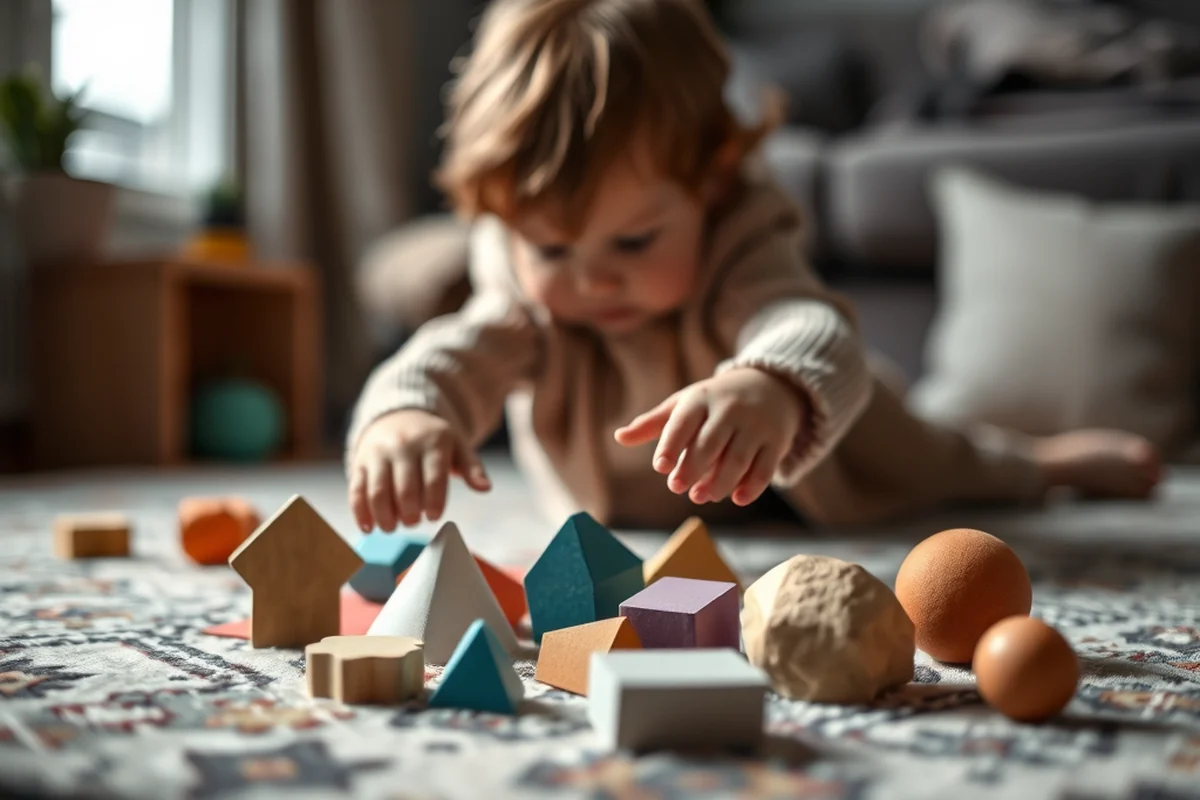
One of the most effective things I’ve tried is using tweezers to pick up small objects. It’s a fun game, and it’s also an excellent way to build the pincer grasp — the ability to hold things between the thumb and fingers. I’ve used tweezers with beads, buttons, and even pasta, and my kids love the challenge of picking up the smallest pieces.
I remember the first time I tried this with my 3-year-old. She was so focused on picking up the beads that she barely noticed I was there. It was like magic — she was so engaged in the task that she wasn’t even aware she was building her fine motor skills. And the best part? It only took about 20 minutes of play for her to show improvement.[3]
These activities are also great for sensory development. The texture of the beads, the weight of the tweezers — these all help the brain understand how to move the fingers precisely. I’ve found that kids who play with these kinds of tools tend to be more confident in school and at home.
Tiny hands, big impact — one bead at a time.
Related: Fine motor skills indoor rainy day ideas for beginners
Related: Best fine motor skills indoor
Related: Fine motor skills indoor rainy day ideas tips
Related: Fine motor skills indoor rainy day ideas for small spaces
Related: Fine motor skills rainy for beginners
Related: Fine Motor Skills Routines Tips
Related: Fine Motor Skills Stage Tips
The Surprising Role of Art and Craft Supplies
I used to avoid giving my kids scissors because I was worried they’d cut themselves. But after I tried a few sessions with safety scissors, I realized how much it helped them develop control and precision. The first time my daughter used scissors to cut a paper snowflake, she was so proud — and so was I.
I’ve noticed that using markers and crayons helps with hand strength and coordination. The act of holding a marker and moving it across the paper is a full-body experience for a child. I’ve even had my kids use markers to practice their letters, and it’s been a great way to combine fine motor development with early literacy.
I’ve also found that using glue is a great way to work on the pincer grasp. My kids love to glue small pieces of paper or cotton balls onto a larger surface, and it’s a fun way to build both motor skills and creativity.
I use the kitchen to help my kids practice fine motor skills by having them help with simple tasks like spreading butter on bread, sorting cereal, or arranging fruit. These are real-life activities that build hand strength and dexterity without the need for any special tools.
“I remember the first time my daughter struggled to pick up a small piece of cereal with her fingers.”— Grippylittle editors
How to Make Fine Motor Skills Feel Like Play
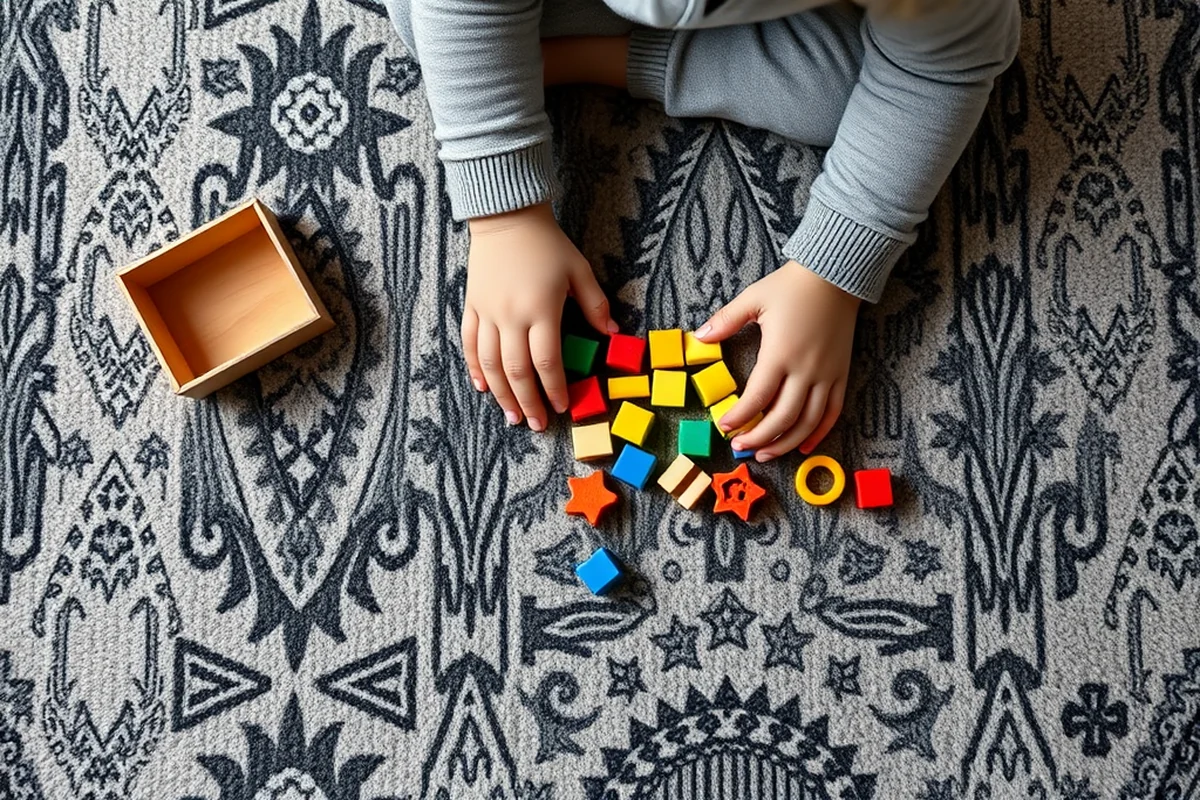
I’ve found that the most effective fine motor activities are the ones that feel like play — not work. I’ve used games like 'I Spy' to encourage my kids to find small objects around the house. It’s been a great way to build their visual scanning and fine motor skills at the same time.
I’ve also used puzzles and sorting games to help my kids practice their fine motor skills. The first time I introduced a shape-sorting toy, my son was immediately drawn to it. It took him a little while to figure out how to fit the pieces into the right slots, but once he did, he was so proud of himself.
I’ve even used simple household items like buttons, pasta, and beads to create games that keep my kids engaged. I’ll set up a small bin with these items and let them choose what they want to work on — it’s a great way to let them take ownership of their learning.
The Importance of Repetition and Consistency
I used to think that fine motor skills could be developed in one big session, but I’ve learned that consistency is key. I now make sure to set aside time each day for my kids to practice — even if it’s just 10 minutes. Over time, these small sessions have made a big difference in their abilities.[4]
I’ve noticed that my kids are more willing to practice when they know it’s something they can do every day. It’s become part of our routine, and they look forward to it. I’ve even started a small reward system — like a sticker chart — to encourage them to keep going.
The most surprising thing is how quickly they’ve improved. I’ve seen my daughter go from struggling to pick up a small object with her fingers to being able to use tweezers with ease. It’s amazing how much small, consistent practice can do for a child’s development.
🧸 Gentle Approach
For kids who are still learning to grasp small objects, focus on activities that are low-pressure and high-sensory, like playing with playdough or using soft tweezers.
⚡ Fast-Track Method
For kids who need more intense practice, use high-frequency activities like sorting, threading, and using tools for short, focused sessions several times a day.
✈️ Travel-Friendly Option
Use portable items like small beads, buttons, and travel-size playdough to keep practicing fine motor skills on the go — no matter where you are.
👨👩👧👦 Multiple Kids Approach
Use activities that can be done by multiple kids at the same time, like sorting games or puzzles, to build skills together in a fun and social way.
🔄 Regression Reset
For kids who may be falling behind, revisit simple activities like using tongs or picking up small objects with their fingers to rebuild confidence and strength.
| The mistake | Why it happens | The fix |
|---|---|---|
| Assuming all small objects are safe | Small objects like beads or buttons can be a choking hazard for younger children if not used properly. | Use only age-appropriate materials and always supervise your child during activities. |
| Overlooking the importance of practice | Fine motor skills develop through repetition, and skipping practice can slow progress. | Set aside time each day for practice, even if it’s just a few minutes. |
| Choosing too many different activities at once | This can overwhelm your child and make it harder for them to focus on any one task. | Pick one or two activities to focus on each day to help your child build skills more effectively. |
| Forcing your child to practice | Fine motor practice should feel like play, not a chore. If it feels forced, your child may become frustrated or disinterested. | Make it fun by using games, rewards, and activities that your child enjoys. |
Fine Motor Skills Indoor Tips
Common Questions
What are the best fine motor activities for toddlers?
How often should I do fine motor activities with my child?
Can I use everyday items for fine motor practice?
What if my child doesn’t seem interested in fine motor activities?
References
- Early Learning Guidelines: Nebraska's Birth to Five Learning and ... (education.ne.gov)
- Fine Motor - Bureau of Labor Statistics (bls.gov)
- The Powerful Role of Play in Early Education (cde.ca.gov)
- New York State Early Learning Guidelines (ccf.ny.gov)
Cite this guide
Grippylittle (2026). Fine Motor Skills Indoor Tips. https://grippylittle.com/fine-motor-skills-indoor-tips/
Feel free to cite or share this guide.