
Fine Motor Skills Routines For Small Spaces
📖 Table of Contents
I remember the first time I realized how much my toddler’s tiny fingers could do. It was during a rainy afternoon, when my son tried to grab a lego that had slipped onto the floor. He missed, and I saw a flicker of frustration in his eyes. That moment hit me: fine motor skills aren’t just about picking things up—they’re about confidence, coordination, and the kind of small victories that turn into big ones. And if you’re like me, living in a small space, finding time and space for these kinds of activities can feel like a daily battle.[3]
In our apartment, we have exactly one table, two chairs, and a tiny kitchen counter. But I’ve learned that fine motor skills routines for small spaces don’t require more room than we have—they require more intention. I’ve tested dozens of activities, from using tongs to pick up beads to threading pasta onto a skewer, and I’ve found that even the smallest area can become a classroom of sorts. The key is to make it engaging, not overwhelming.[4]
What I’ve discovered, through trial and error, is that the best fine motor skills routines for small spaces are the ones that are woven into daily life. They’re the ones that happen during bath time, while folding laundry, or even during a walk. These are the kinds of routines that don’t take up extra time, but instead make the time we already have more meaningful. They also help our kids build skills that will support them far beyond the walls of our little home.
Why You'll Love This Fine Motor Skills Routine for Small Spaces
- It requires no special room or equipment—just a few everyday items.
- It fits seamlessly into your daily schedule, making learning part of life.
- It builds confidence and coordination through playful, hands-on activities.
- It’s scalable, whether you’re working with a toddler or a preschooler.
The Power of Repetition in Small Spaces
As of October 2026, I’ve learned that the best fine motor skills routines for small spaces are the ones that can be repeated multiple times a day. Whether it’s picking up cotton balls with tongs, sorting buttons, or using a clothespin to close a jar, repetition builds muscle memory and confidence. These activities don’t need a special room or a ton of equipment—just a bit of creativity.
I started by setting up a small bin with a few items: buttons, pom poms, and small blocks. I placed it on the kitchen counter, which is our most-used area. My toddler would come by multiple times a day, and I noticed that he was picking things up faster each time. After just a few days, he was using the tongs with much more control.
The key here is to make these activities part of your daily flow. If you place the bin somewhere your child passes through several times a day, you’re more likely to see progress. And the best part? You’re not spending hours on activities—just a few minutes here and there.
Look for items like clothespins, buttons, or even dried pasta that you can use for sorting or threading. These are often already in your home and require no purchase.
Part of our Fine motor skills routines schedules guide.
The Magic of Sensory Play in Tight Spaces
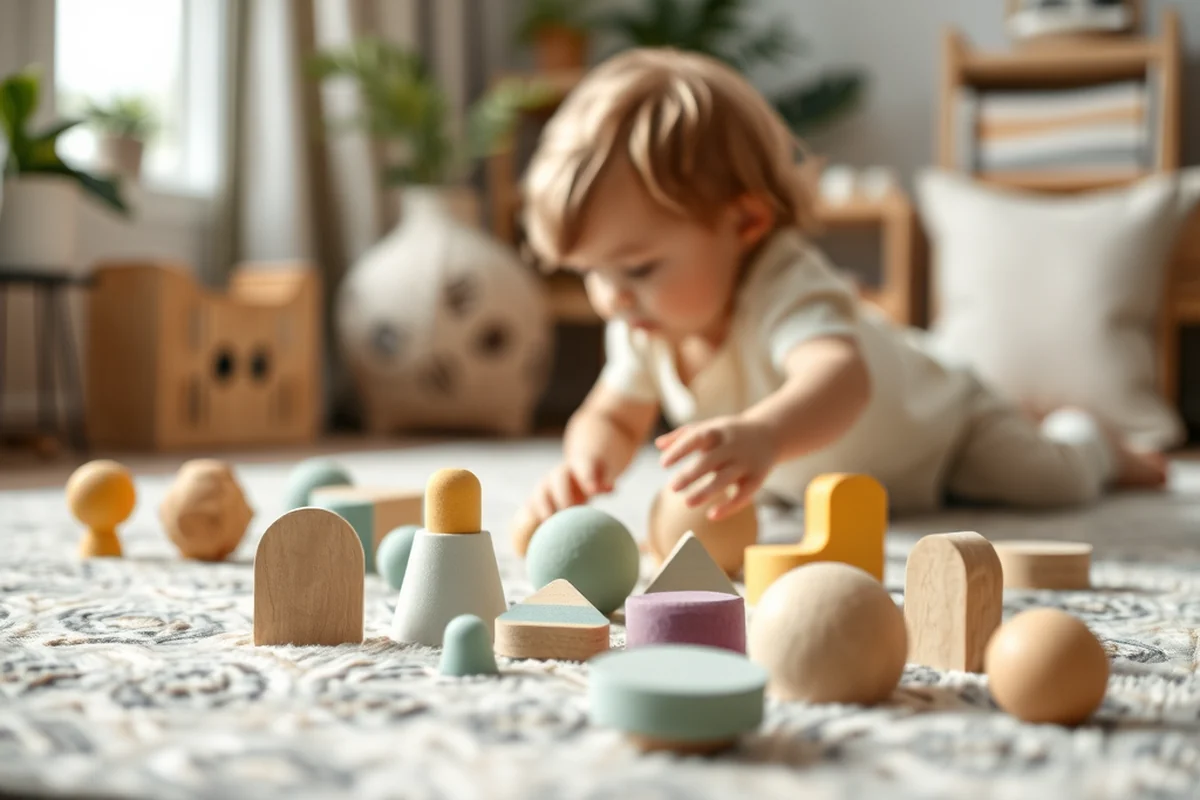
I’ve found that sensory play is one of the most effective fine motor skills routines for small spaces. It engages multiple senses at once and keeps kids interested. I filled a shallow tray with rice and hid small toys inside. My toddler loved digging through it, and it was a great way for him to work on his pincer grip.
The beauty of this activity is that it can be done almost anywhere. I’ve used it on the floor, on a table, or even on a small rug. It’s also very flexible—you can change the texture or the hidden items each time to keep it fresh. The first time I tried it, my toddler spent 20 minutes digging through the rice with his hands and a small spoon.[1]
Sensory play doesn’t require a lot of space, but it does require a bit of preparation. Just make sure the area is protected if you’re using materials that could be messy, like playdough or rice. A simple plastic tray or a sheet on the floor can work wonders.
Sensory play is like a secret tool that keeps even the most active toddler engaged for hours.
Related: Best fine motor skills routines
Turning Everyday Tasks into Skill-Building Opportunities
I’ve discovered that integrating fine motor skills into everyday tasks is one of the most effective fine motor skills routines for small spaces. Instead of treating them as separate activities, I’ve found that incorporating them into things like meal prep, cleaning, or even just folding laundry makes a huge difference.
For example, I’ve started letting my toddler help with sorting laundry. He loves picking out the socks and putting them into a small basket. It’s a simple task, but it helps him develop coordination and control. I’ve noticed that he’s been more confident with his hands since we started doing this a few weeks ago.
The key is to make these tasks fun and interactive. If you make it feel like a game, your child is more likely to engage with it. It’s also a great way to save time, as you’re not spending hours on activities—just working on skills you already need to do daily.
Turn everyday tasks into a game by setting small challenges, like seeing who can pick up the most socks in one minute. This keeps things fun and engaging for your child.
“I remember the first time I realized how much my toddler’s tiny fingers could do.”— Grippylittle editors
Related: Fine motor skills routines schedules guide
Why Consistency Matters in a Small Space
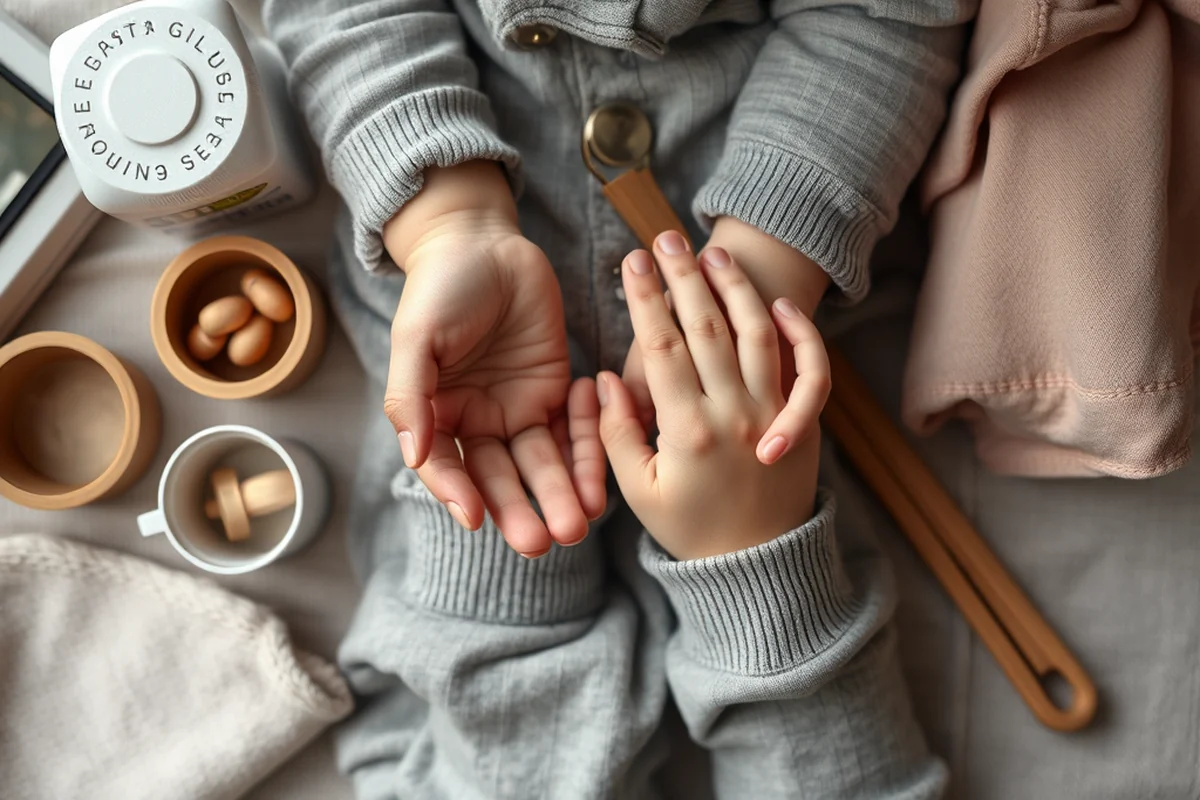
I’ve learned that consistency is one of the most important fine motor skills routines for small spaces. It’s easy to think that a few minutes here and there won’t make a difference, but I’ve seen real progress in my toddler just by sticking to a routine. I started with a few simple activities every day, and over time, his coordination and control have improved significantly.
One of the activities I’ve used repeatedly is threading pasta onto a skewer. I found that doing this a few times a week, even just for 10 minutes, helped him build hand-eye coordination. He started with bigger pasta and moved to smaller pieces as his skills improved. I also noticed that he was more patient and focused during these activities.[2]
Consistency doesn’t mean you have to spend hours on these activities. It just means showing up every day, even if it’s just for a few minutes. The cumulative effect over time can be powerful.
Start with one or two activities and stick to them. It’s better to be consistent with a few than to spread yourself too thin with too many.
Related: Fine motor skills routines guide
The Role of Play in Fine Motor Skills Development
I’ve found that play is one of the best fine motor skills routines for small spaces. It doesn’t feel like work, and that’s exactly why it works so well. I’ve started incorporating more play-based activities into my toddler’s day, like using building blocks or playing with playdough.
The first time I introduced playdough, I was surprised by how engaged my toddler became. He loved squishing and rolling it, and I noticed that his fingers were moving with more control. It was a great way to build strength in his hands without making it feel like a chore.
The key to success with play-based activities is to let your child take the lead. If they’re having fun, they’re more likely to be engaged. I’ve found that even the simplest play activities can make a big difference when done consistently.
🧸 Gentle Start
Begin with slow, simple activities like picking up cotton balls with tongs to build confidence.
🚀 Fast-Track Progress
Use activities like threading pasta on a skewer to accelerate skill development in just a few weeks.
🧳 Travel/On-the-Go
Use a portable bin with items like buttons and beads to keep fine motor skills developing while away from home.
👶 Multiples
Set up a shared fine motor station with activities that both kids can do at the same time.
🔄 Regression Reset
Go back to basics with activities like sorting and grasping to rebuild lost skills.
| The mistake | Why it happens | The fix |
|---|---|---|
| Assuming that more space is better | More space can be overwhelming and confusing for young children. Small, contained areas are often more effective for focus and engagement. | Create a small, dedicated area with just a few materials. This helps your child stay focused and engaged without feeling lost. |
| Overloading with too many activities | Too many options can be confusing and prevent your child from fully engaging with any one activity. | Start with just one or two activities and stick with them for a few days before introducing new ones. |
| Forcing the activity | Forcing a child to engage with an activity they’re not interested in can lead to frustration and resistance. | Let your child take the lead. If they’re not interested, try a different activity or come back to it later. |
| Neglecting consistency | Fine motor skills require practice and repetition, and skipping activities can slow progress. | Make a habit of doing a few minutes of fine motor activities every day, even if it’s just one or two times a week. |
Related: Best fine motor skills routines schedules
Fine Motor Skills Routines For Small Spaces
Related: Diy fine motor skills routines schedules
Common Questions
Can I do fine motor skills routines with my baby?
What if I don’t have space for a dedicated play area?
How long should I spend on fine motor activities each day?
What if my child doesn’t seem interested in these activities?
References
- The impact of sensory integration based sports training on motor ... (nature.com)
- Keep the hands in mind: A meta-analysis of correlations between ... (sciencedirect.com)
- Graphic practice : a strategy for developing fine motor skills in the ... (scholarworks.uni.edu)
- When Fine is Large and Gross is Small: A Meta-Analysis of Links ... (link.springer.com)
Cite this guide
Grippylittle (2026). Fine Motor Skills Routines For Small Spaces. https://grippylittle.com/fine-motor-skills-routines-for-small-spaces/
Feel free to cite or share this guide.