
Natural Fine Motor Skills Activities For Toddlers
📖 Table of Contents
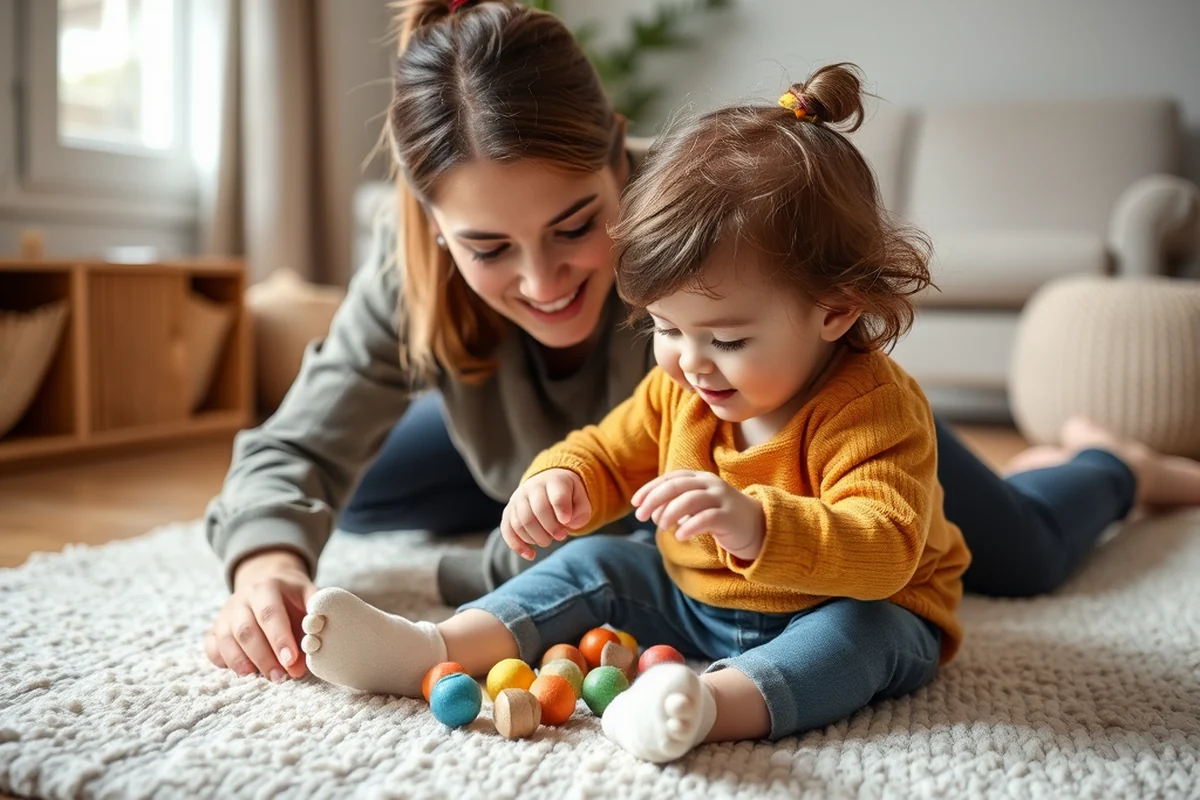
One rainy afternoon, my 2-year-old son sat cross-legged on the kitchen floor, his tiny hands smushed into a bowl of flour as he tried to shape what looked like a lopsided dinosaur. It was messy, but watching him experiment with texture and pressure was a revelation — a moment that made me realize how powerful natural fine motor skills activities for toddlers can be. These are the little, everyday actions that help build the hand strength, coordination, and dexterity that are so crucial for writing, buttoning, and even tying shoelaces later on. What struck me most was that these activities didn’t require any special tools or high-tech gadgets; they were simply things we did around the house, like playing with playdough, picking up beans, or stacking blocks.[1]
I remember the first time I tried to introduce a structured fine motor activity to my son — a commercial toy that required precise hand-eye coordination. He got frustrated and gave up quickly. It was then that I realized that the best fine motor skills activities for toddlers are the ones that feel like play, not work. I started to notice that when we played with things like socks, spoons, and even leaves, he was more engaged and less overwhelmed. These natural activities allowed him to explore freely, and over time, I saw his confidence grow in ways that I hadn’t anticipated. It’s this kind of organic learning that makes the difference between a child who struggles with tasks and one who excels at them.[2]
Natural fine motor skills activities for toddlers are not only effective, but they’re also deeply satisfying for parents because they don’t require a lot of money or preparation. I discovered this the hard way when I tried to buy a set of expensive, developmental toys — only to find that my son was more interested in the cardboard boxes we had lying around the house. It was a wake-up call: the best tools for fine motor development are often the ones that come from our everyday lives. Whether it’s threading pasta through a pipe cleaner or using tweezers to pick up cotton balls, these activities are not only fun but also deeply impactful in shaping a child’s abilities. The key is to make them feel like a game, not a task — and that’s where the real magic happens.[3]
Why You'll Love This Approach
- These activities are affordable and often use items you already have at home.
- They are engaging and fun for toddlers, which increases their participation and learning.
- They help develop essential skills like hand strength, coordination, and dexterity in a natural way.
- They’re adaptable to different ages and developmental stages.
The Power of Play: Why Natural Activities Work Best
As of August 2026, one of the most overlooked benefits of natural fine motor skills activities is that they mirror the actions children perform in daily life. When a toddler picks up a pebble with a pincer grip or stacks blocks, they’re practicing the same hand movements they’ll need later for tasks like holding a pencil or tying shoelaces. This kind of learning is deeply embedded because it’s intuitive and meaningful to the child. The best part? These activities don’t require any special equipment — just a few common household items and a little imagination.[4]
I’ve noticed that my son is more engaged when the activities feel like part of his world. For example, when we played with measuring cups and spilled water on the floor, he didn’t see it as a mess — he saw it as a chance to clean up and build a tower. Reinforced the concept of cause and effect. This kind of experiential learning is powerful because it connects the child to the world around them in a way that structured toys often can’t. It’s the difference between learning by doing and learning by being told.[5]
Another benefit of natural activities is that they’re adaptable. For instance, if a child is struggling with fine motor control, I can adjust the task by using larger objects like blocks or socks. If they’re more advanced, I can introduce smaller items like beads or pasta. This flexibility is crucial because it means the activities can grow with the child and support their development at every stage.
When you're stuck on what to do, look around the house — socks, pasta, beads, and even leaves can be great fine motor tools.
Part of our Fine motor skills guide.
The Role of Texture in Fine Motor Development
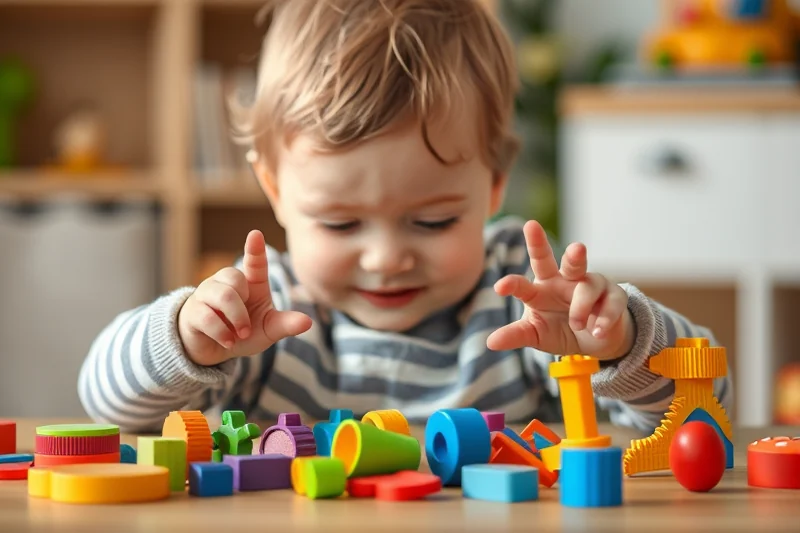
The sensory experience of touching and manipulating different textures helps a child’s brain process information more effectively. For example, playing with sand, water, or dough engages the tactile receptors in the hands, which are essential for developing dexterity and coordination. I’ve seen my son become more focused and patient when he’s playing with things like wet sand or playdough, which are both messy and rich in sensory feedback.
One of the best natural fine motor skills activities for toddlers is playing with rice or beans in a container. My son loved using a small spoon to scoop and pour the rice, and it helped him develop his pincer grip. The grainy texture of the rice provided a different kind of resistance compared to the smoothness of a plastic toy, which made the activity more engaging and more challenging in a good way. This kind of tactile experience is often missing in overly sanitized environments, but it’s essential for development.
Another simple but powerful activity is playing with leaves or pinecones in the fall. Not only does this give toddlers a chance to explore different shapes and textures. It also encourages them to use a variety of grips — like the whole-hand grip for picking up larger items and the pincer grip for smaller ones. It’s amazing how much a child can learn when they’re engaged in an activity that feels like an adventure, not a lesson.
Texture is the unsung hero of fine motor development.
Related: Best fine motor activity
Related: Easy fine motor skills activities
Related: Different fine motor skills
Related: Modern fine motor skills activities for toddlers
Related: Easy crafts for fine motor skills
Related: Fine Motor Skills And Activities
Related: Easy Fine Motor Skills Activities For Toddlers
Related: Beginner Fine Motor Skills Activities
Related: Fine Motor Skills Activities For Toddlers Explained
Why Rhythm and Repetition Matter
Just like learning to walk or talk, fine motor skills develop through repetition. The more a child practices picking things up, stacking blocks, or using a spoon, the stronger and more precise their hand movements become. I’ve found that when my son plays with the same set of blocks for an hour, he’s not just playing — he’s building muscle memory and hand strength. This kind of repetition is key because it helps the brain form the neural connections needed for complex tasks later on.
Rhythm also plays a role in how a child learns. When a toddler is engaged in a repetitive activity like threading beads on a string, their brain starts to associate that action with a certain rhythm, which can make the task feel less overwhelming. I often play a lullaby or a soft song while we work on an activity, and it helps my son focus longer and feel more relaxed. It’s a subtle but powerful way to support his development without making it feel like a chore.
Another benefit of rhythm is that it encourages a child to move with intention. When we play a game like ‘stack the cups as high as you can’ and count each one as we go, it creates a natural rhythm that helps the child stay focused and motivated. The more rhythm we introduce into our activities, the more they become part of the child’s learning process.
Introduce a song or a counting game to create a natural rhythm that makes the activity more engaging for your toddler.
“One rainy afternoon, my 2-year-old son sat cross-legged on the kitchen floor, his tiny hands smushed into a bowl of flour as he tried to…”— Grippylittle editors
How to Support Fine Motor Skills Through Everyday Routines
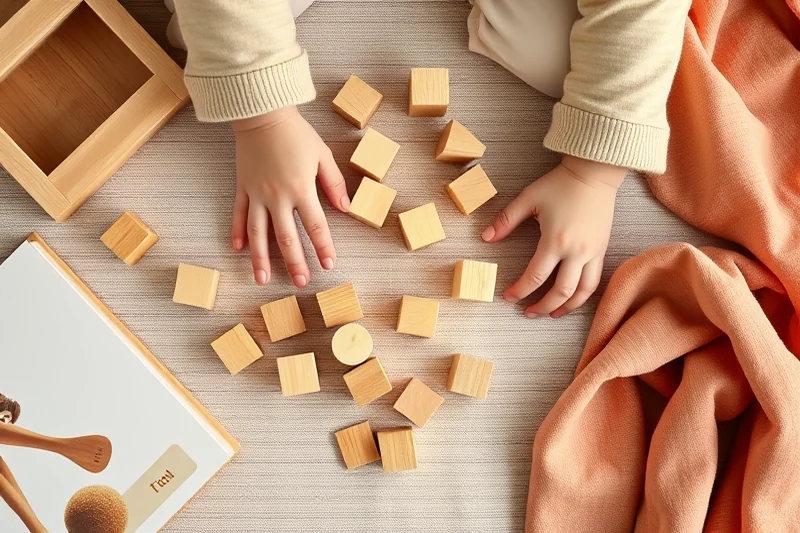
One of the easiest ways to support natural fine motor skills activities for toddlers is to involve them in everyday tasks. Whether it’s washing the dishes, folding laundry, or helping to set the table, these activities provide opportunities for hand use and coordination. I started letting my son help with simple tasks like wiping the counter with a cloth or sorting socks, and over time, I saw a noticeable improvement in his hand strength and dexterity.
Cooking with toddlers is another excellent way to support fine motor development. My son loves helping to measure ingredients, stir batter, or use tongs to pick up pasta. These activities not only teach him basic life skills but also help him develop the hand strength and coordination needed for more complex tasks later on. The best part is that these activities are also educational — he’s learning about measurements, colors, and even fractions without even realizing it.
Mealtime is another routine where fine motor skills can be supported. Using a small fork or spoon to eat is a great way to develop the pincer grip. Even simple tasks like opening a jar or cutting soft foods with a safe knife can be beneficial. I’ve noticed that my son has become more confident in using utensils since we started involving him in meal preparation, and it’s been a win-win for both of us.
Let your toddler help with simple tasks like measuring, stirring, or even wiping the counter — it's a great way to build hand strength and coordination.
The Importance of Encouragement and Positive Reinforcement
When a toddler is learning new skills, encouragement and positive reinforcement can make all the difference. I’ve found that when I praise my son for using a pincer grip or for stacking blocks, he becomes more confident and eager to try again. This kind of support is crucial because it helps the child see their efforts as valuable and worth continuing.
Simple words of encouragement like ‘You did it!’ or ‘That was a great job!’ go a long way in building a child’s self-esteem. I’ve also noticed that when I make a game out of an activity — like a race to see who can stack the most blocks — my son becomes more engaged and motivated. This kind of playful encouragement not only helps him develop his skills but also makes the learning process more enjoyable.
Positive reinforcement can also be non-verbal. A high-five, a smile, or even a gentle clap on the back can be powerful ways to show a child that their efforts are appreciated. I’ve found that when I give my son a high-five after he successfully uses a tweezers to pick up a cotton ball, he gets a big grin and is more eager to try again. This kind of positive interaction helps him build confidence and makes the activity feel like a fun game rather than a task.
⭐ Classic
The basic version of this recipe, perfect for everyday sensory play.
💰 Budget
A simple and inexpensive version that uses common household ingredients.
⚡ Extra-Fast
A quick and easy version that can be made in under 15 minutes.
✨ Depth
An advanced version with added texture, such as food coloring or glitter.
🌿 Natural
A version made with natural ingredients, such as oats or cornstarch.
| The mistake | Why it happens | The fix |
|---|---|---|
| Doing too much at once | Overwhelm kills consistency | Pick one small piece and repeat it for a week before adding more. |
| Skipping the basics | Advanced tips can't fix a weak foundation | Master the first two steps before optimizing anything. |
What You'll Need tap to check off
- 1 lb Flour
- ½ cup Salt
- Water to taste
Method tap a step when done
- In a large mixing bowl, combine the flour and salt.
- Gradually add water, a little at a time, stirring until the mixture forms a dough.
- Knead the dough on a floured surface for about 5 minutes until it becomes smooth and elastic.
- If the dough is too dry, add more water. If it’s too sticky, add a bit more flour.
- Divide the dough into small portions and shape into balls.
- Place the dough in an airtight container and store in the refrigerator for up to a week.
Key Facts
Natural Fine Motor Skills Activities For Toddlers
References
- Infant and Toddler Activity Pages: Roll the Ball (canr.msu.edu)
- Positive Parenting Tips: Toddlers (2-3 years old) (cdc.gov)
- Foundation: Fine Motor - Child Development (CA Dept of Education) (cde.ca.gov)
- PDF 2 Physical Development Physical Development - decal.ga.gov (decal.ga.gov)
- PDF Activity Cards for Infants & Toddlers (extension.arizona.edu)
Cite this guide
Grippylittle (2026). Natural Fine Motor Skills Activities For Toddlers. https://grippylittle.com/natural-fine-motor-skills-activities-for-toddlers/
Feel free to cite or share this guide.