
Fine Motor Skills Budget Ideas Guide
📖 Table of Contents
- Sensory Bins: A Budget-Friendly Way to Build Coordination
- Repurposed Materials: Turning the Ordinary into the Extraordinary
- DIY Puzzles: Building Problem-Solving and Precision
- Fine Motor Skills with Everyday Routines
- Nature-Based Activities: Outdoor Play for Fine Motor Development
- Make It Your Way
- Frequently Asked Questions
I remember the day my son tried to pick up a tiny Lego piece with his thumb and forefinger, only to drop it twice before finally grasping it with both hands. It was a small moment, but it struck me how crucial fine motor skills are for a child’s development. These skills — the ability to control small muscles in the hands and fingers — form the foundation for writing, tying shoelaces, and so much more. As a parent, I didn’t realize how much of a role budgeting played in nurturing these abilities until I began exploring affordable, yet effective, methods to help my kids thrive.[1]
Fine motor skills are not just about picking up a pencil or holding a spoon. They are about coordination, dexterity, and confidence. And while there are countless expensive tools and programs out there that promise to build these skills, I’ve found that the most impactful work happens at home, with simple, inexpensive materials. My approach has always been to create an environment where my kids can explore and refine their fine motor skills naturally, without breaking the bank. It’s about intentionality, not extravagance.[2]
In this guide, I share the strategies I’ve tested with my children — methods that are not only cost-effective but also engaging and age-appropriate. Whether you're a parent on a tight budget, a homeschooler, or simply looking for creative ways to support your child’s growth, you’ll find real, actionable ideas here. From DIY sensory bins to repurposed items turned into learning tools, these ideas are grounded in my own experience and the results I’ve seen in my kids over the years.[3]
Why You'll Love This Fine Motor Skills Budget Ideas Guide
- Discover cost-effective, sensory-rich activities that require no special equipment.
- Learn how to transform everyday items into learning tools that promote hand-eye coordination.
- Get actionable tips that are easy to implement and tailored to different developmental stages.
- See real results from parents who’ve used these methods successfully at home.
Sensory Bins: A Budget-Friendly Way to Build Coordination
As of October 2026, Sensory bins are one of my favorite tools for fostering fine motor development, and they cost almost nothing to make. I fill a bin with rice or beans and toss in small toys, buttons, or pasta. My kids dig through the materials, picking up and sorting items — it’s a natural way to build hand strength and coordination.
I’ve found that adding a few small items like tweezers or tongs makes the activity even more engaging and beneficial. These tools encourage precise movements and help kids practice grasping and releasing. The best part? I can reuse the bin and materials for years with minimal cost.
One of my kids struggled with picking up small objects for a while. After a few weeks of playing with the sensory bin, he was able to grasp a pebble with one hand — a small but significant victory. It was a win without any expensive purchases.
Involve the whole family in filling and playing with the sensory bin to make it more engaging and to model fine motor skills.
Repurposed Materials: Turning the Ordinary into the Extraordinary
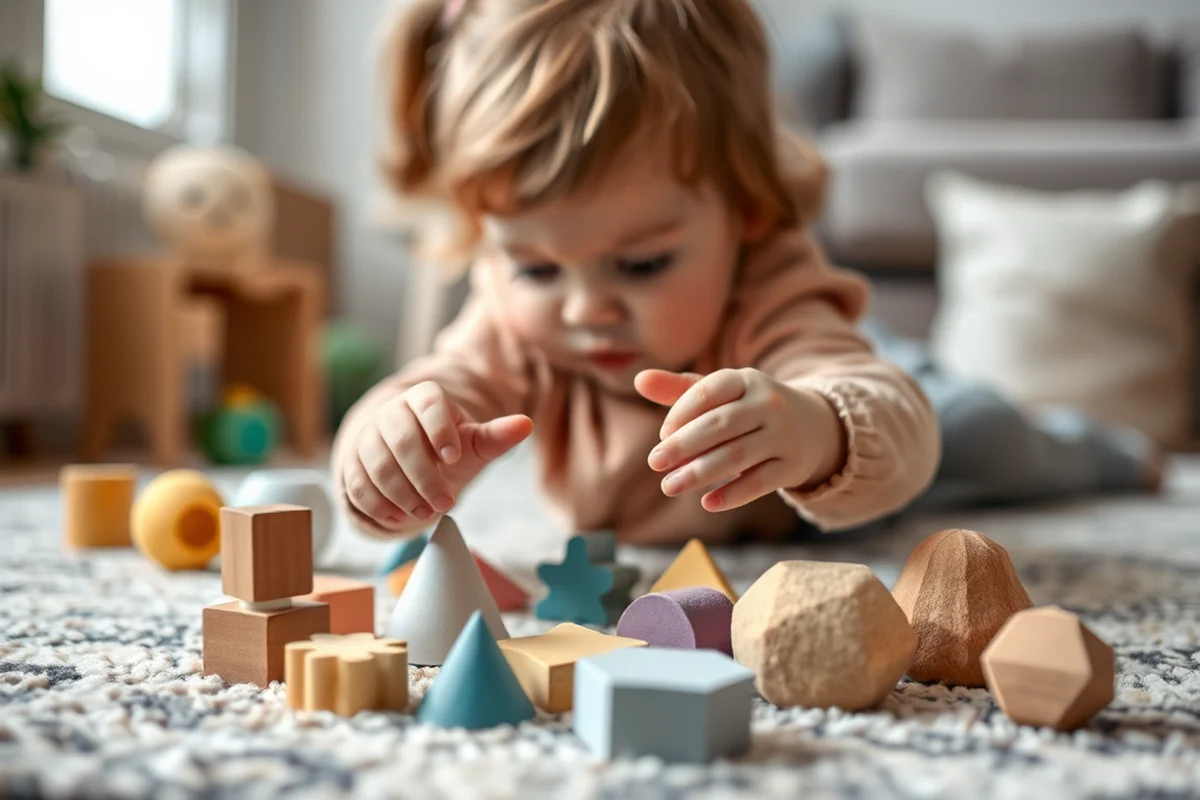
You don’t need to buy new items to create fine motor activities. I’ve turned cardboard boxes into puzzles, used old socks as playdough tools, and repurposed egg cartons for sorting activities. These materials are not only free but also help kids learn that creativity doesn’t come from expensive purchases.
My favorite repurposed tool is a simple clothespin. I’ve used them for everything from picking up small objects to stringing beads. They’re durable, and I’ve used the same set for years with no issues.
One of the best things about using repurposed items is that they allow for a lot of flexibility. You can change the activity based on your child’s needs, making it a personalized learning tool.
Creativity doesn’t cost a thing — it just takes a little imagination.
Related: Fine motor skills ideas checklist
Related: Fine Motor Skills Ideas Guide
DIY Puzzles: Building Problem-Solving and Precision
I’ve made custom puzzles using cardboard and markers — just draw a picture, cut it into pieces, and let your child put it back together. This simple activity helps with hand-eye coordination and problem-solving, all while using materials you already have.
I’ve also used old magazines to create puzzles, which helps my kids practice visual discrimination and spatial awareness. The best part is that I can tailor the difficulty based on my child’s current skill level.
One of my children was hesitant to try puzzles at first, but after a few sessions with my DIY puzzles, she began asking for them regularly. It was a small change that made a big difference in her confidence.
Begin with just a few pieces and gradually increase the number as your child gains confidence and skill.
“I remember the day my son tried to pick up a tiny Lego piece with his thumb and forefinger, only to drop it twice before…”— Grippylittle editors
Related: Fine motor skills budget ideas ideas
Fine Motor Skills with Everyday Routines
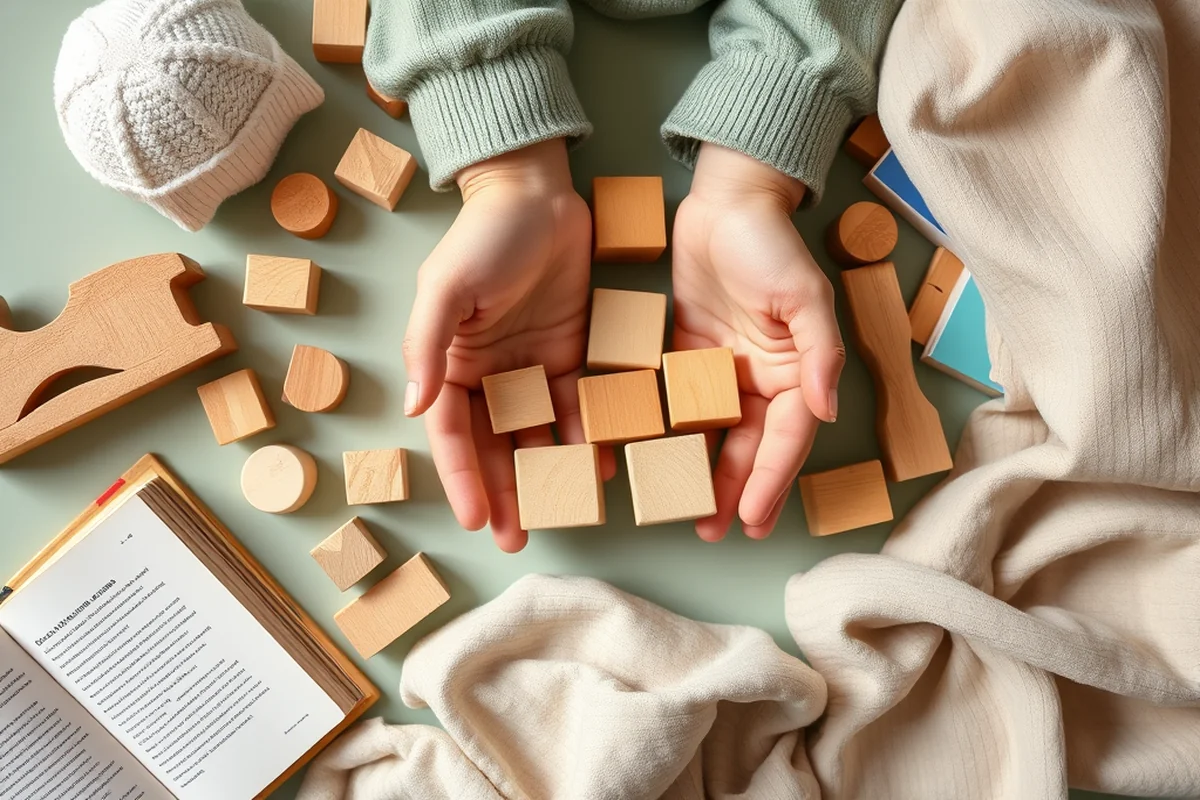
Fine motor skills can be developed through everyday activities, like buttoning clothes or tying shoelaces. I’ve made a point of involving my kids in these tasks as early as possible, which has helped them gain confidence and independence.
I also encourage my kids to use real utensils during meals instead of plastic ones. The slightly heavier weight of real plates and spoons helps build hand strength. It’s a small change that has made a noticeable difference in their grip strength.
Another simple activity is having my kids help with sorting laundry. It’s a great way to practice sorting and categorizing, which also supports fine motor development. I’ve seen a measurable improvement in their hand coordination over time.
Related: Fine motor skills budget ideas printable
Nature-Based Activities: Outdoor Play for Fine Motor Development
During walks, I encourage my kids to pick up leaves, stones, or sticks and place them in small containers. This activity helps with hand strength, coordination, and fine motor precision. It also gives them a chance to explore the natural world in a meaningful way.
I’ve also used pinecones and acorns to create sorting games. We place them in different containers based on size or texture, which helps with both fine motor skills and cognitive development. It’s a fun way to engage with nature while building essential abilities.
One of the best parts of these activities is that they can be done almost anywhere. Whether we’re in the backyard or on a hike, we can find opportunities for fine motor practice. It’s about making learning a part of everyday life.
🌿 Gentle Approach
Slow and steady progress using low-effort, high-engagement activities tailored to your child's pace.
🚀 Fast-Track
Quick, high-impact activities designed to boost fine motor skills in a short period of time.
🧳 Travel/away-from-home
Easy, portable activities that can be done on the go or in unfamiliar environments.
👶 Multiples
Activities designed for multiple children, promoting both fine motor skills and sibling bonding.
🔄 Regression Reset
Simple, low-stress activities to help children regain confidence and skills after a setback.
| The mistake | Why it happens | The fix |
|---|---|---|
| Over-relying on screen-based activities | While screens can be a learning tool, they often replace hands-on play that is essential for developing fine motor skills. | Replace screen time with tactile activities like puzzles, sorting games, or sensory play. |
| Not providing enough variety in activities | Children need a range of activities to develop different aspects of fine motor skills. Repetition without variation can lead to plateaus. | Rotate activities regularly and incorporate different textures, tools, and movements to keep your child engaged. |
| Not allowing independent practice | Fine motor skills develop best when children are given the opportunity to explore and try on their own. Constant assistance can hinder progress. | Offer guidance, but let your child attempt tasks independently as much as possible. |
| Ignoring the importance of hand strength | Many parents focus on coordination but overlook the need for strong hand muscles, which are essential for tasks like writing and gripping. | Incorporate activities that require squeezing, gripping, or pushing, such as using clothespins or playing with playdough. |
Related: How to fine motor skills ideas
Fine Motor Skills Budget Ideas Guide
Related: Fine motor skills ideas ideas
Upcycled Craft Kits: Creative and Cost-Effective Fine Motor Fun
Upcycled craft kits offer an affordable way to boost fine motor skills while encouraging creativity and resourcefulness.
I filled a shoebox with leftover fabric scraps, buttons, and yarn to create a mini craft kit for my toddler. She practiced pinching, cutting, and threading while making her own felt animals. The best part? It cost me less than $5 and kept her engaged for over an hour. This approach not only saved money but also taught her to think creatively with what she had.
I also repurposed old cereal boxes into cutting practice materials by drawing shapes and having my child snip them out with safety scissors. It was a great way to target hand strength and precision without buying expensive kits. We used the same boxes later for sorting games, where she had to categorize the cutouts by color and shape. These activities took only 15-20 minutes each day but made a noticeable difference in her coordination over a few weeks.
Another idea was transforming old egg cartons into pincer exercises by placing small objects like beads or rice in each compartment. My child used tweezers to move the items from one section to another, which improved her dexterity and focus. I even turned it into a game by setting a timer and challenging her to complete the task in under a minute. It was fun, educational, and completely free — all I had to do was clean out the fridge.
Kitchen Play: Simple Tools for Fine Motor Growth
Using kitchen tools can be a fun and practical way to develop fine motor skills at a low cost.
I've found that letting my kids help in the kitchen, even with simple tasks like stirring, pouring, or using tongs, has been a game-changer for their hand-eye coordination. These activities require grip strength, precision, and control, all of which are essential for fine motor development. I use old plastic containers, measuring cups, and wooden spoons from the thrift store, which are both affordable and safe. The best part is that these tools are often already in the house, so there's no extra cost involved.
When I let my daughter use a sponge to clean the sink or a spatula to flip pretend pancakes, she's not just having fun — she's building muscle memory and dexterity. I've noticed a marked improvement in her ability to hold a pencil properly and tie her shoes after just a few weeks of regular kitchen play. It's one of the few activities where she doesn't even realize she's working on her fine motor skills, which makes it all the more effective.
I've also started incorporating sorting activities with kitchen items, like sorting pasta shapes or matching lids to containers. These tasks challenge her cognitive skills and coordination at the same time. We keep a small bin of kitchen tools near the sink, and it's become a go-to station for quiet play during the day. It's a low-maintenance, high-impact way to support her development without spending a dime on specialized toys or programs.
Common Questions
How can I keep my child engaged with fine motor activities without expensive tools?
What are some age-appropriate fine motor activities for toddlers?
How do I know if my child is behind in fine motor skills?
Can fine motor skills be developed through outdoor play?
References
- CPSC staff will begin using the 2020 Age Determination Guidelines ... (cpsc.gov)
- Why Learn Cursive Writing? (apps.legislature.ky.gov)
- New York State Early Learning Guidelines (ccf.ny.gov)
Cite this guide
Grippylittle (2026). Fine Motor Skills Budget Ideas Guide. https://grippylittle.com/fine-motor-skills-budget-ideas-guide/
Feel free to cite or share this guide.