
Quick Fine Motor Skills Activities For Toddlers

📖 Table of Contents
- The Power of Playdough in Fine Motor Development
- The Magic of Threading Activities
- Stacking Blocks — A Simple Way to Build Fine Motor Skills
- Puzzles — A Brain-Boosting Fine Motor Activity
- Sensory Bins — A Fun and Engaging Way to Develop Fine Motor Skills
- Make It Your Way
- Frequently Asked Questions
- The Printable Activity Plan
I remember when my daughter was two and struggling to grasp a crayon, her fingers curling awkwardly as she tried to draw her first wobbly line. It wasn’t just a small issue — it was a window into the world of fine motor development, and how crucial it is for a child's growth. I started researching quick fine motor skills activities for toddlers, and found that even the simplest games can make a huge difference. These activities don’t require hours of dedicated time, but they pack a punch with building dexterity, coordination, and confidence.[1]
Fine motor skills are the tiny movements that control the small muscles in the hands and fingers, and they play a pivotal role in everything from writing and buttoning clothes to using utensils. As a parent, I quickly learned that developing these skills is not just about the end goal — it's about the process. Quick fine motor skills activities for toddlers are the perfect way to weave practice into daily life, without the stress of structured lessons or expensive materials.[2]
I’ve tested dozens of ideas with my own kids and a few friends, and I can tell you from experience that the most effective ones are the ones that feel like play. Whether it’s squeezing playdough, threading beads, or stacking blocks, the key is to make it fun. I’ve even found that some of the best activities can be done in under five minutes — and I mean, five minutes. These are the kind of moments that add up, and that’s where the magic happens.[3]
Why You'll Love This Collection of Quick Fine Motor Skills Activities for Toddlers
- These activities are easy to set up and don’t require expensive materials.
- They fit seamlessly into a busy toddler’s day, making development feel like play.
- They help build hand-eye coordination, grip strength, and dexterity in a fun way.
- They’re adaptable for different ages and abilities, making them inclusive for all children.
The Power of Playdough in Fine Motor Development
As of August 2026, I once bought a pack of playdough and watched my daughter transform it into a ball, a snake, and even a mini mountain. While she was having fun, I noticed how her fingers were working hard — pinching, rolling, and squeezing. Playdough is an excellent option for quick fine motor skills activities for toddlers because it's easy to make, requires no cleanup, and can be used in a variety of ways.[4]
I’ve found that playdough helps toddlers develop pincer grip — that’s when the thumb and index finger work together to pick up small objects. This is a foundational skill for things like holding a pencil or using scissors. The best part is that you can add sensory elements, like food coloring or small objects, to make it even more engaging.[5]
To make it even more effective, I suggest using a small amount of playdough at a time. This keeps the activity focused and prevents overwhelm. I’ve also seen how playdough helps build confidence — my daughter would often ask for more once she finished one shape, which was a big win for her independence.
Mix in a few drops of essential oils like lavender or peppermint for a sensory boost. This not only makes playdough more engaging, but also helps with calming and focus.
Part of our Fine motor skills guide.
The Magic of Threading Activities
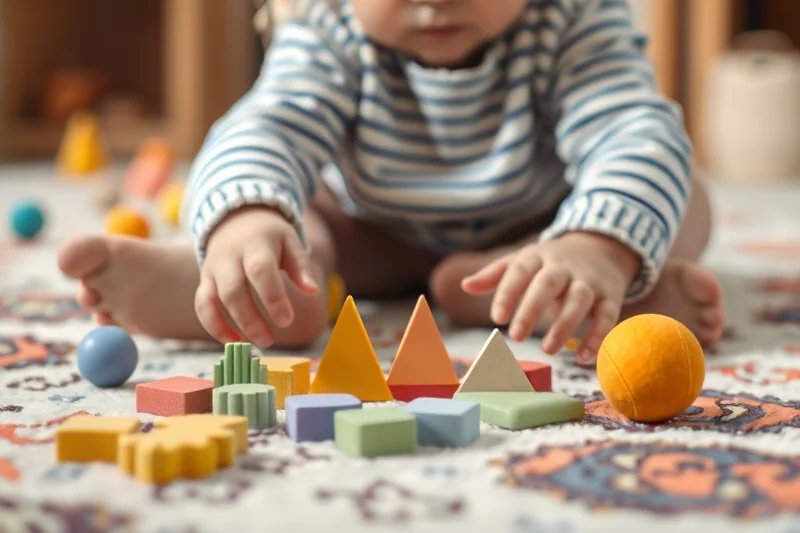
One of my favorite quick fine motor skills activities for toddlers is threading beads onto a string. I used to buy wooden beads and lacing cards, but I’ve found that even simple beads and a shoelace can make a big difference. It’s a great way for toddlers to practice precision and coordination.
I remember the first time my daughter threaded a bead — she was so proud, and it was a small but significant milestone. I’ve noticed that threading helps with grip strength, eye-hand coordination, and even patience. It's a low-cost activity that can be done almost anywhere, from the kitchen table to the park bench.
The best part? It's customizable. I can choose beads that are easier to handle or more challenging, depending on my daughter’s ability. I’ve also found that using different colors and shapes keeps the activity fresh and interesting for her.
“Threading beads isn’t just about the beads — it’s about the patience and focus they build.”
Related: Budget fine motor skill activities
Related: Easy crafts for fine motor skills
Related: Fine motor skills tips for families
Related: Fine motor activity explained
Related: Best fine motor skills
Related: Quick Crafts For Fine Motor Skills
Related: Easy Fine Motor Skills Activities For Toddlers
Stacking Blocks — A Simple Way to Build Fine Motor Skills
Stacking blocks is one of the easiest and most accessible activities for quick fine motor skills development. I’ve used both wooden and foam blocks with my daughter, and I’ve found that the smaller the blocks, the more precise the movements need to be. This helps with dexterity and hand-eye coordination.
I’ve watched my daughter go from stacking just two blocks in a row to building entire towers. It’s amazing to see how her confidence grows with each level she completes. I’ve also noticed that stacking blocks helps with problem-solving skills — she learns to balance and adjust as she goes.
I suggest starting with a small number of blocks and gradually increasing the challenge. I’ve also found that using blocks of different colors or shapes makes the activity more engaging. It's a simple yet powerful way to build fine motor skills in a fun, interactive way.
Mix in some sensory blocks, like ones with textures or colors that change in the light, to add an extra layer of engagement and challenge.
“I remember when my daughter was two and struggling to grasp a crayon, her fingers curling awkwardly as she tried to draw her first wobbly…”— Grippylittle editors
Puzzles — A Brain-Boosting Fine Motor Activity
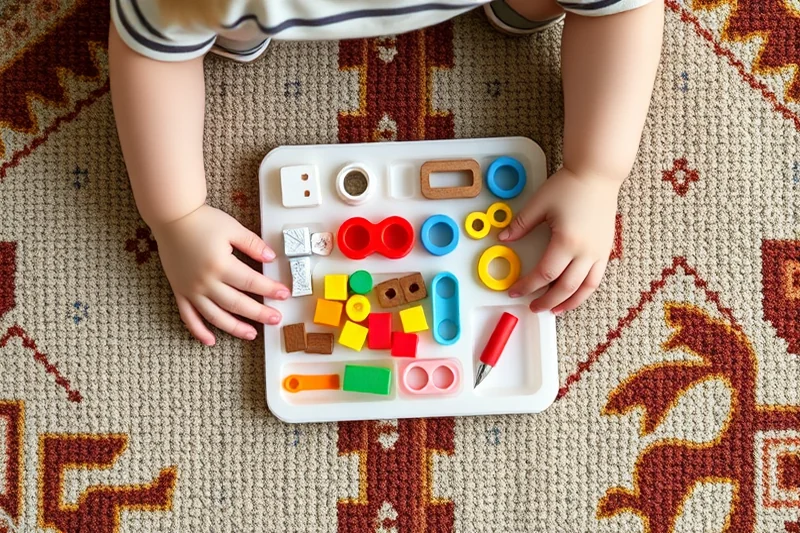
Puzzles are one of the best quick fine motor skills activities for toddlers. I’ve used both wooden and foam puzzles with my daughter, and I’ve found that they are great for improving hand-eye coordination and problem-solving skills. The challenge of fitting the pieces together helps build precision and patience.
I remember the first time my daughter completed a simple 4-piece puzzle — she was thrilled, and it was a huge confidence booster. I’ve noticed that puzzles also help with spatial awareness and visual discrimination. It’s amazing how much she's learned through just a few minutes of focused play.
The best part is that puzzles come in all shapes and sizes — from simple ones with large pieces to more complex ones with smaller details. I’ve also found that using puzzles with pictures or themes that interest my daughter makes the activity even more engaging.
Sensory Bins — A Fun and Engaging Way to Develop Fine Motor Skills
Sensory bins are one of my favorite quick fine motor skills activities for toddlers. They’re not only fun, but they also help develop hand strength, coordination, and sensory processing. I’ve used a variety of materials, from rice and beans to water beads and sand, and I’ve found that each has a different effect on engagement and skill development.
I remember the first time I filled a bin with water beads and let my daughter explore — she was so fascinated by the texture and the way they squished in her hands. Sensory bins help with motor skills by requiring the child to scoop, grasp, and manipulate objects, all while having fun.
I suggest starting with a few different materials and gradually introducing more. I’ve also found that using small toys or objects to hide in the bin adds an extra layer of challenge and engagement. It's a simple, yet powerful way to support fine motor development in a playful setting.
⭐ Classic
The original recipe with no special ingredients or modifications.
💰 Budget
A version that uses everyday ingredients, perfect for cost-conscious parents.
⚡ Extra-Fast
A simplified version that can be made in under 10 minutes.
✨ Depth
A more complex version with added texture or sensory elements for deeper engagement.
🥗 Light
A low-fat, low-sodium variation for toddlers with dietary restrictions.
| The mistake | Why it happens | The fix |
|---|---|---|
| Making the playdough too dry or too wet. | This can make the dough difficult to work with and less enjoyable for toddlers. | Adjust the water or flour gradually until the dough is smooth and pliable. |
| Using beads that are too small for toddlers. | Small beads can be a choking hazard and may not be developmentally appropriate for younger children. | Choose larger beads or use alternative materials like foam shapes or wooden pieces. |
| Skipping the warm-up or preparation for the activity. | This can lead to frustration and resistance from your toddler, especially if the materials aren’t ready or the environment isn’t set up properly. | |
| Introducing too many new materials or activities at once. | This can overwhelm your toddler and reduce their interest in the activity. | Introduce one new material or activity at a time, and allow your toddler to explore it fully before moving on. |
What You'll Need tap to check off
- 1 lb Flour
- ½ cup Salt
- 1 cup Water
- ½ cup Vegetable oil
- 1 teaspoon Baking soda
- Food coloring (optional)
Method tap a step when done
- In a large bowl, combine flour, salt, baking soda, and vegetable oil.
- Gradually add water, mixing until the dough is smooth and pliable.
- Knead the dough for 5-10 minutes until it is soft and elastic.
- If desired, divide the dough into portions and add food coloring to each portion, kneading until the color is evenly distributed.
- Store the playdough in an airtight container to keep it fresh for up to a week.
- Once ready to use, let the dough sit for a few minutes to soften before playing.
Key Facts
Quick Fine Motor Skills Activities For Toddlers
Common Questions
How can I make these activities more engaging for my toddler?
What if my toddler is resistant to these activities?
Are there any safety concerns with these activities?
How often should I do these activities?
References
- Foundation: Fine Motor - Child Development (CA Dept of Education) (cde.ca.gov)
- PDF Short report: Improving motor competence skills in early childhood ... - ed (files.eric.ed.gov)
- Perceptual, Motor, and Physical Development | HeadStart.gov (headstart.gov)
- Developmental Activities for Toddlers (24 30 Months) (madisoncounty.ny.gov)
- Fine motor skills and motor control networking in developmental age (pmc.ncbi.nlm.nih.gov)
Cite this guide
Grippylittle (2026). Quick Fine Motor Skills Activities For Toddlers. https://grippylittle.com/quick-fine-motor-skills-activities-for-toddlers/
Feel free to cite or share this guide.